Information
City: TriesenbergCountry: Liechtenstein
Continent: Europe
Triesenberg, Liechtenstein, Europe
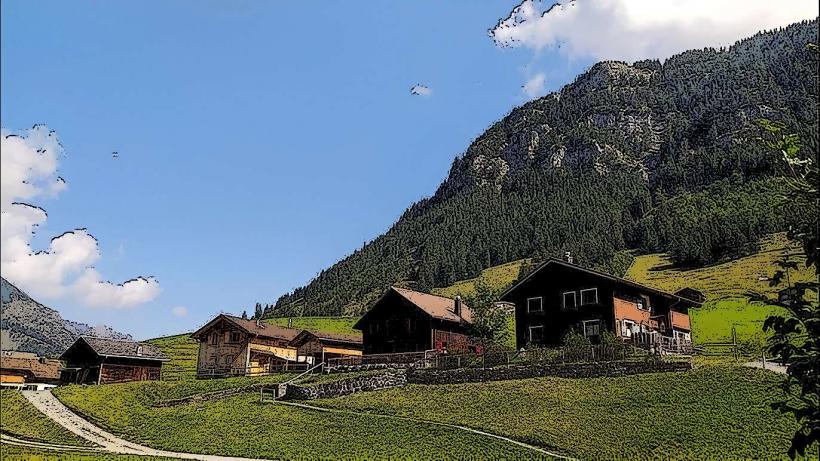
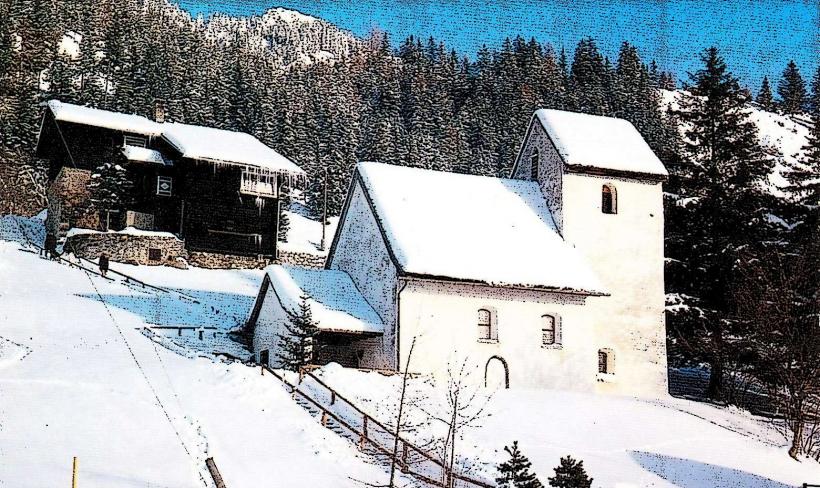
Triesenberg serves as the primary alpine municipality of Liechtenstein and is the highest-altitude village in the country. Situated on a scenic terrace overlooking the Rhine Valley, it is geographically characterized by its steep elevation gains, ranging from the village center at 884 meters to the mountain peaks exceeding 2,000 meters.
Historical Timeline
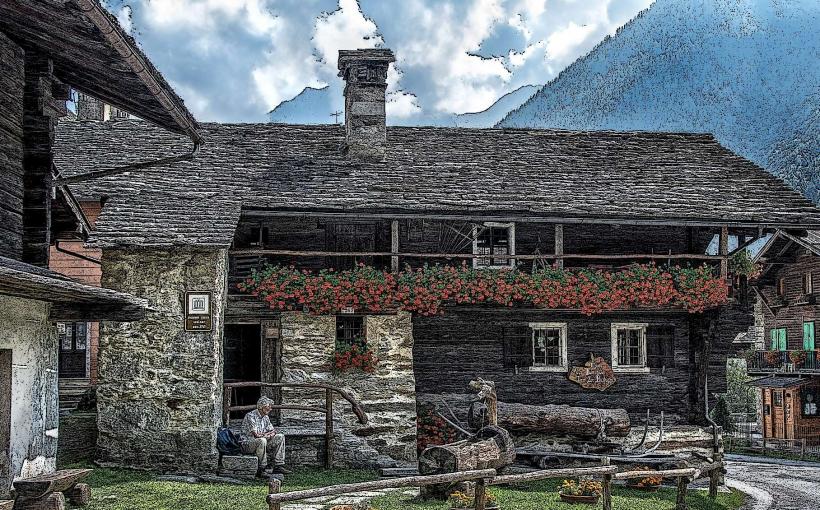
Triesenberg was founded in the late 13th and early 14th centuries by Walser settlers-migrants from the Valais region of Switzerland who were granted the right to settle the high-altitude lands by the local lords. Significant eras include the long period of communal alpine farming (14th–19th centuries) and the 20th-century development of Steg and Malbun into premier tourism hubs. The primary event shaping the current urban form was the structural shift in the mid-20th century from subsistence mountain farming to a service-oriented economy centered on winter sports and mountain tourism.
Demographics & Population
The population is approximately 2,650. Unlike the valley municipalities, Triesenberg retains a distinct cultural identity rooted in its Walser heritage, most notably preserved in the local Walser German dialect, which differs significantly from the Alemannic dialect spoken in the Rhine Valley. The demographic is predominantly Liechtensteiner (approx. 75%), with Swiss and Austrian minorities.
Urban Layout & Key Districts
The municipality is decentralized, consisting of several geographically separated settlements:
Dorfzentrum (Village Center): The administrative and cultural heart, containing the church and the Walser Museum.
Steg: A high-altitude settlement (1,312m) located in a mountain valley, serving as a gateway to cross-country skiing and hiking.
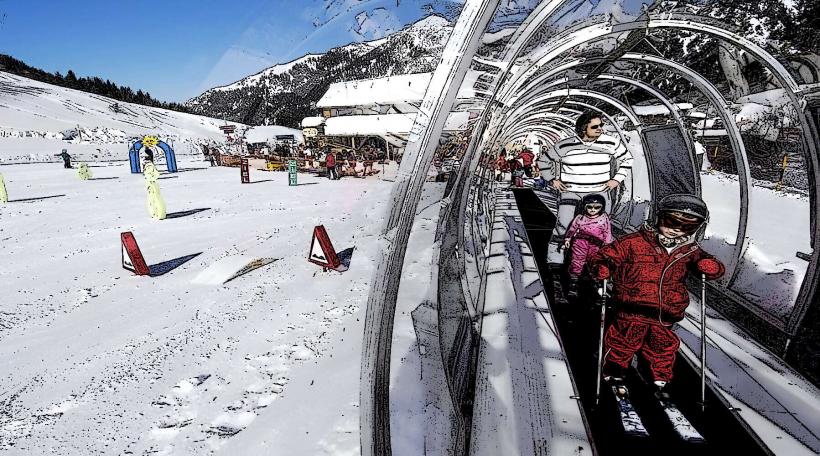
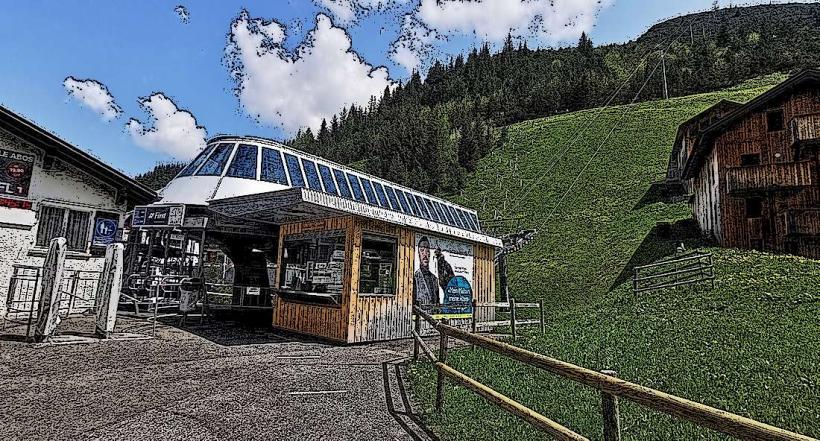
Malbun: Liechtenstein’s primary alpine resort (1,600m), located at the end of the main mountain road.
Masescha & Gaflei: Elevated hamlets known for panoramic views and the starting point for the Fürstensteig trail.
Top City Landmarks
Walser Museum (Walsermuseum): Details the history, culture, and unique dialect of the original settlers.
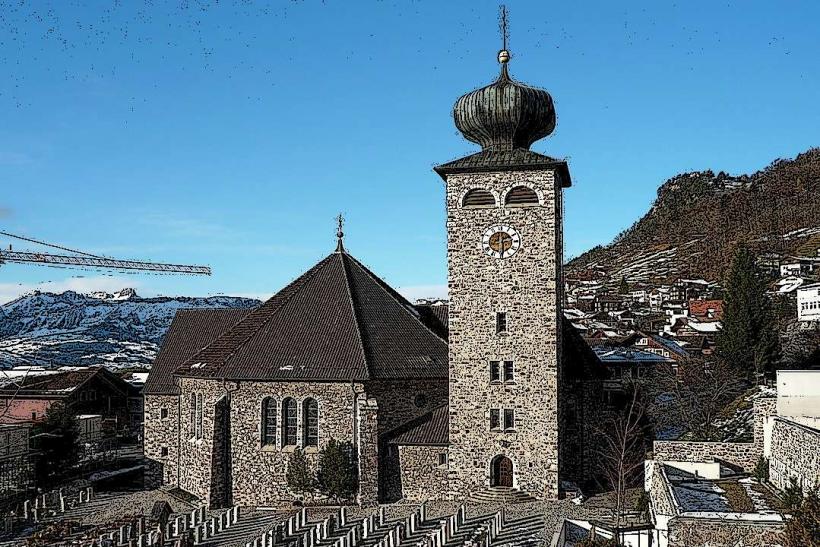
St. Joseph’s Parish Church: Notable for its distinctive onion dome and position overlooking the valley.
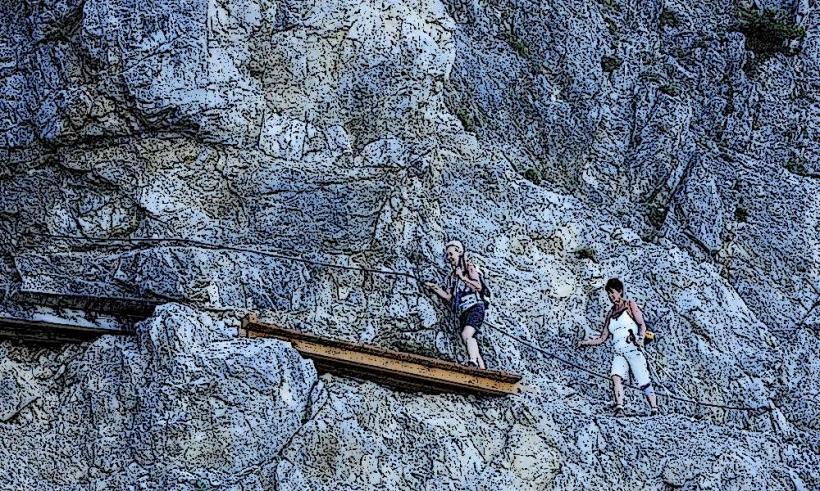
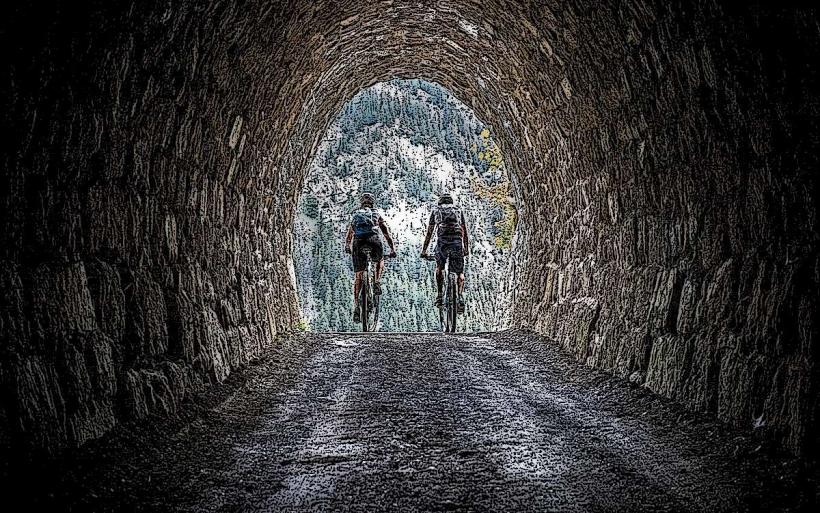
The Fürstensteig: A famous and challenging hiking trail carved into the rock face.
Sücka: A historic mountain inn and alpine pasture known for traditional cheese production and sledding.
Transportation Network
Transit is provided by LIEmobil (Line 21), which connects Vaduz to Triesenberg, Steg, and Malbun. The route is characterized by numerous hairpin turns and steep gradients; specialized buses with mountain gearing and brakes are utilized. There is no rail access. Private vehicle use is common, and winter tires/snow chains are legally required during snowy conditions on the mountain pass. Traffic density is moderate but increases significantly during the ski season and on weekends.
Safety & "Red Zones"
Triesenberg is exceptionally safe. Hazards are strictly environmental: alpine weather can shift rapidly, and "red zones" refer to areas with high avalanche or rockfall risk during specific weather events. Visitors must strictly adhere to marked trails and seasonal closures. There are no social "no-go" zones.
Digital & Financial Infrastructure
Internet speeds average 160 Mbps, with satellite and fiber-optic links serving even the higher-altitude resorts. Major mobile carriers include FL1 and Swisscom. Card acceptance is universal in the village center and Malbun hotels. ATMs are available in the village center (Liechtensteinische Landesbank). The official currency is the Swiss Franc (CHF).
Climate & Air Quality
The climate is alpine. Temperatures in January range from -7°C to 0°C, and in July from 10°C to 20°C. Snow cover is typically present from December through March. Air quality is pristine. The municipality is frequently above the "Nebeldecke" (fog layer) that often settles in the Rhine Valley during autumn and winter, offering sunny conditions while the valley remains overcast.
Culture & Social Norms
The local culture is defined by its Walser roots. Punctuality is essential. Tipping (5–10%) is appreciated in restaurants but not mandatory. When hiking, it is customary to greet others with "Grüass-Gott" or "Hoi." Silence is expected in residential areas after 22:00.
Accommodation Zones
Stay in Malbun: Recommended for skiers, snowboarders, and families seeking a mountain resort atmosphere.
Stay in the Village Center: Recommended for central access to the museum, transport links, and valley views.
Stay in Steg: Recommended for those seeking a quiet, rustic mountain experience near cross-country trails.
Local Cost Index
1 Espresso: 5.20 CHF ($5.70)
1 Standard Lunch: 28.00–40.00 CHF ($31.00–$44.00)
1 Bus Ticket (Vaduz to Triesenberg): 4.00 CHF ($4.40)
Nearby Day Trips
Vaduz: 6 km (10-minute descent by bus/car).
Gaflei: Starting point for the Three Sisters (Drei Schwestern) mountain hike.
Sargans (Switzerland): 15 km; the nearest major Swiss rail junction.
Facts & Legends
A verified historical oddity is the "Walser Privilege," medieval tax and legal exemptions granted to settlers in exchange for colonizing and defending the high-altitude frontiers. Local legend features the "Nachtvolk" (People of the Night), ghostly processions said to march through the village on certain nights; according to lore, anyone who spoke to them or blocked their path would be taken away or cursed.