Information
City: TurkuCountry: Finland
Continent: Europe
Turku, Finland, Europe
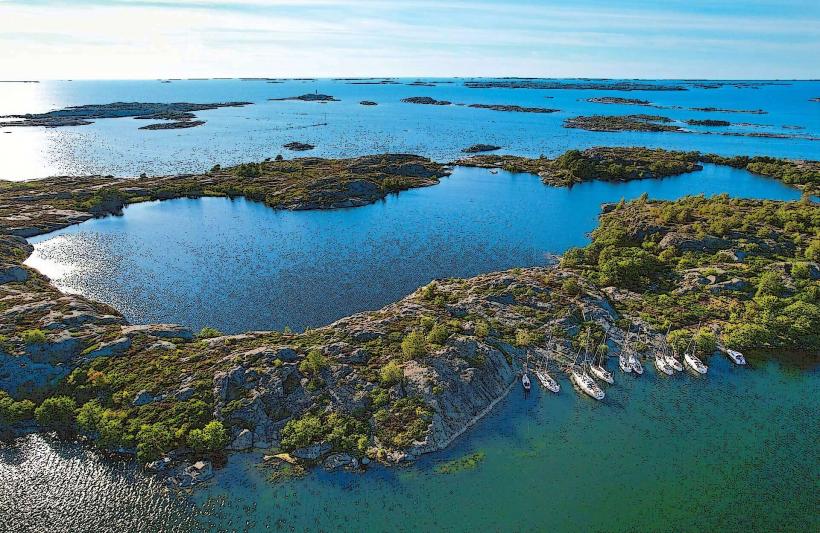
Turku serves as the oldest city in Finland and the administrative center of the Southwest region. It functions as the nation's "Food Capital" and a strategic maritime gateway to the Baltic, characterized by its medieval layout, vibrant riverfront social scene, and a massive archipelago of over 40,000 islands.
Historical Timeline
Founded in 1229, Turku served as the capital of Finland during the Swedish era until 1812. The primary event shaping its modern architecture was the Great Fire of 1827, which destroyed 75% of the city. Following the fire, the capital was moved to Helsinki, and Turku was rebuilt with a neoclassic grid system. In 2029, the city will celebrate its 800th anniversary, coinciding with its target to become carbon neutral.
Demographics & Population
The population is approximately 205,000 (2026 estimate), with over 330,000 in the urban area. The demographic is highly academic; approximately 25% of residents are students or higher education professionals, supported by three universities (including the Swedish-language Åbo Akademi). Roughly 5.5% of the population is Swedish-speaking, maintaining the city's officially bilingual status.
Urban Layout & Key Districts
The city is organized around the Aura River, which serves as the central artery for social and cultural life.
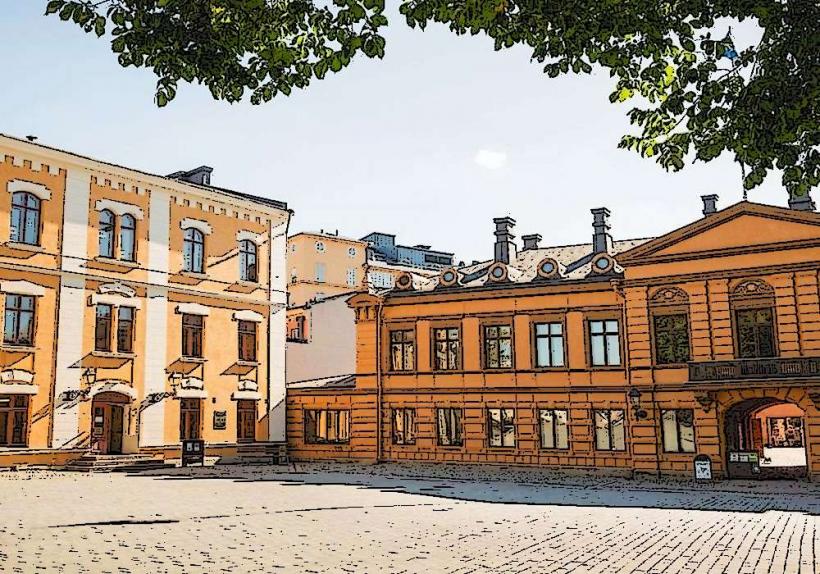
Old Great Square (Vanha Suurtori): The historic medieval center, site of the annual Declaration of Christmas Peace.
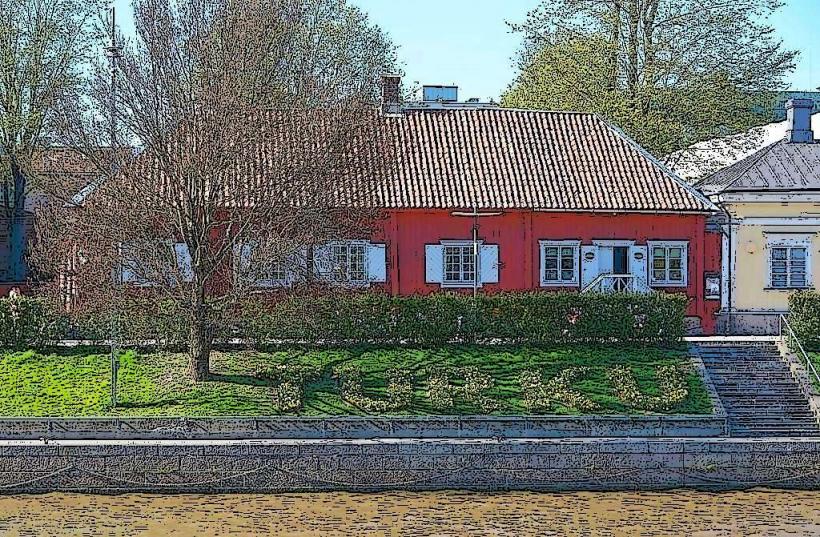
The Riverfront (Jokivarsi): Lined with historic museum ships, riverboat restaurants, and pedestrian paths.
Kupittaa: The "Silicon Valley" of Turku, a hub for life sciences, biotechnology, and the university hospital.
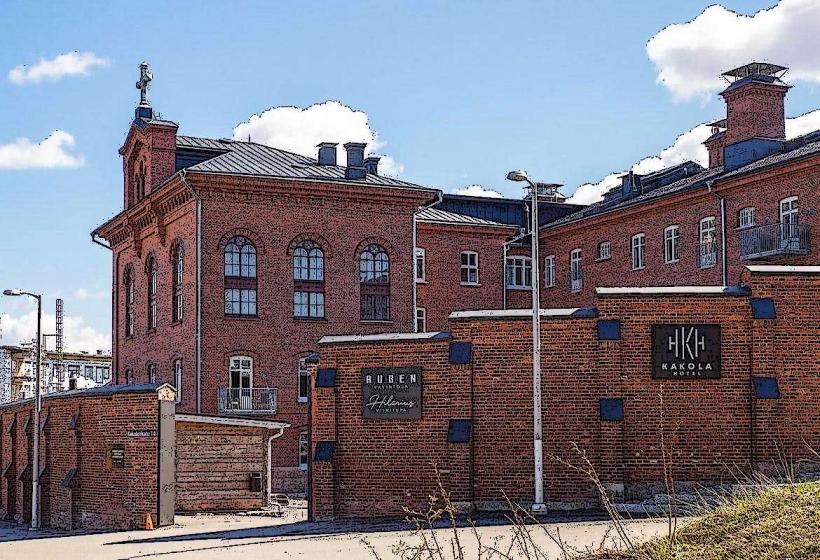
Kakolanmäki: A former prison hill transformed into a trendy residential district with a spa, brewery, and funicular.
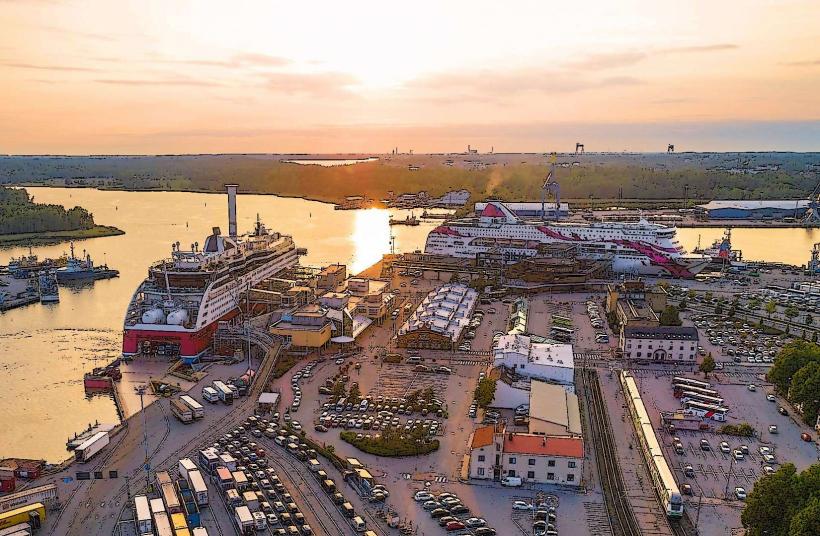
Port of Turku: The western maritime district, providing daily connections to Stockholm and Åland.
Top City Landmarks
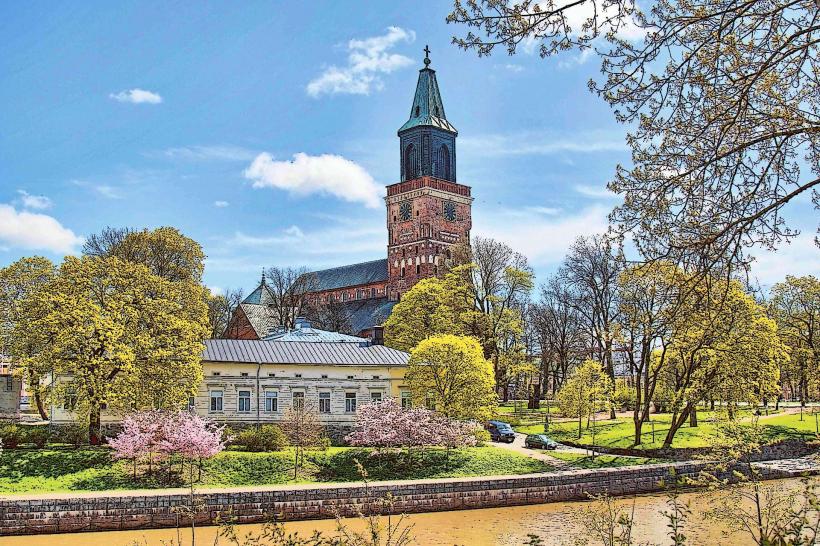
Turku Cathedral (Turun tuomiokirkko): The national shrine of Finland, consecrated in 1300.
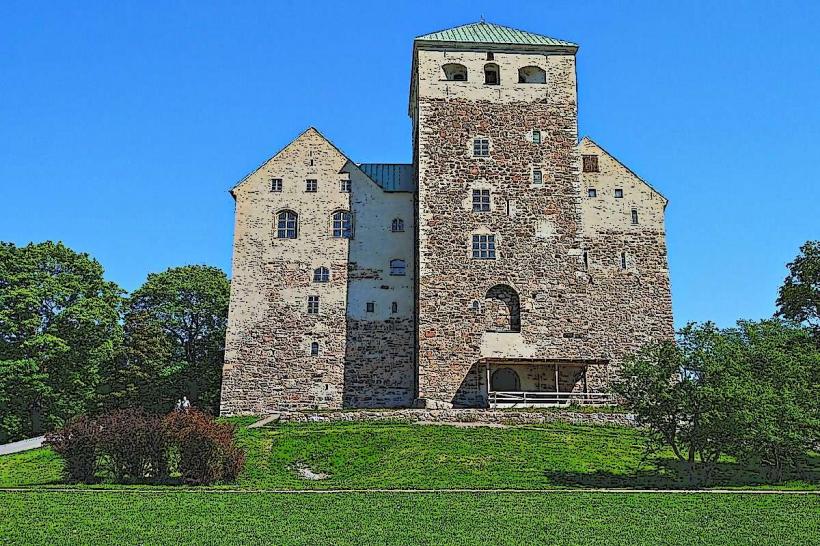
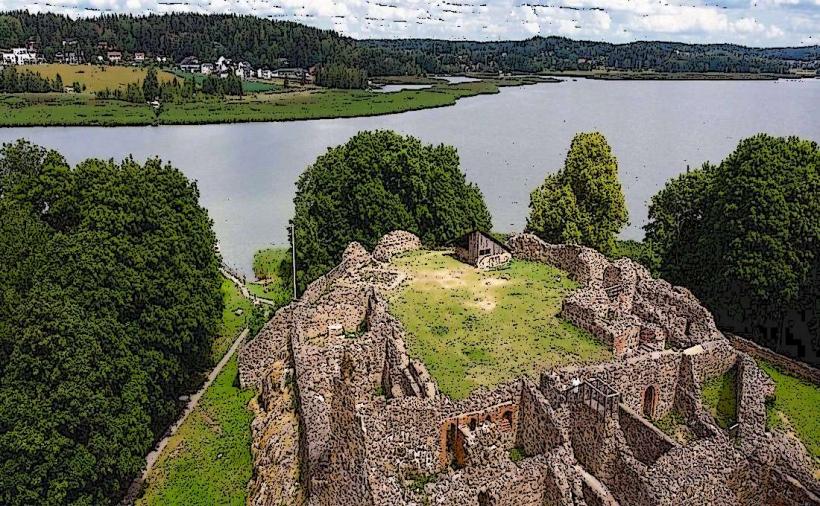
Turku Castle (Turun linna): A 13th-century fortress that has served as a defensive bastion, royal palace, and prison.
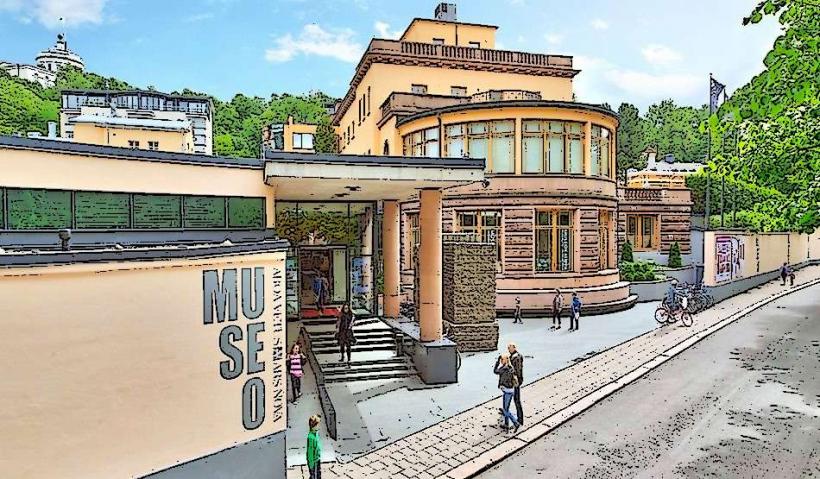
Aboa Vetus Ars Nova: A unique museum combining medieval ruins excavated in situ with contemporary art.
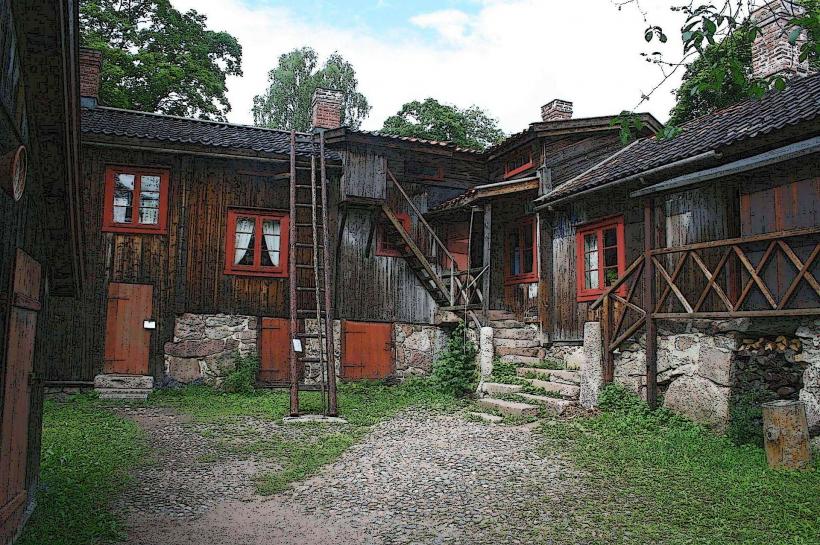
Luostarinmäki: The only wooden residential area to survive the 1827 fire, now an open-air museum of pre-industrial crafts.
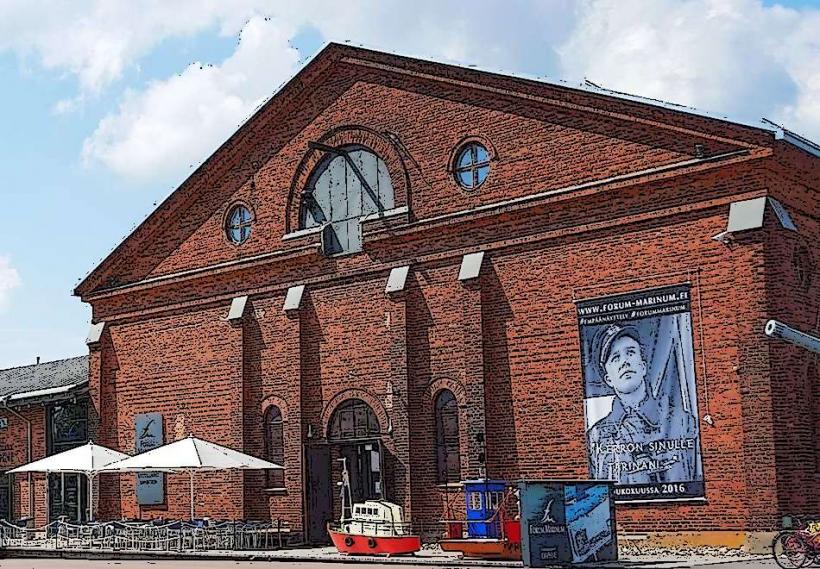
Forum Marinum: A national maritime center featuring a fleet of museum ships, including the wooden frigate Suomen Joutsen.
Market Hall (Kauppahalli): A 19th-century brick hall serving local delicacies like raisin sausage and saaristolaisleipä (archipelago bread).
Transportation Network
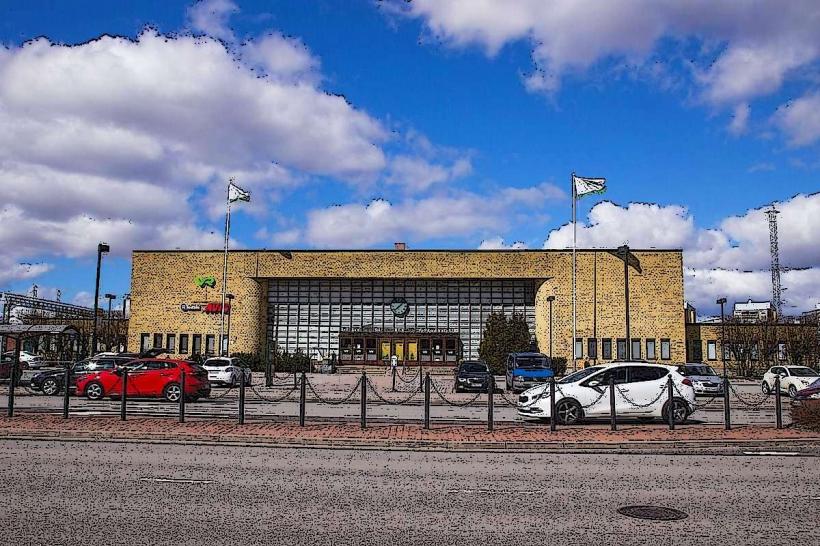
Movement is managed by Föli, a highly integrated regional transit system using yellow buses and a river ferry (Föri) that crosses the Aura River free of charge. Air travel is serviced by Turku Airport (TKU), located 8 km north. The city is a major terminal for Viking Line and Tallink Silja ferries. Rail connections via VR link Turku to Helsinki (approx. 2 hours) and Tampere. In summer, the Archipelago Trail provides a circular route for cyclists and motorists through the islands.
Safety & "Red Zones"
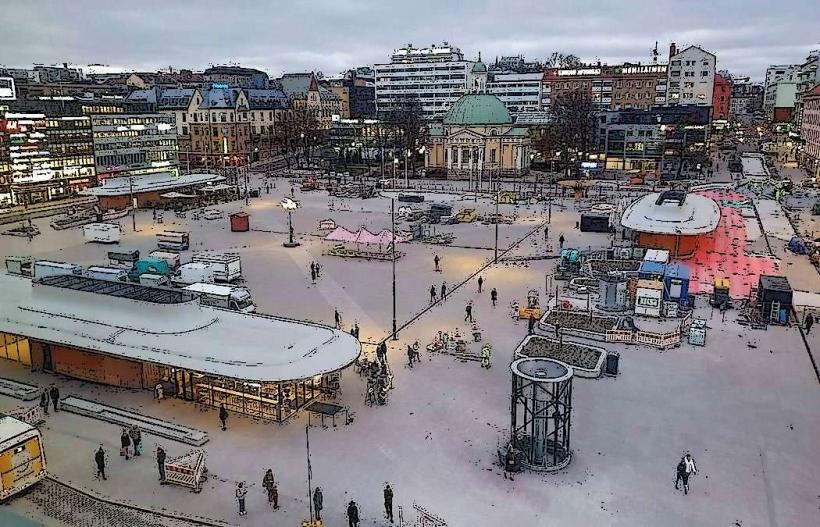
The safety level is high. There are no "no-go zones." National statistics occasionally show higher-than-average reported crime rates due to the dense nightlife concentration in the city center, particularly around Kauppatori and the riverboats late on weekends. Standard urban awareness is sufficient.
Digital & Financial Infrastructure
Average internet speed is 500–1000 Mbps. Turku is a leader in circular economy and digital health tech. The city is entirely cashless. Mobile payments (MobilePay) and cards are universal; cash is increasingly rejected in cafes, bars, and public transport (Föli tickets are best purchased via app).
Climate & Air Quality
Temperatures range from -5°C in winter to 21°C in summer. Due to its coastal location, Turku is often windier and slightly milder than inland Finland, but it is prone to winter "slush" (lörtsö). Air quality is pristine.
Culture & Social Norms
Tipping is not expected. The culture is defined by a "rivalry" with Helsinki and a deep pride in being Finland’s "original" city. Turku is the Food Capital of Finland, hosting some of the country’s most acclaimed restaurants (e.g., Kaskis). Respect for the Aura River as a shared public space is a core social norm.
Accommodation Zones
Stay in the City Center (Keskusta) for proximity to the Market Square and riverfront.
Stay in Kakolanmäki for a unique boutique experience in the converted prison district.
Stay near Kupittaa for business and proximity to the science parks.
Local Cost Index
1 Espresso: 3.50 – 4.50 €
1 Lunch (Lounas): 12.50 – 15.50 €
1 Pint of Craft Beer: 9.00 – 13.00 €
1 Single Föli Bus Ticket: 3.00 €
Nearby Day Trips
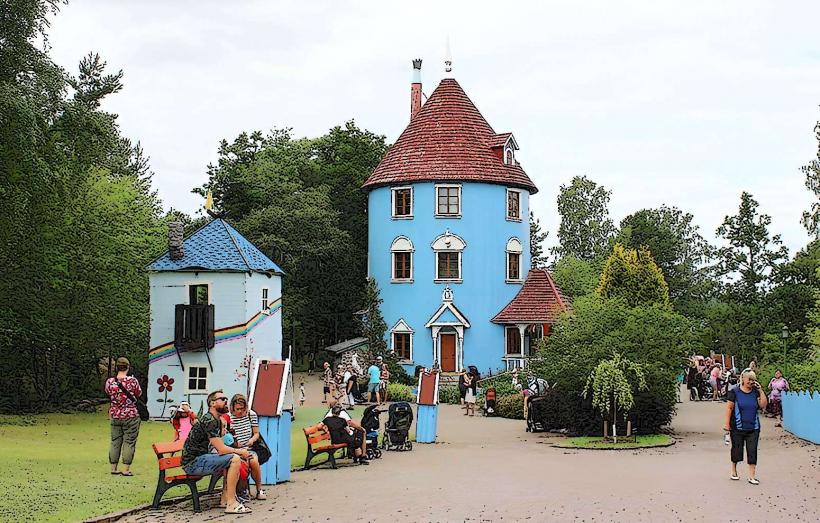
Naantali: 15 km (20 minutes) – A picturesque wooden town, summer home of the President, and home to Moominworld.
The Archipelago Sea: Accessible via the "water bus" from the Aura River to Ruissalo or Vepsä islands.
Kurjenrahka National Park: 35 km – For hiking through primeval mire landscapes.
Facts & Legends
Local legend says the "Turku Disease" (Turun tauti) refers to the controversial demolition of historic buildings during the 1960s urbanization. A verified historical fact is that Turku has the world’s only bicycle funicular and a public transport system (Föri) that has been crossing the same 78-meter stretch of river since 1904.