Information
Country: FinlandContinent: Europe
Finland, Europe
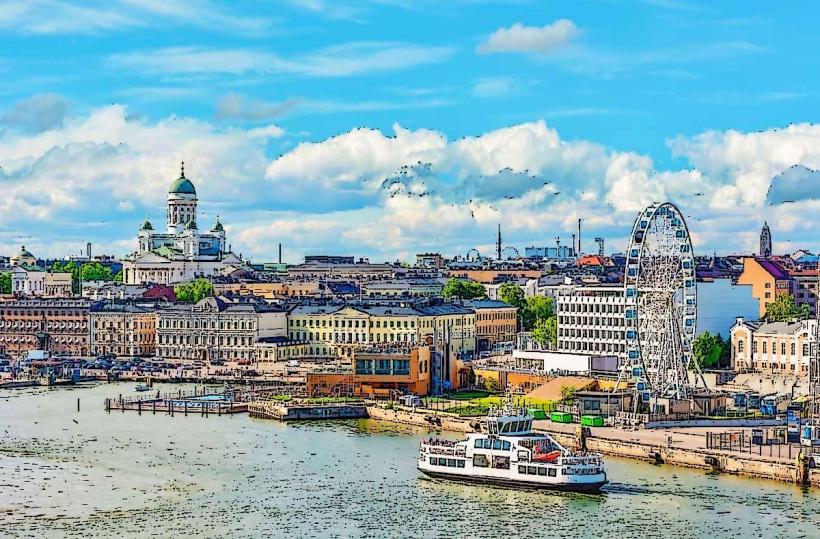
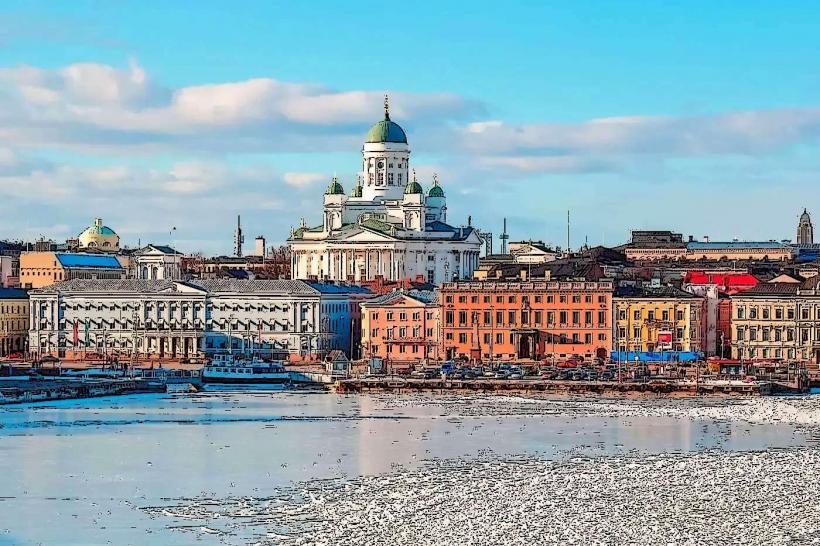
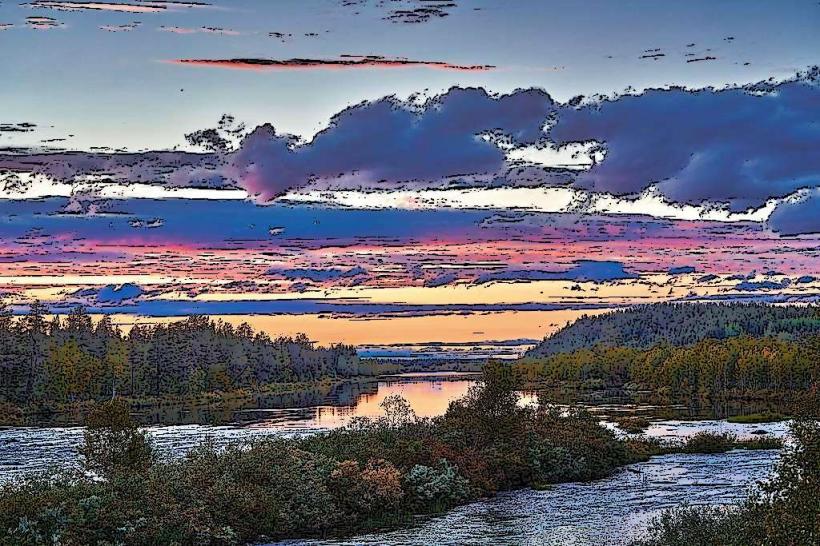
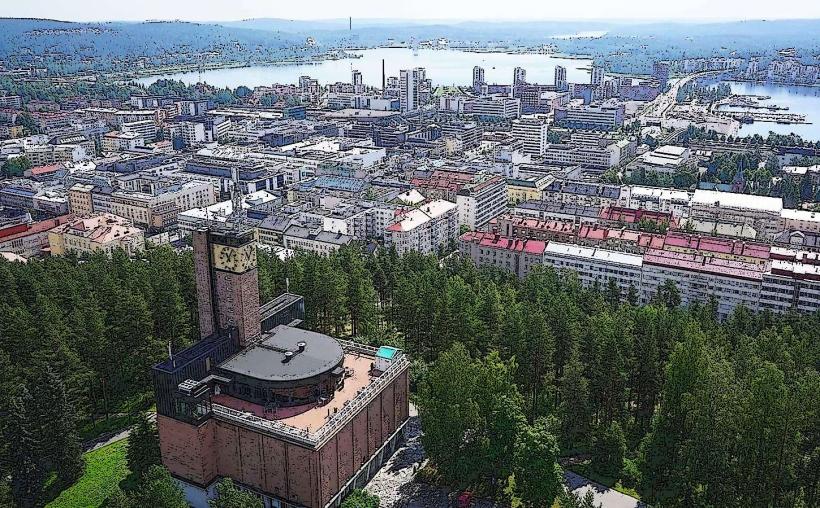
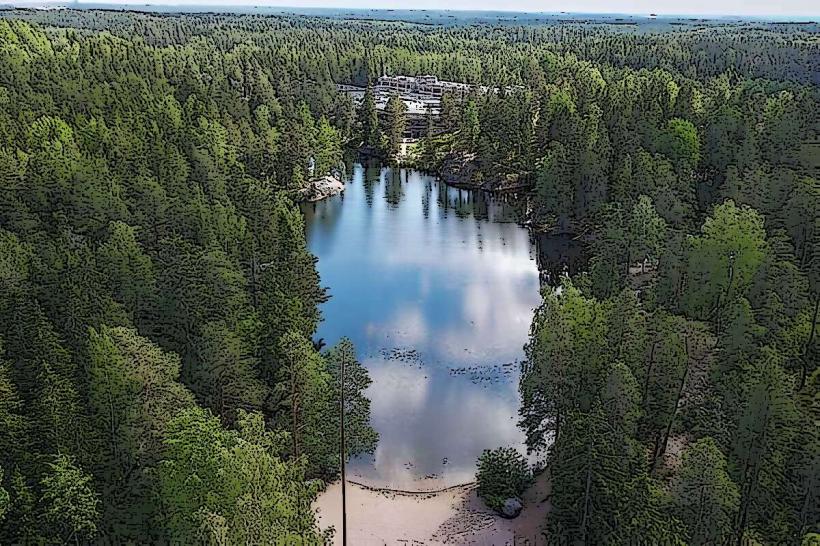
Finland is located in Northern Europe, bordering Sweden to the west, Norway to the north, and Russia to the east, with Estonia situated to the south across the Gulf of Finland. The geography is characterized by a low-lying glaciated plateau containing approximately 188,000 lakes and 75% forest cover; the capital city is Helsinki.
Visa & Entry Policy
Finland is a member of the Schengen Area. Citizens of the US, UK, and EU do not require a visa for stays up to 90 days within a 180-day period. Starting in 2026, non-EU visa-exempt travelers must obtain an ETIAS (European Travel Information and Authorisation System) prior to arrival. Passports must be valid for at least three months beyond the intended departure date. In January 2026, Finland implemented stricter residence requirements, increasing the continuous residency period for permanent permits from four to six years.
Language & Communication
The official languages are Finnish and Swedish. English proficiency is among the highest globally, with approximately 70-80% of the population being fluent, particularly in urban centers and among the youth. Northern regions recognize Sámi as an official minority language. Communication style is direct, valuing silence and technical precision over small talk.
Currency & Payment Systems
The currency is the Euro (EUR). Finland is a highly digitized society where card payments and mobile solutions (MobilePay) are the default. Cash usage is dwindling and is primarily reserved for small transactions in remote areas or traditional markets. Most public transport and retail outlets in Helsinki are increasingly "cash-free." ATMs (Otto) are widely available in towns.
National Transport Grid
Intercity travel is primarily served by VR (Finnish Railways), featuring high-speed "Pendolino" and "InterCity" trains connecting Helsinki to northern hubs like Oulu and Rovaniemi. An extensive long-distance bus network (Matkahuolto and OnniBus) services areas without rail access. Due to the country's north-south length, domestic flights (Finnair and Norwegian) are standard for travel to Lapland.
Digital Infrastructure
Primary mobile network providers are Elisa, Telia, and DNA. 5G coverage is nearly universal in populated areas and along major transit corridors as of 2026. Finland is a global leader in mobile technology, with fiber-optic broadband reaching most households and a national 6G development roadmap already in progress for the 2030s.
Climate & Seasonality
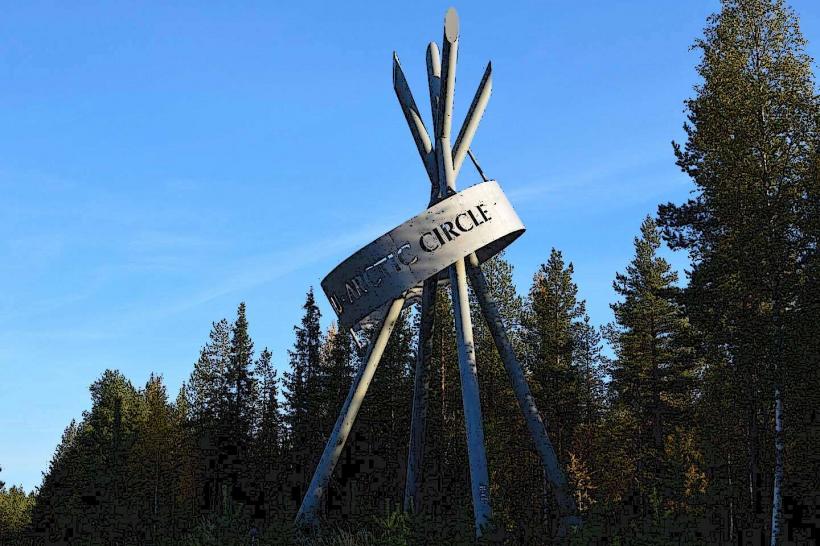
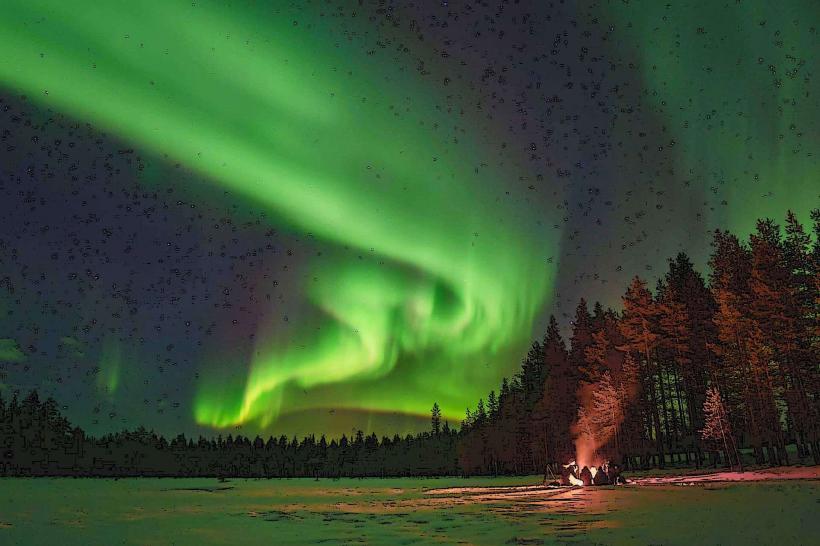
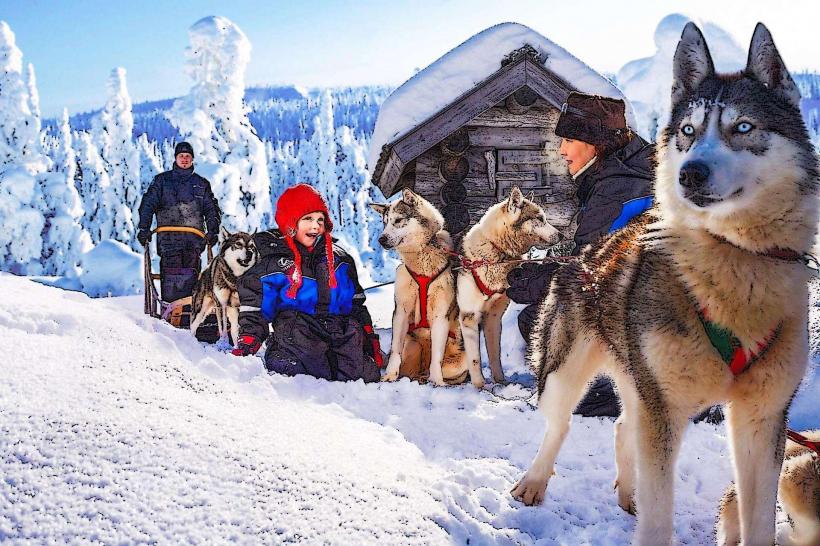
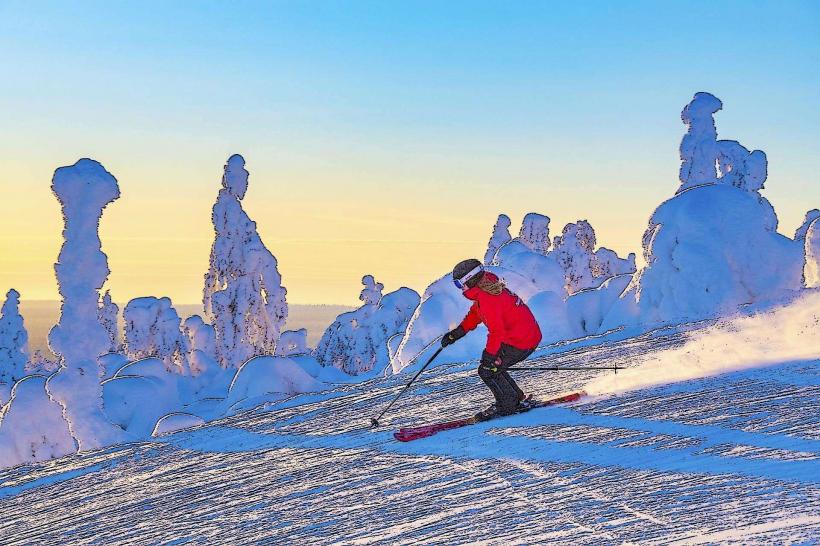
The climate is temperate continental/subarctic. Winters (October–May in the north) are long, cold, and dark, featuring the "Polar Night" (Kaamos) above the Arctic Circle. Summers (June–August) are mild with "Midnight Sun" conditions. January and February are the coldest months, while July is the warmest. Snow cover is permanent for 3–4 months in the south and up to 7 months in Lapland.
Health & Safety
No mandatory vaccinations are required. Tap water is of exceptional quality and safe to drink everywhere. Environmental risks include tick-borne encephalitis (TBE) in coastal and archipelago regions and wildlife-vehicle collisions (moose and reindeer). The universal emergency number for Police, Ambulance, and Fire is 112.
Top 3 Major Regions & Cities
Uusimaa: Primary hub is Helsinki (including Espoo and Vantaa).
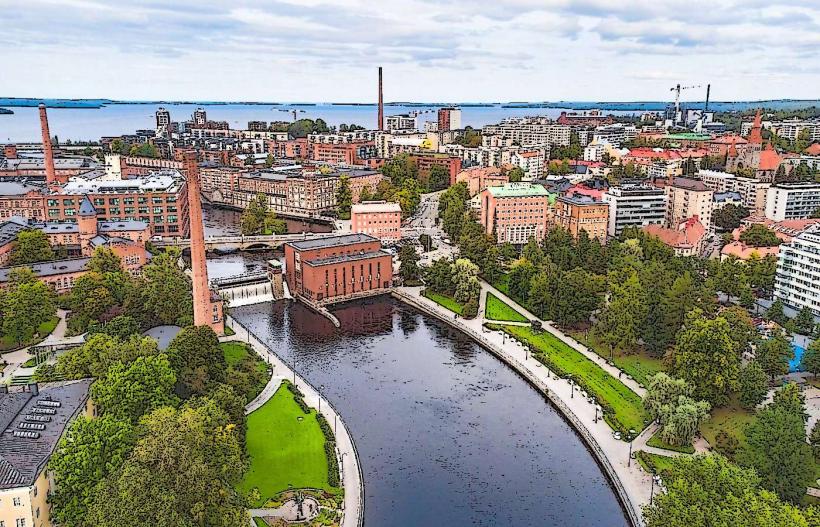
Pirkanmaa: Primary hub is Tampere.
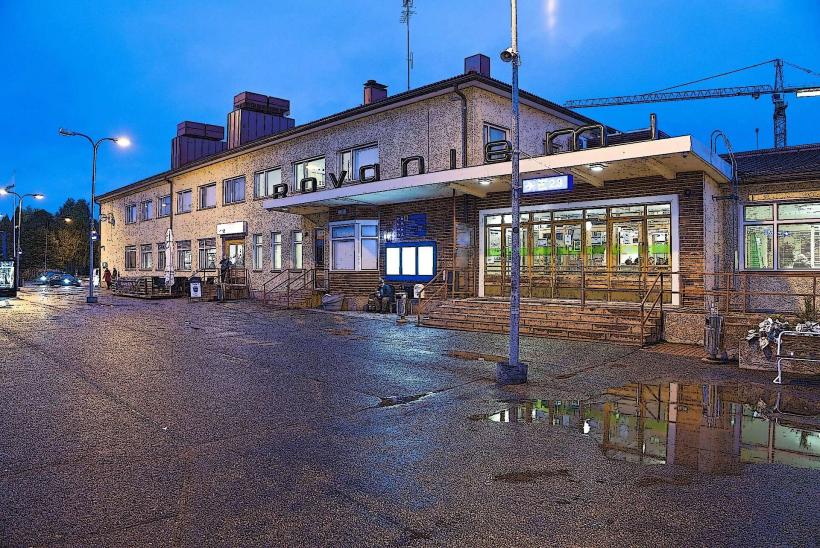
Lapland: Primary hub is Rovaniemi.
Local Cost Index
1L Water: €1.50 ($1.65 USD) - Note: tap water is standard.
1 Domestic Beer: €6.50 ($7.15 USD)
1 Sim Card (Prepaid Data): €20.00 ($22.00 USD)
Facts & Legends
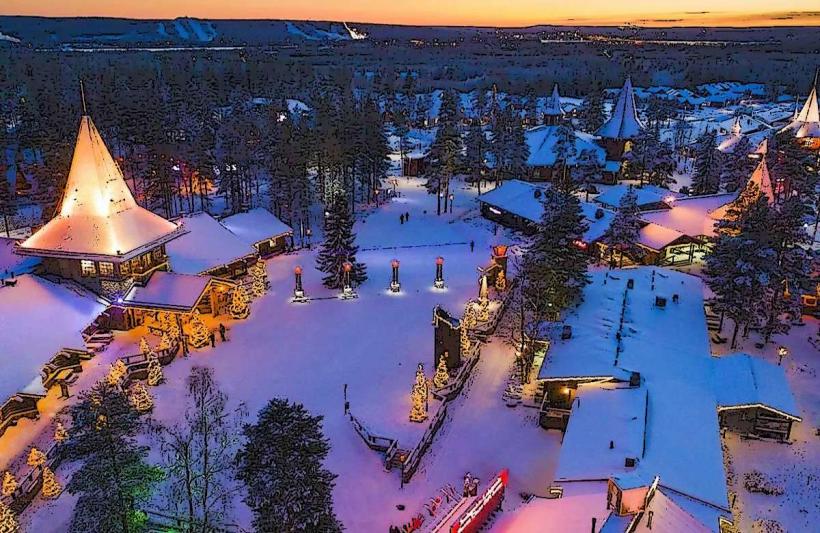
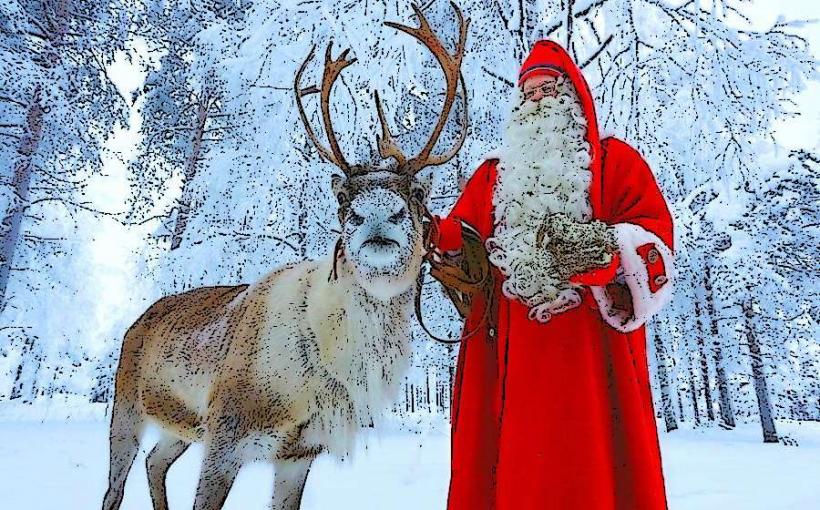
Finland is home to the world’s highest coffee consumption per capita, with the average citizen consuming 12 kg annually. According to folklore, the Kalevala-the national epic-details the creation of the world from a duck's egg and the magical "Sampo" mill that brings eternal wealth. Historically, Finland was the first European country to grant women full political rights (vote and run for office) in 1906. Rovaniemi is officially recognized as the "official hometown" of Santa Claus.