Information
City: HelsinkiCountry: Finland
Continent: Europe
Helsinki, Finland, Europe
Helsinki serves as the capital of Finland and the nation’s political, educational, and financial hub. It functions as a strategic bridge between Western and Eastern Europe, characterized by its functionalist architecture, high-tech maritime industry, and a "Pocket Metropolis" layout where urban density immediately gives way to sea and forest.
Historical Timeline
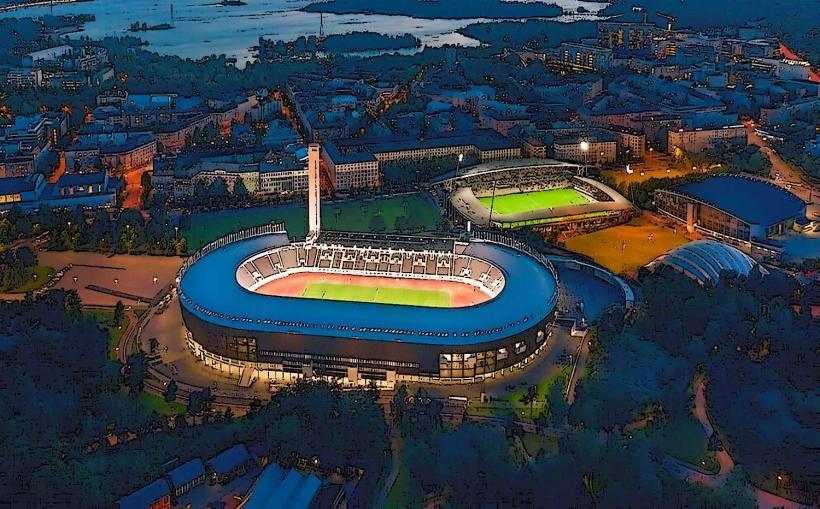
Founded in 1550 by King Gustav I of Sweden, the city remained a minor town until 1812, when Russia moved the capital of the Grand Duchy of Finland from Turku to Helsinki. The primary event shaping its modern identity was the 1952 Summer Olympics, which modernized the city's infrastructure and opened it to the world. In the 21st century, Helsinki has emerged as a global leader in Service Design and digital governance.
Demographics & Population
The population is approximately 675,000 in the municipality and 1.6 million in the Greater Helsinki region (2026 estimate). The demographic is highly educated and increasingly international, with approximately 17% of residents speaking a native language other than Finnish or Swedish. Helsinki is officially bilingual.
Urban Layout & Key Districts
Helsinki is a peninsula city surrounded by an archipelago of 315 islands.
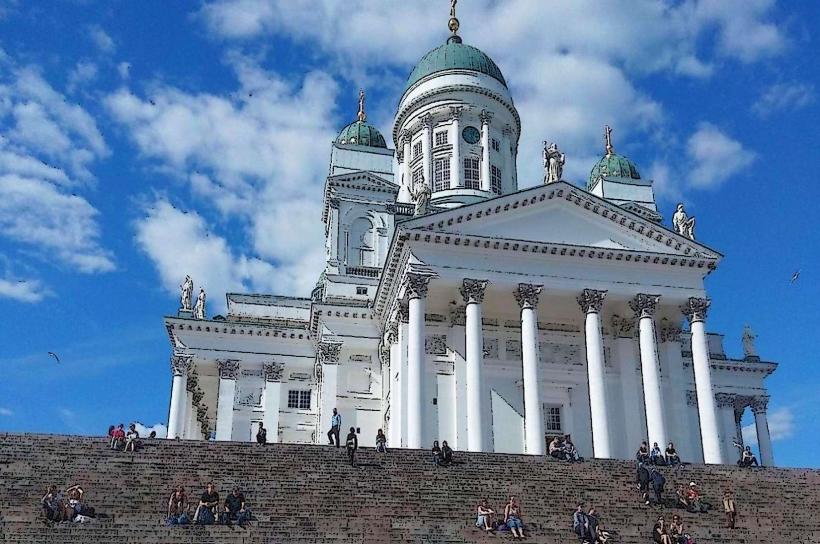
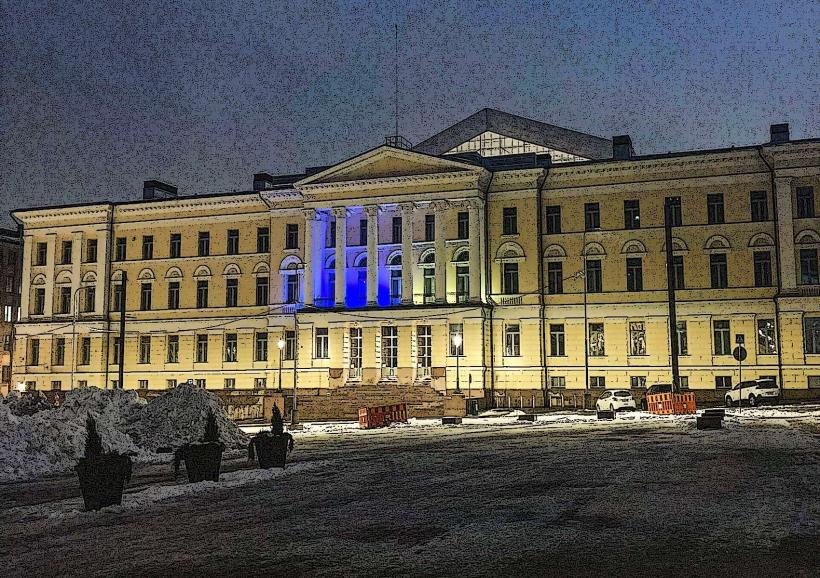
Kruununhaka: The historic institutional core featuring the Cathedral and University.
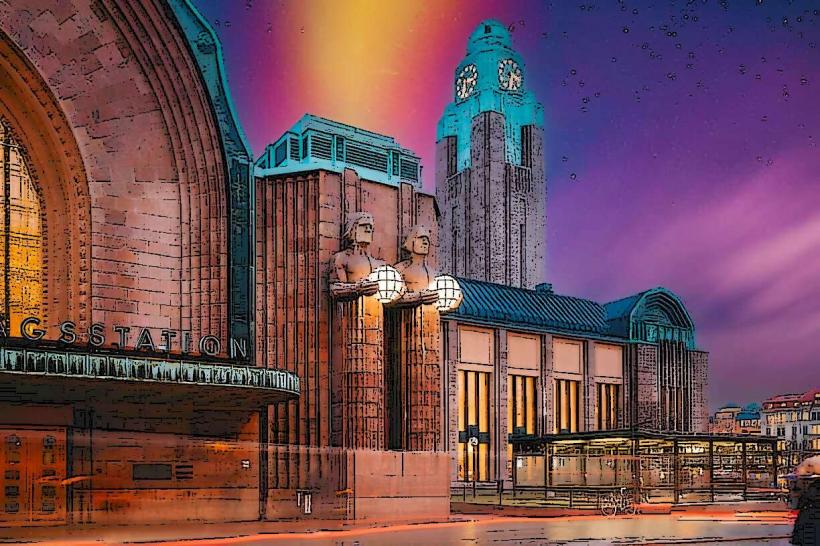
Kamppi & Kluuvi: The commercial heart, containing the central station and major shopping centers.
Punavuori & Ullanlinna (Design District): Known for art galleries, boutiques, and Jugendstil architecture.
Kallio: A former working-class district now serving as a bohemian hub for nightlife and student life.
Jätkäsaari & Kalasatama: New, experimental "Smart City" waterfront districts.
Top City Landmarks
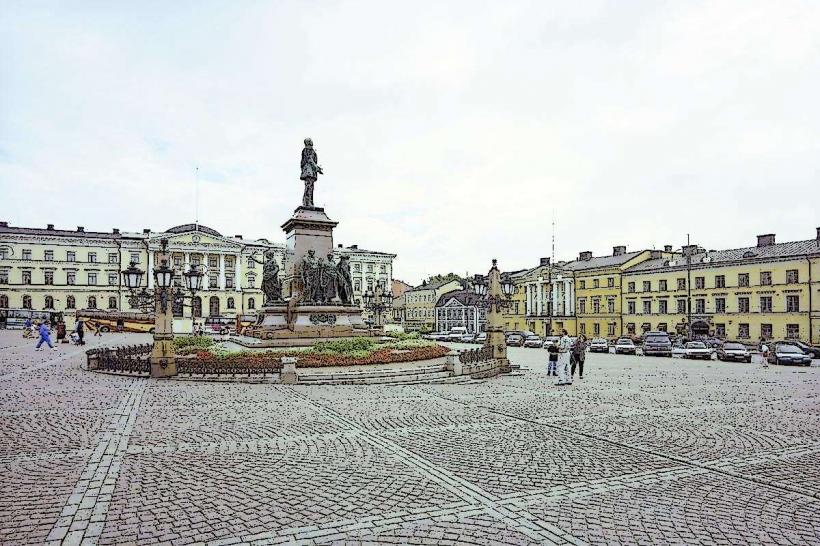
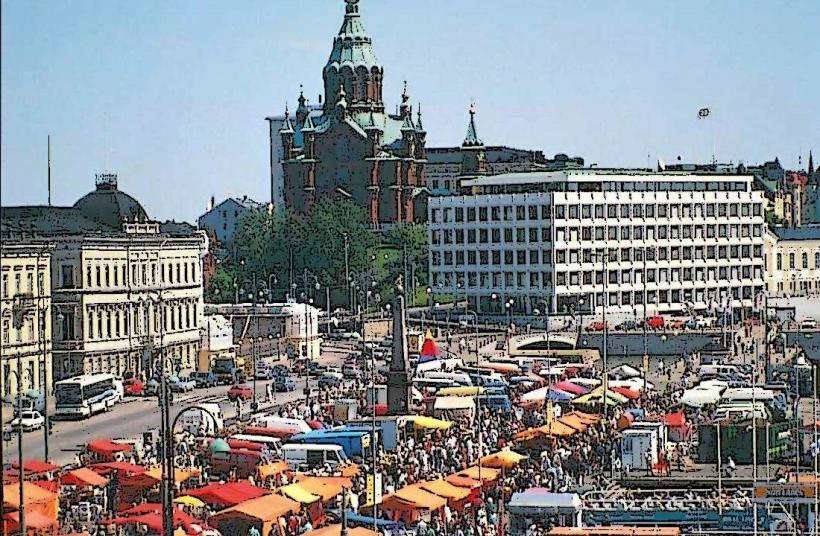
Helsinki Cathedral (Tuomiokirkko): The iconic white neoclassical landmark in Senate Square.
Oodi Central Library: A flagship of modern Finnish architecture and a "living room" for citizens.
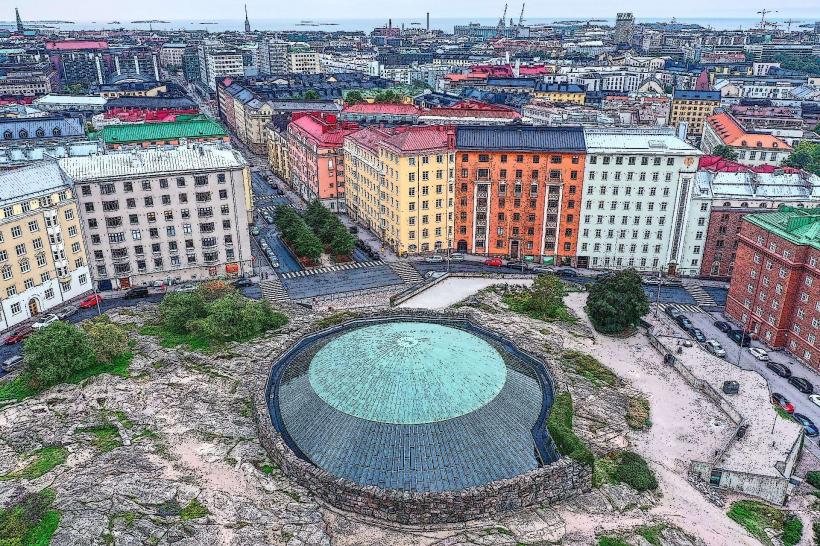
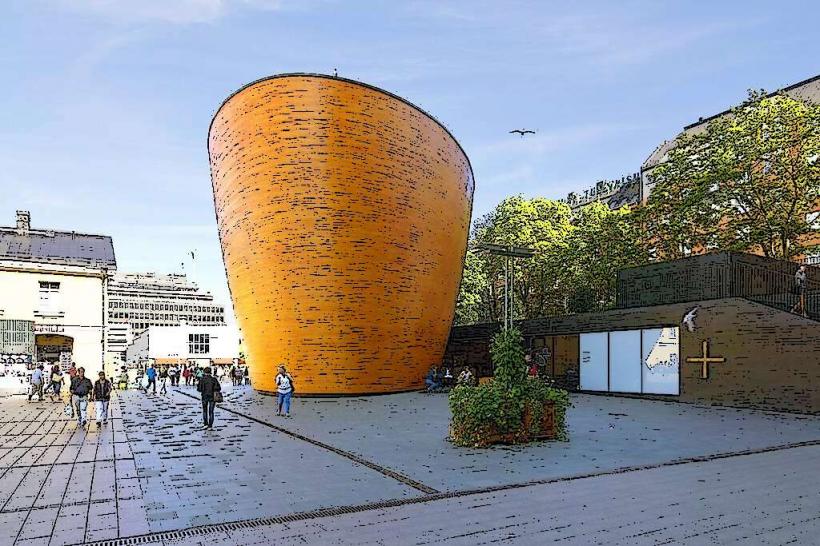
Temppeliaukio (Rock Church): A Lutheran church excavated directly into solid rock.
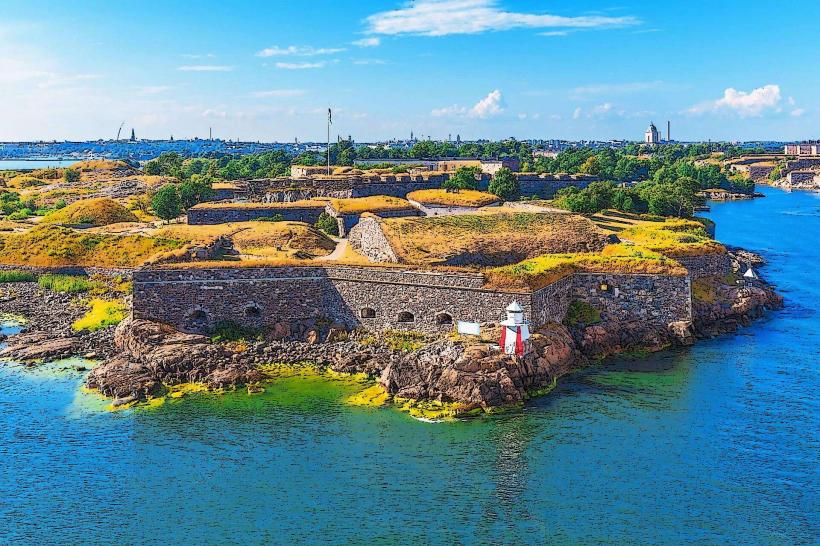
Suomenlinna Sea Fortress: A UNESCO World Heritage site across six islands, accessible by ferry.
Amos Rex: A contemporary art museum with futuristic, subterranean domes in Lasipalatsi.
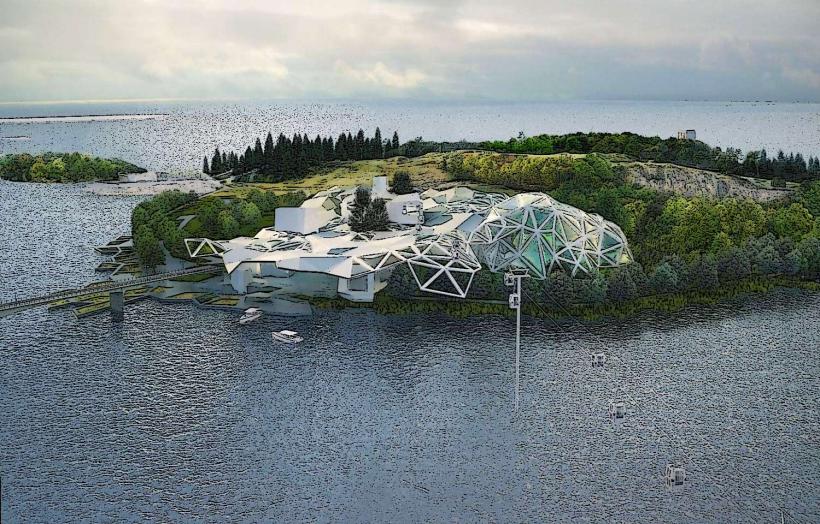
Löyly: A sustainable, architecturally striking public sauna and restaurant on the waterfront.
Transportation Network
Movement is managed by HSL. The system is highly integrated, consisting of the World’s Northernmost Metro, trams, buses, and municipal ferries. Air travel is serviced by Helsinki Airport (HEL), connected to the city via the P and I commuter trains (30 minutes). Helsinki is a pioneer in "Mobility as a Service" (MaaS), and the city is exceptionally walkable and bike-friendly.
Safety & "Red Zones"
The safety level is among the highest in the world. There are no "no-go zones." Standard urban awareness is advised around Rautatientori (Central Station) late at night, where localized loitering occurs. Environmental safety is the primary concern in winter; "black ice" and falling snow from roofs require vigilance.
Digital & Financial Infrastructure
Average internet speed is 500–1000 Mbps. Finland is the home of Nokia and a global 6G testbed. Helsinki is nearly 100% cashless. Most residents use debit/credit cards or mobile payments (MobilePay/Apple Pay). Cash is rarely used and sometimes not accepted in smaller boutiques or cafes.
Climate & Air Quality
Temperatures range from -5°C in winter to 21°C in summer. The "Baltic humidity" makes winter feel colder than the thermometer suggests. Air quality is consistently ranked among the cleanest in the world.
Culture & Social Norms
Tipping is not expected and not required; service is included in prices. The culture is defined by Sisu (resilience), Sauna (there are over 3 million in Finland), and a high regard for personal space. Silence in public transport is the social norm.
Accommodation Zones
Stay in Kluuvi/Kamppi for transit convenience and major museums.
Stay in Punavuori for a boutique, design-led atmosphere.
Stay in Katajanokka for quiet, sea-view residential charm near the ferry terminals.
Local Cost Index
1 Espresso: 3.50 – 5.00 €
1 Salmon Soup (Lohikeitto): 14.00 – 19.00 €
1 Pint of Local Beer: 8.50 – 12.00 €
1 Single Transit Ticket (AB Zone): 3.10 €
Nearby Day Trips
Tallinn, Estonia: 2 hours by ferry across the Gulf of Finland.
Porvoo: 50 km (1 hour by bus) – A medieval town with iconic red riverside warehouses.
Nuuksio National Park: 35 km (45 minutes) – For hiking and Finnish forest immersion.
Facts & Legends
Local tradition holds that the sauna is a sacred place where the "Löyly" (steam) represents the spirit of the heat. A verified historical fact is that Helsinki was the first city in the world to offer free, high-speed public Wi-Fi as a basic municipal service.