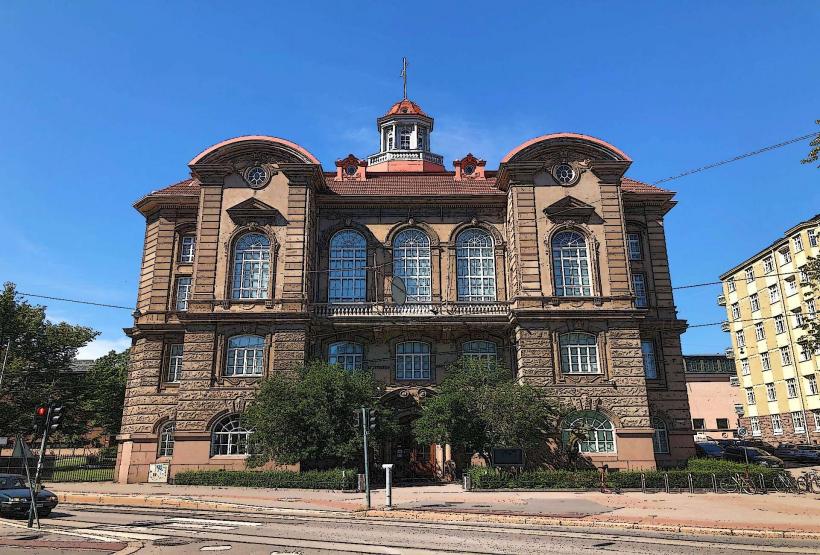
Information
Landmark: National Museum of FinlandCity: Helsinki
Country: Finland
Continent: Europe
National Museum of Finland, Helsinki, Finland, Europe
The National Museum of Finland (Suomen kansallismuseo) is one of the most important cultural institutions in Finland. It offers a comprehensive look at the country's history, from prehistoric times to the modern era, through its impressive collection of artifacts, exhibitions, and displays. Located in the center of Helsinki, the museum is an essential stop for anyone interested in Finnish history, culture, and heritage. Here are the key details about the National Museum of Finland:
Historical Background
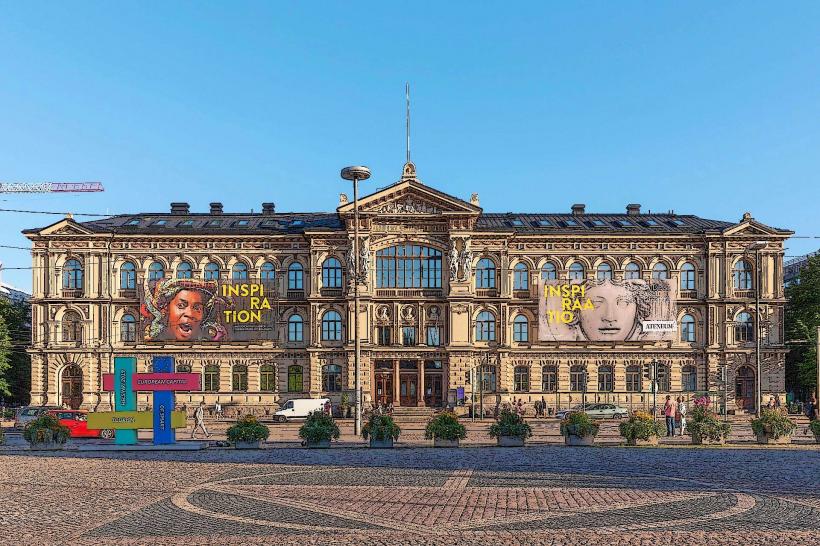
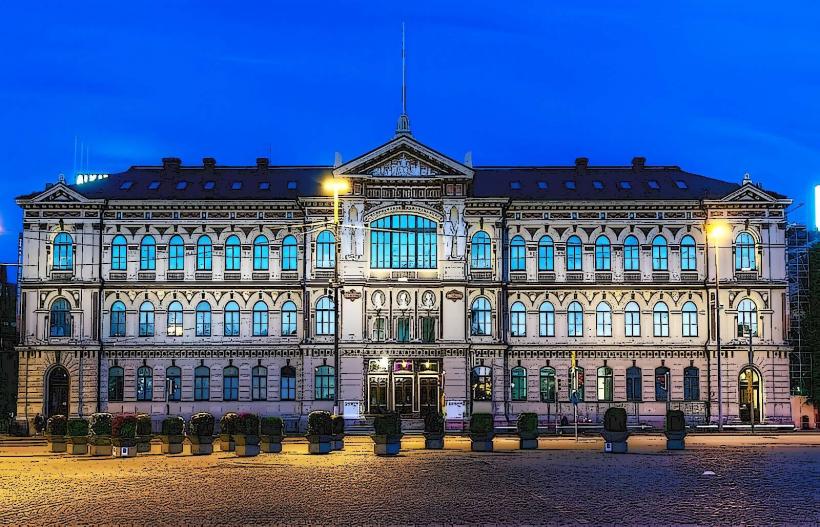
The National Museum of Finland was established in 1916 to preserve and exhibit Finland's national heritage. The museum is housed in a beautiful building designed by Gustav Nyström, which was completed in 1910. The design of the building itself is notable for its architectural style, which blends elements of medieval and early modern European architecture.
The museum's collections span various periods of Finnish history, from the prehistoric era to the present day, and it is one of the most visited museums in Finland. It aims to showcase the evolution of Finnish culture and identity, with an emphasis on the social, political, and cultural aspects of Finnish life.
Architecture of the Museum Building
The National Museum's building is an architectural gem, designed in a style known as National Romanticism, which is an early 20th-century movement that sought to express national identity through architecture. Some of the key architectural features include:
- Gothic Revival Elements: The museum’s façade is reminiscent of a medieval castle, with pointed arches, tall windows, and a striking tower. The central part of the building is crowned with a spire, giving it a castle-like appearance.
- Exterior Decorations: The museum's exterior features detailed stone carvings, including shields, national symbols, and motifs inspired by Finnish folk art and medieval design.
- Interior Design: Inside, the museum retains many elements of early 20th-century design, including vaulted ceilings, grand staircases, and decorative details that reflect Finland's historical and cultural heritage.
Collections and Exhibitions
The museum’s collections are divided into several permanent and temporary exhibitions, showcasing different aspects of Finland's history. The exhibits cover a wide range of topics, including archaeology, medieval history, the history of Finnish art, and the development of Finnish society.
Key Sections of the Museum:
Prehistoric Finland:
- This exhibition focuses on the early history of Finland, with artifacts dating back to the Stone Age, Bronze Age, and Iron Age. It includes tools, weapons, pottery, and other items that shed light on the lives of Finland's earliest inhabitants.
Medieval Finland:
- This section explores Finland's medieval period, including the influence of the Swedish and Russian empires on Finnish culture. Visitors can see medieval artifacts such as weapons, religious items, and coins, as well as learn about the Christianization of Finland and the formation of the early Finnish state.
The Swedish and Russian Periods:
- Finland was under Swedish rule from the 12th century until 1809, and then under Russian rule as a Grand Duchy from 1809 to 1917. This section highlights the impact of both of these empires on Finnish society, politics, and culture. Visitors can see documents, uniforms, and objects from this era that reflect Finland’s transition to independence.
Finland’s Independence and National Identity:
- This exhibition focuses on Finland’s journey toward independence in 1917 and the development of Finnish national identity. The collection includes items from the early years of Finnish independence, such as political documents, photographs, and personal belongings of key figures from the independence movement.
Finnish Art and Culture:
- The museum has a strong collection of Finnish art and folk culture, showcasing the evolution of Finnish visual arts, design, and folk traditions. Highlights include paintings, sculptures, and textiles that depict the country’s cultural heritage.
The Finnish National Dress:
- This exhibition is dedicated to the traditional Finnish national costumes, which are an important aspect of Finland’s cultural heritage. The display includes examples of both men’s and women’s costumes from different regions of Finland.
Special Exhibitions:
The museum regularly hosts temporary exhibitions that cover a wide variety of themes, including contemporary art, historical events, and Finnish cultural practices. These exhibitions often highlight aspects of Finnish history that are not covered in the permanent displays, providing deeper insights into the country's evolving culture.
Role in Finnish Society
The National Museum plays a crucial role in preserving and communicating Finland’s national heritage. It is both a research institution and a public museum, and it serves as a resource for scholars, students, and anyone interested in learning about Finnish history. The museum is a place where the cultural and historical identity of Finland is celebrated, making it a key institution in shaping national memory and understanding.
Visitor Experience
Visitors to the National Museum can explore its diverse collections through self-guided tours or by participating in the museum’s educational programs, which include lectures, workshops, and guided tours. The museum is designed to be accessible and engaging for visitors of all ages, with exhibitions that appeal to both history enthusiasts and families.
The museum also has a gift shop, where visitors can purchase books, souvenirs, and other items related to Finnish history and culture. Additionally, the museum’s café offers a relaxing space to enjoy Finnish food and beverages while taking in the museum’s surroundings.
Accessibility and Location
The National Museum of Finland is centrally located in Helsinki, making it easily accessible for both locals and tourists. It is situated near other cultural landmarks such as the Ateneum Art Museum and Kiasma Museum of Contemporary Art, which makes it part of a rich cultural area in Helsinki. The museum is well-served by public transportation, including trams and buses, and is within walking distance from Helsinki Central Station.
Conclusion
The National Museum of Finland is an essential cultural institution that offers an in-depth look at Finland’s rich and varied history. From prehistoric artifacts to contemporary exhibitions, the museum provides a comprehensive view of the country’s cultural heritage. Whether you are a history buff, art lover, or simply curious about Finnish culture, the museum offers a fascinating and educational experience for all visitors.