Information
City: JyvaskylaCountry: Finland
Continent: Europe
Jyvaskyla, Finland, Europe
Jyväskylä serves as the "Athens of Finland" and the administrative center of Central Finland. It functions as a national hub for education, sports science, and architecture, characterized by its high concentration of buildings designed by Alvar Aalto and its position as a gateway to the Finnish Lakeland.
Historical Timeline
Founded in 1837 by Tsar Nicholas I of Russia, the city was established as a center for Finnish-language education. The primary event shaping its status was the 1858 founding of the first Finnish-speaking secondary school (Lyseo), which established Jyväskylä as the heart of Finnish national awakening. In the 20th century, the city became a canvas for Alvar Aalto, who spent his formative years here and designed 28 separate sites in the region.
Demographics & Population
The population is approximately 148,000 (2026 estimate). The demographic is exceptionally young and academic; approximately 30% of residents are students or university employees, supported by the University of Jyväskylä and the JAMK University of Applied Sciences.
Urban Layout & Key Districts
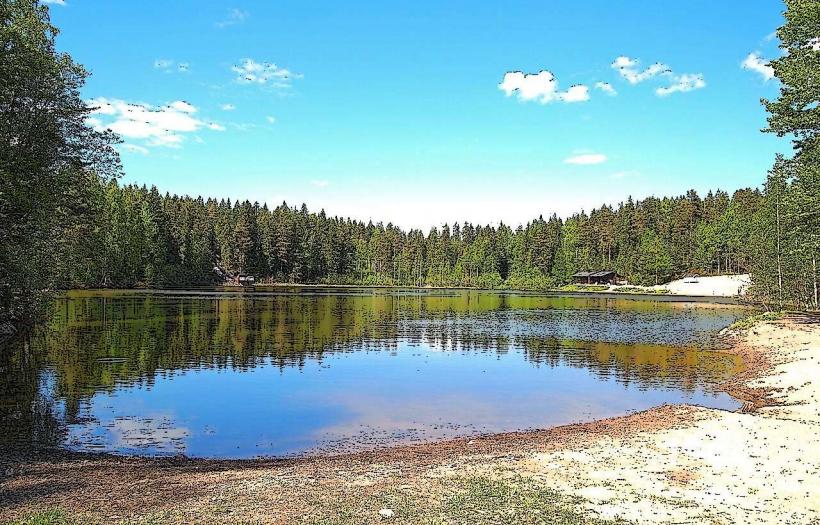
The city is situated on the northern shore of Lake Päijänne.
Keskusta: The commercial core featuring Kauppakatu, one of Finland's most successful pedestrian streets.
Seminaarinmäki: The historic university campus, recognized for its architectural and cultural significance.
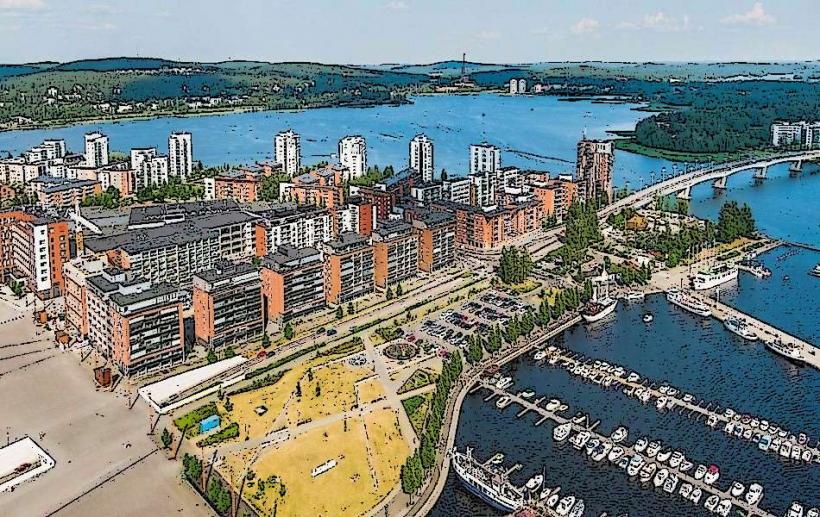
Lutakko: A former industrial harbor transformed into a modern residential and event district, housing the Paviljonki congress center.
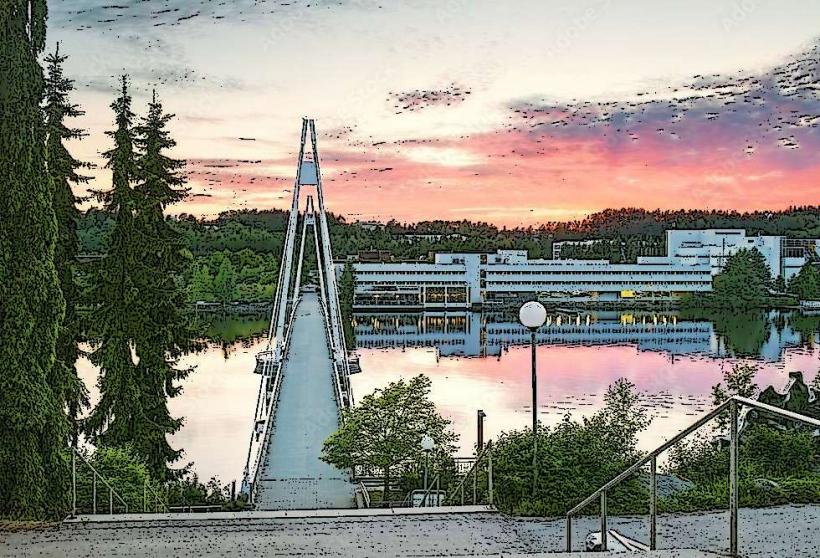
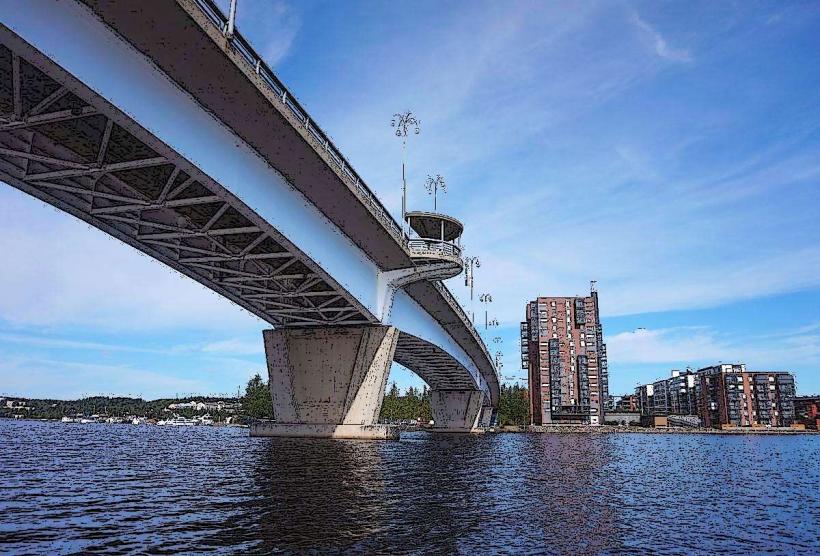
Kuokkala: A major residential district across the iconic Kuokkala Bridge, known for modern timber architecture.
Kangas: A new "smart city" district being developed on the site of an old paper mill.
Top City Landmarks
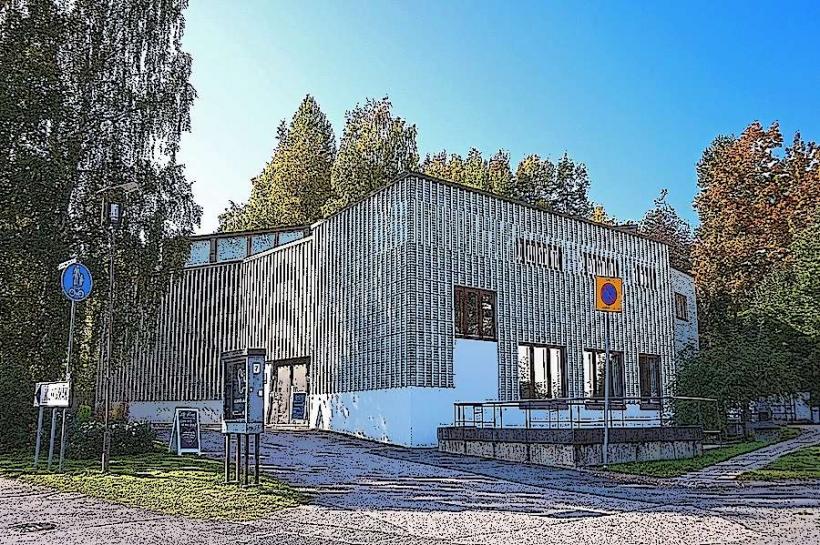
Alvar Aalto Museum: A dedicated museum showcasing the life and work of the master architect.
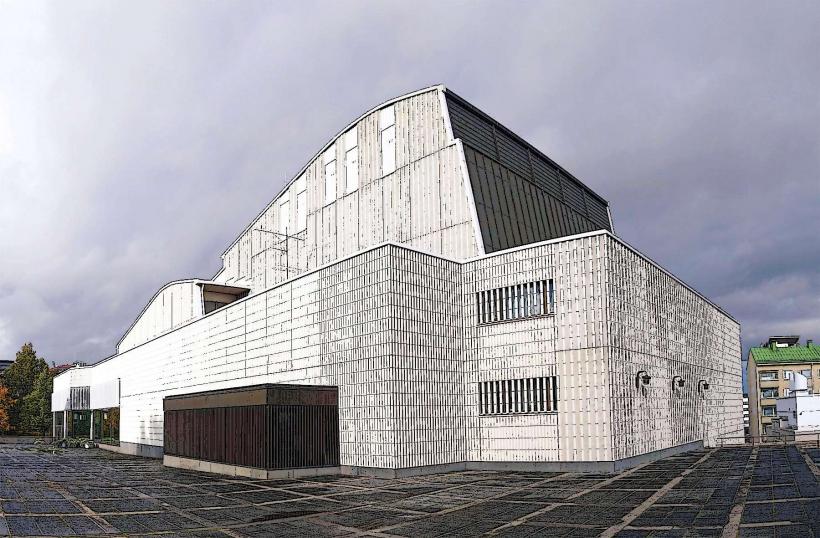
The Museum of Central Finland: Detailing regional history, housed in an Aalto-designed building.
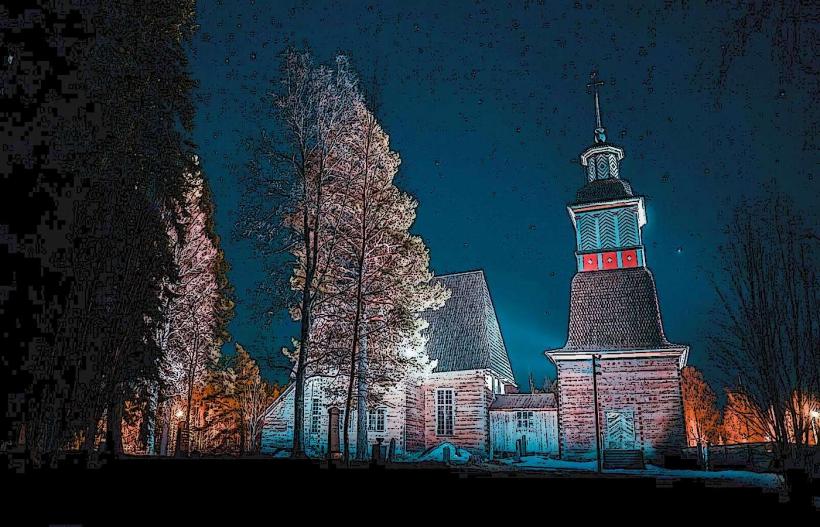
Petäjävesi Old Church: A UNESCO World Heritage site (located 30 km west), a masterpiece of 18th-century wooden architecture.
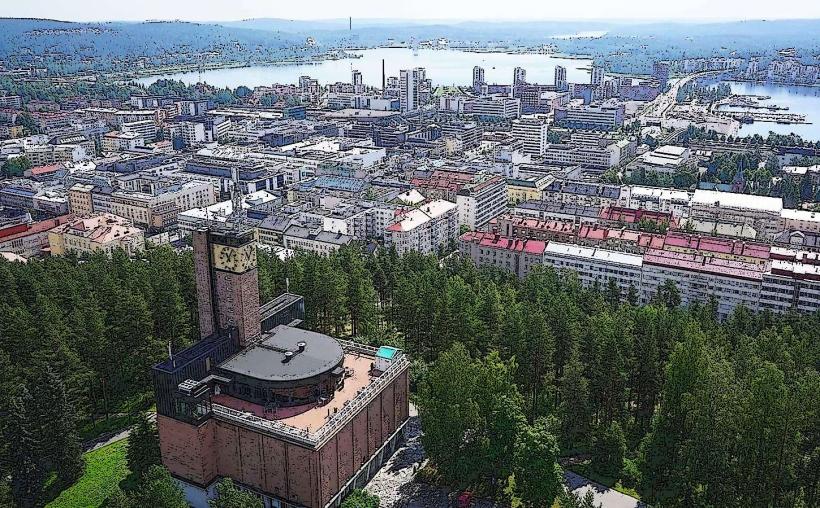
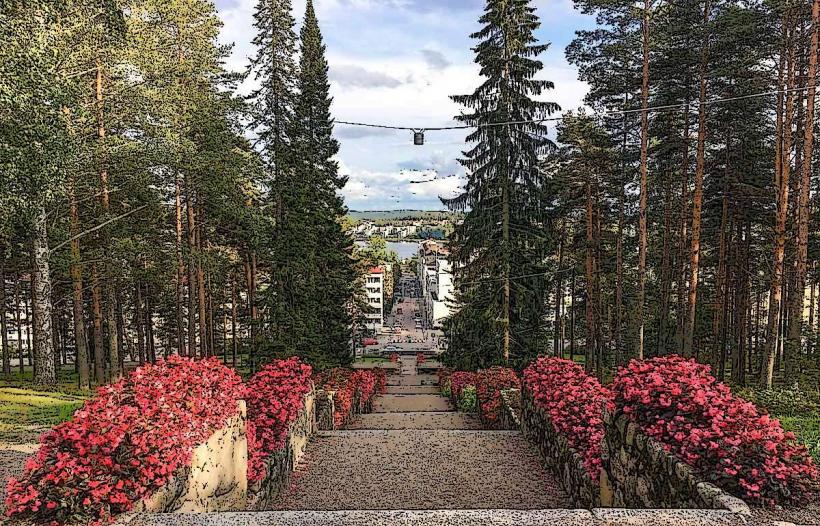
Vesilinna Lookout Tower: Located on the Harju ridge, providing 360-degree views and housing the Natural History Museum.
Kuokkala Church: A striking modern church built using traditional slate and wood.
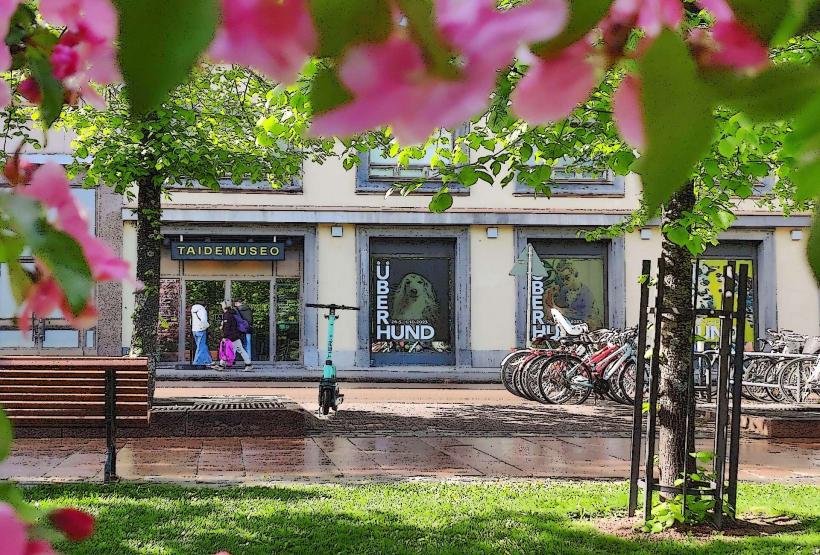
Craft Museum of Finland: A national museum specializing in Finnish handicrafts and textile art.
Transportation Network
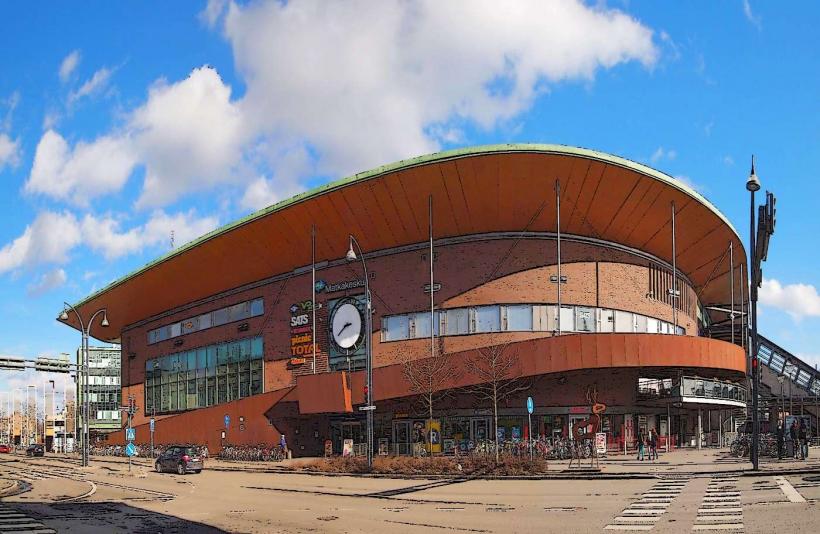
Movement is managed by Linkki. The city is exceptionally compact and features a high-priority cycling network. Air travel is serviced by Jyväskylä Airport (JYV) in Tikkakoski (20 km north). The Jyväskylä Railway Station (Travel Centre) provides direct Pendolino links to Helsinki (approx. 3.5 hours) and Tampere. During summer, the city is a major port for lake cruises to Lahti via the Päijänne tunnel system.
Safety & "Red Zones"
The safety level is high. There are no "no-go zones." Standard urban awareness is advised near Kauppakatu late on weekends. Environmental safety is high, but hikers on the Päijänne National Park trails should be prepared for sudden weather changes.
Digital & Financial Infrastructure
Average internet speed is 500–1000 Mbps. Jyväskylä is a center for cybersecurity and sports technology. The city is entirely cashless. Contactless payments and the Waltti mobile app for transit are the standard. Cash is increasingly obsolete in cafes and restaurants.
Climate & Air Quality
Temperatures range from -8°C in winter to 22°C in summer. The inland location means winters are consistently snowy, and the lakes provide a stabilizing effect on summer temperatures. Air quality is pristine.
Culture & Social Norms
Tipping is not expected. The culture is defined by "Opiskelijaelämä" (Student Life) and a deep-rooted passion for Rallying; the city is the permanent home of Secto Rally Finland (WRC). Social life revolves around the Harju ridge and the lakefront.
Accommodation Zones
Stay in Keskusta for proximity to museums, the pedestrian zone, and the train station.
Stay in Lutakko for harbor views and access to major events at Paviljonki.
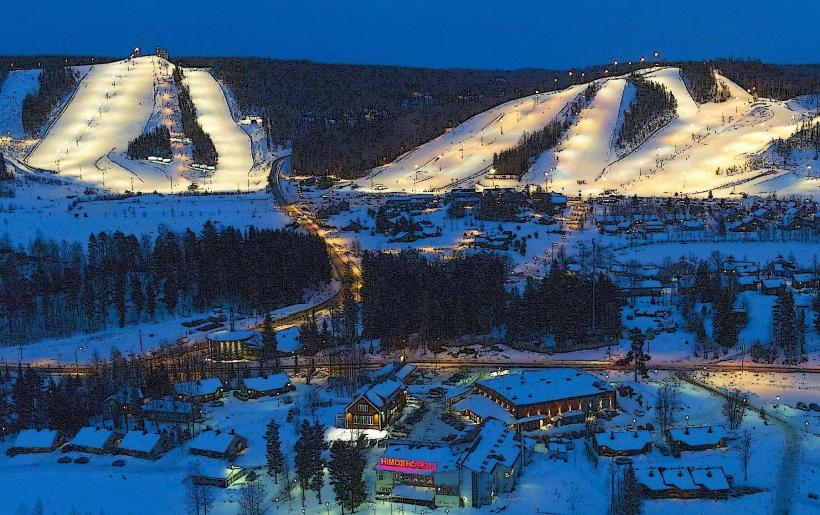
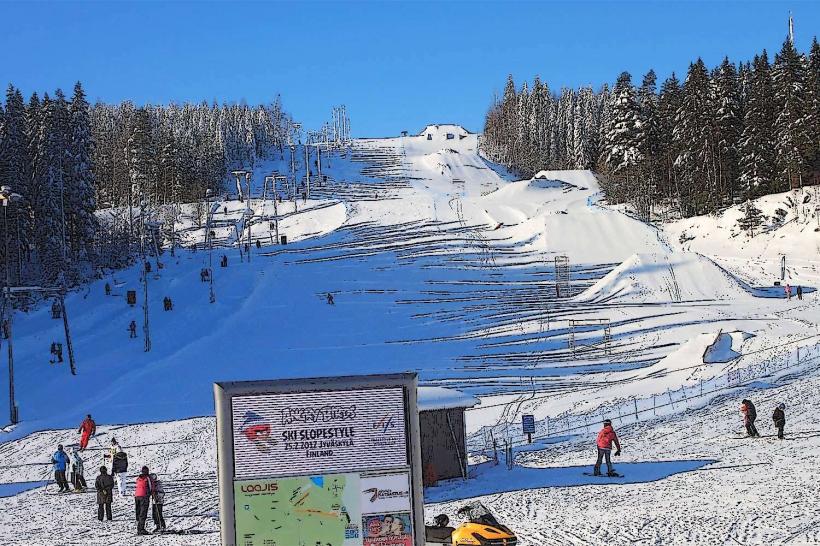
Stay near Laajavuori for skiing and outdoor activities.
Local Cost Index
1 Espresso: 3.50 – 4.50 €
1 Standard Lunch (Lounas): 12.00 – 16.00 €
1 Pint of Beer: 8.50 – 12.00 €
1 Single Transit Ticket: 3.00 €
Nearby Day Trips
Säynätsalo Town Hall: One of Aalto's most significant works, located on a forested island 15 km south.
Laajavuori: A year-round activity center featuring ski slopes and a legendary ski jumping hill (Matti Nykänen's home hill).
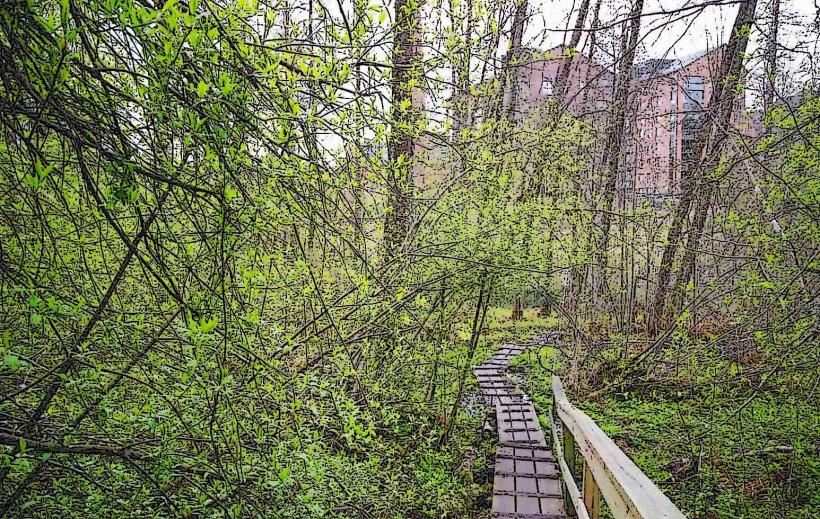
Leivonmäki National Park: 50 km south, featuring diverse mire and forest landscapes.
Facts & Legends
Local tradition holds that the "Harju evening song" (Laulu Päijänteelle), played from the Vesilinna tower every summer evening since 1976, protects the city. A verified historical fact is that Jyväskylä was the site of the world's first Finnish-language teacher training college, earning it the title "Cradle of Finnish Culture."