Information
City: VaasaCountry: Finland
Continent: Europe
Vaasa, Finland, Europe
Vaasa serves as the "Energy Capital of the North" and the administrative center of the Ostrobothnia region. It functions as a global leader in marine and energy technology, characterized by its bilingualism (Finnish and Swedish), its unique status as the site of Finland's first library, and its proximity to the Kvarken Archipelago, the country’s only natural UNESCO World Heritage site.
Historical Timeline
Founded in 1606 by King Charles IX of Sweden. The primary event shaping its modern urban form was the Great Fire of 1852, which leveled almost the entire city. It was subsequently rebuilt 7 km closer to the sea at its current location. During the Finnish Civil War in 1918, Vaasa served as the temporary capital of Finland (Senate of Finland), earning it the nickname "The White City."
Demographics & Population
The population is approximately 69,000 (2026 estimate). The demographic is uniquely balanced between linguistic groups; approximately 67% speak Finnish and 23% speak Swedish as their first language. The city is a major academic hub, with over 13,000 students attending six different university units, including the University of Vaasa.
Urban Layout & Key Districts
The city features a neoclassical grid with wide avenues (to prevent fire spread) and five major "esplanades."
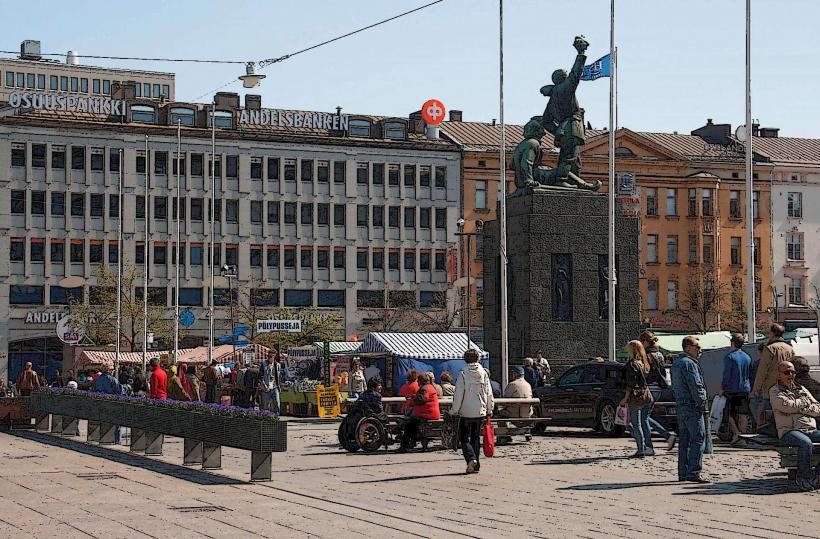
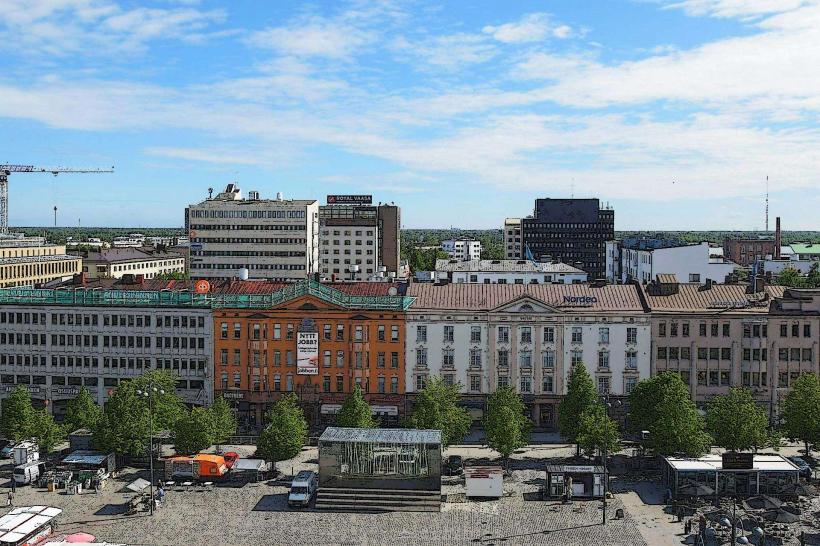
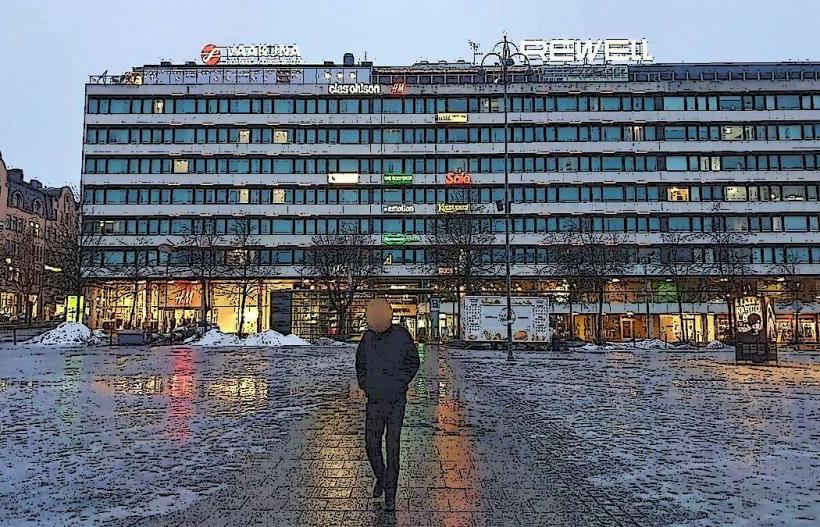
Sentrum: The commercial core centered on the large Market Square (Kauppatori).
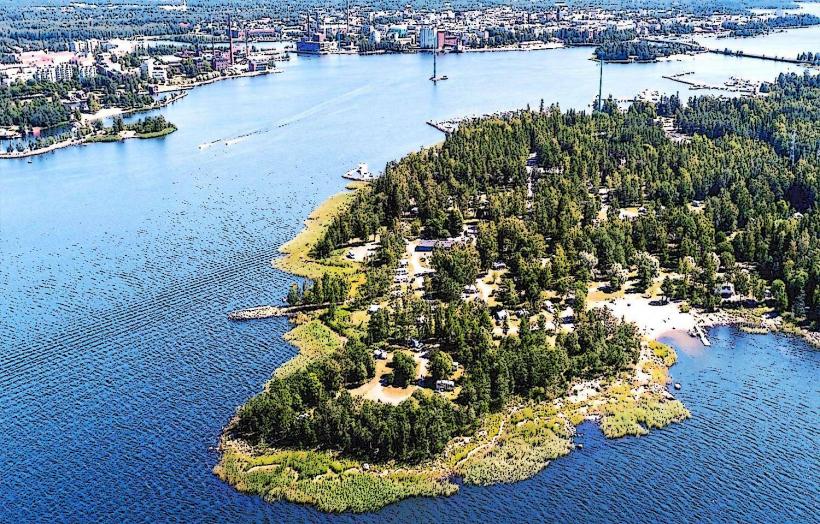
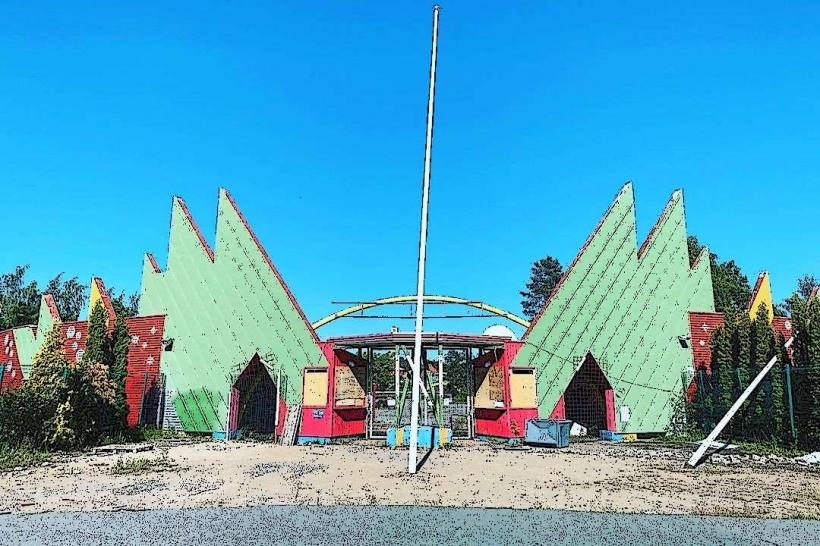
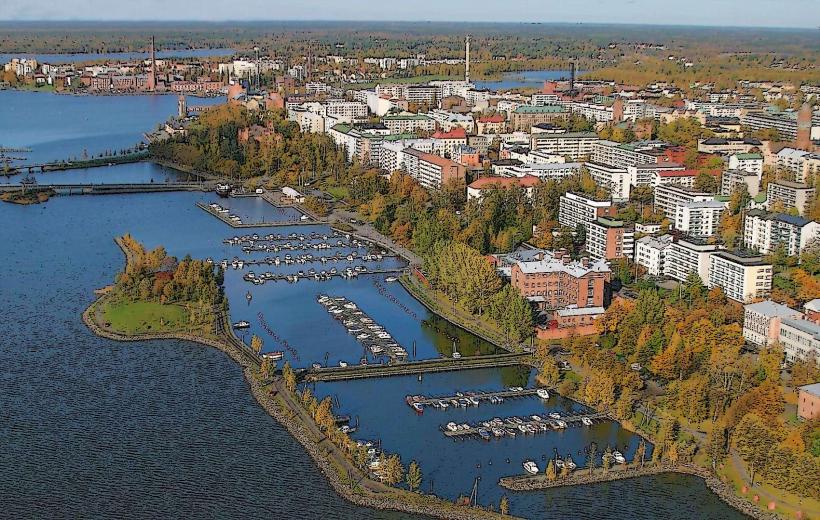
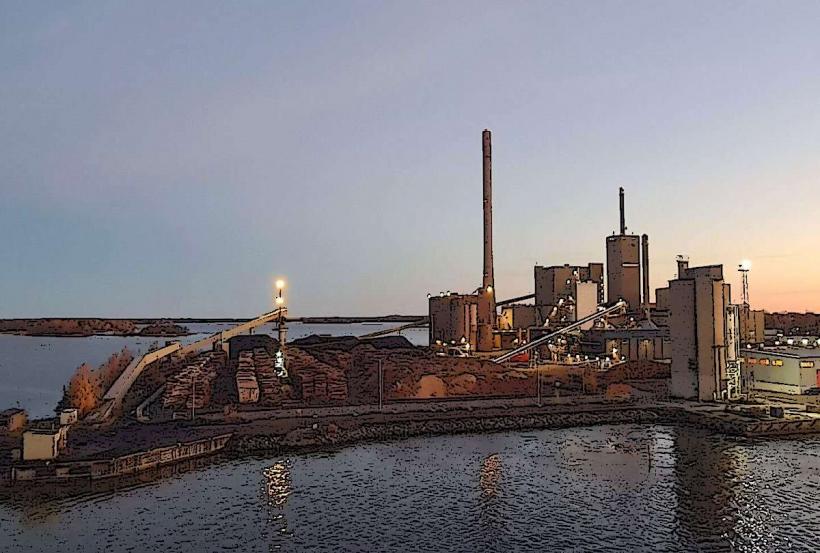
Vaskiluoto: An island connected by a bridge, housing the harbor, amusement park, and industrial zones.
Palosaari: A historic "university island" and former working-class district with distinct architecture.
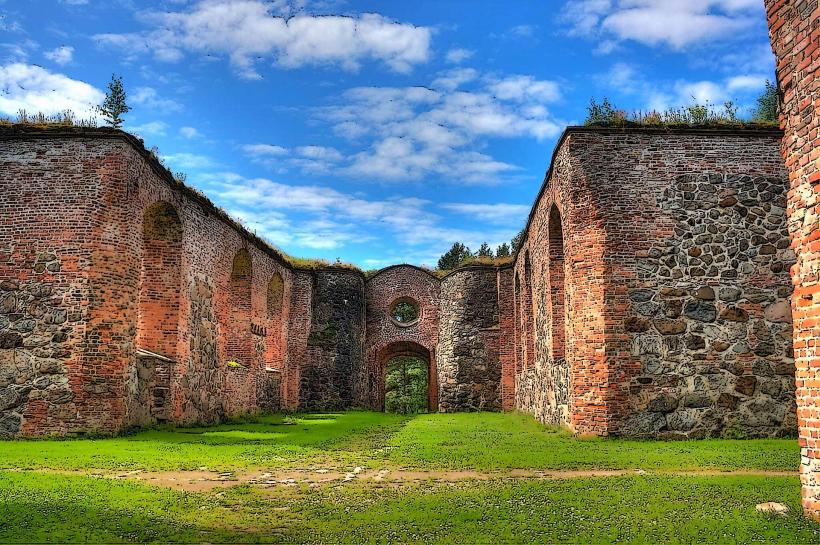
Old Vaasa (Vanha Vaasa): The ruins of the original city, located 7 km southeast of the modern center.
Kivihaka: A major commercial and retail hub on the city's outskirts.
Top City Landmarks
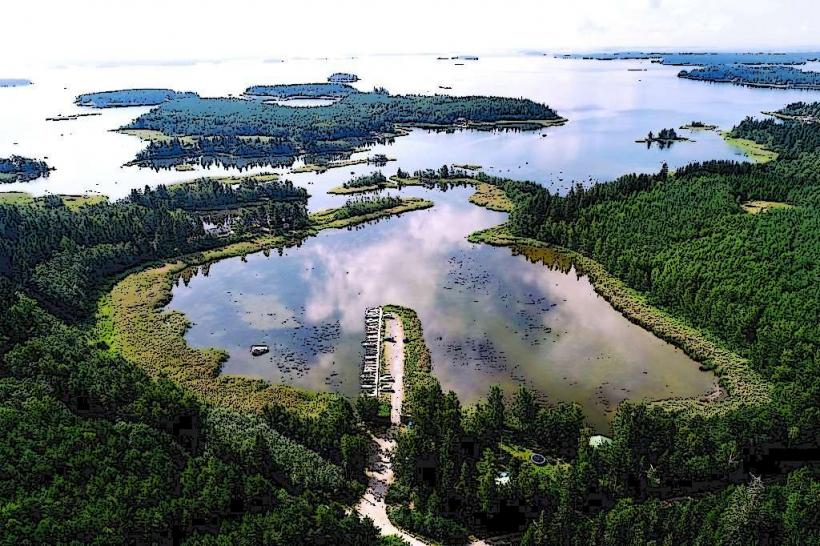
The Kvarken Archipelago: A UNESCO site famous for "De Geer" moraines and rapid land uplift (8.5 mm per year).
Kuntsi Museum of Modern Art: Housed in a former customs warehouse in the Inner Harbor.
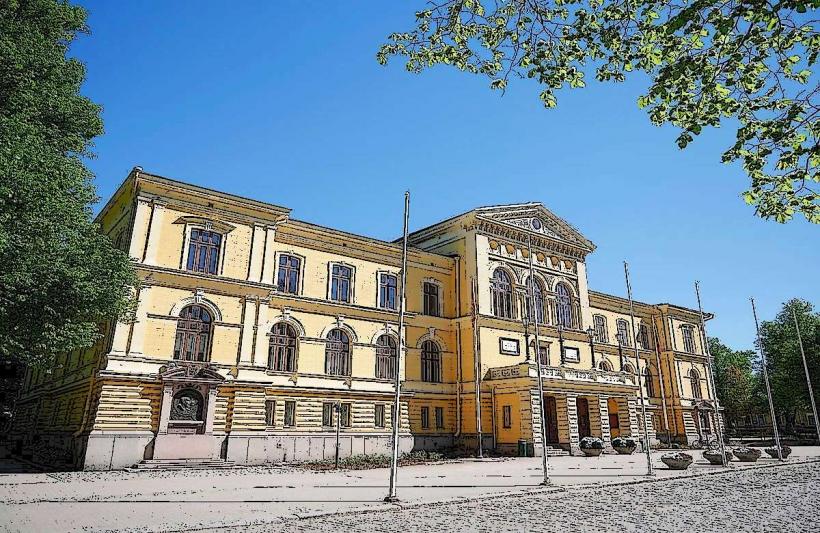
Ostrobothnian Museum: Detailing regional history, natural science, and art.
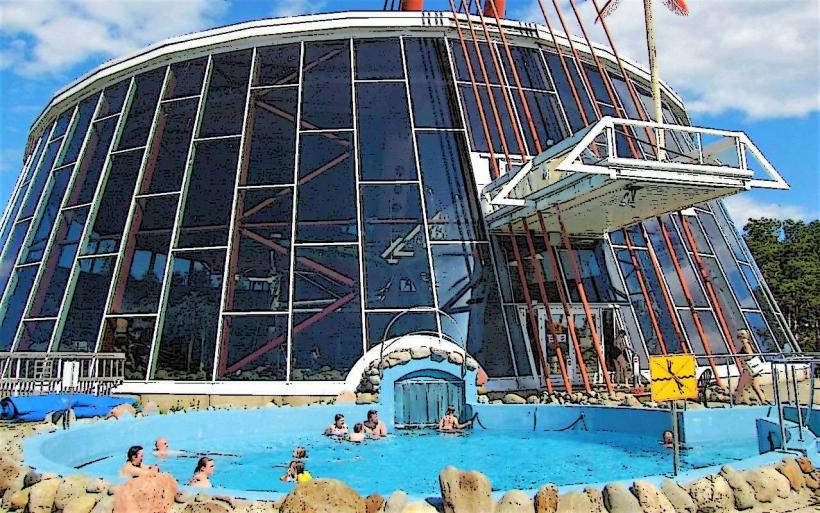
Tropiclandia: A year-round water park and spa on Vaskiluoto.
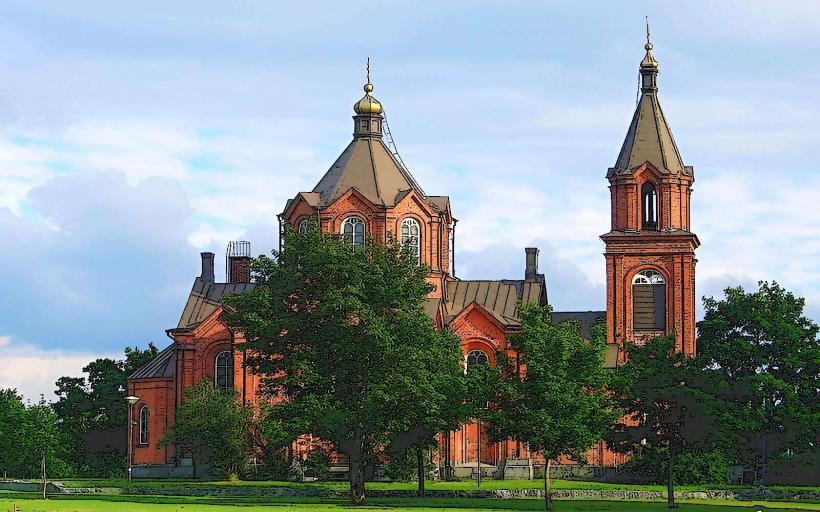
St. Nicholas Church: An Orthodox church dating to 1862, reflecting the Russian era.
Raippaluoto Bridge (Replot Bridge): Finland’s longest bridge (1,045 m), connecting the mainland to the archipelago.
Transportation Network
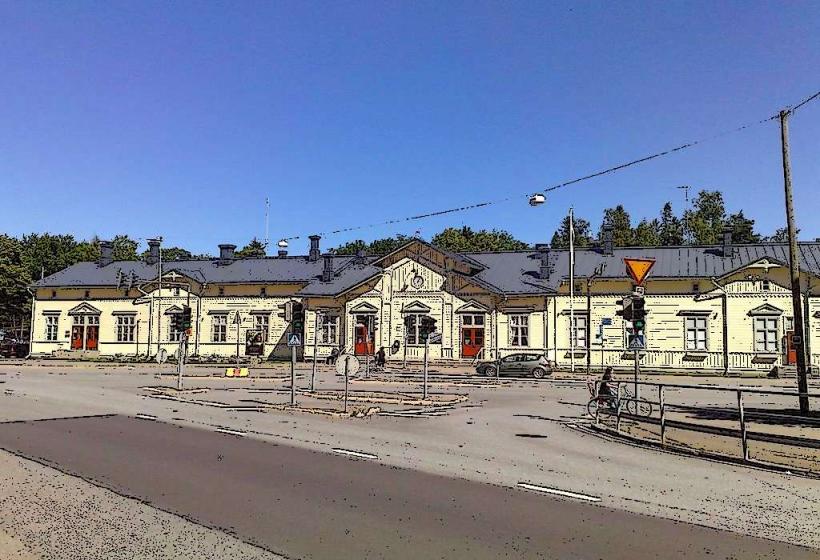
Movement is managed by Lifti. The city is compact and highly bikeable. Air travel is serviced by Vaasa Airport (VAA), 9 km from the center. The city is a critical maritime link; the Wasaline ferry provides year-round daily service to Umeå, Sweden (3.5 hours). Rail services via VR connect Vaasa to Seinäjoki and Helsinki.
Safety & "Red Zones"
The safety level is high. There are no "red zones." Standard urban awareness is sufficient. Environmental safety is the primary concern for archipelago visitors; land uplift causes constant changes in water depth, requiring extreme caution for maritime navigation.
Digital & Financial Infrastructure
Average internet speed is 500–1000 Mbps. Vaasa is the center of the EnergyVaasa cluster, producing 30% of Finland’s energy technology exports. The city is entirely cashless. Mobile payments and cards are universal; the Waltti app is the primary method for bus transit.
Climate & Air Quality
Temperatures range from -6°C in winter to 20°C in summer. Vaasa is one of the sunniest cities in Finland due to its coastal position and the flat landscape of Ostrobothnia. Air quality is pristine.
Culture & Social Norms
Tipping is not required. The culture is defined by "Pohjalaisuus"-a regional identity characterized by independence, entrepreneurship, and honesty. Social life revolves around the "Strandgatan" (Rantakatu) waterfront and archipelago cabins (villat).
Accommodation Zones
Stay in Sentrum for immediate access to the Market Square and restaurants.
Stay in Vaskiluoto for a resort feel and sea views.
Local Cost Index
1 Espresso: 3.50 – 4.50 €
1 Standard Lunch (Lounas): 12.00 – 15.50 €
1 Pint of Beer: 8.50 – 12.50 €
1 Single Transit Ticket: 3.20 €
Nearby Day Trips
Söderfjärden: A 520-million-year-old meteorite crater now used as a massive agricultural field and bird sanctuary.
Stundars: 15 km south; a large open-air museum and artisan village.
Umeå, Sweden: Reachable via ferry for a cross-border day trip.
Facts & Legends
Local legend says the "Vaasa Spirit" drives the city's high rate of innovation. A verified historical fact is that because of the post-glacial land uplift, the Vaasa coastline moves outward at such a rate that new land equivalent to 150 football fields is created every year.