Information
City: Vacoas PhoenixCountry: Mauritius
Continent: Africa
Vacoas Phoenix, Mauritius, Africa
Vacoas-Phoenix serves as the primary residential and industrial center of the Plaines Wilhems District, located in the central highlands of Mauritius. It is the country’s most populous municipality and acts as a strategic logistics link between the capital and the southern regions.
Historical Timeline
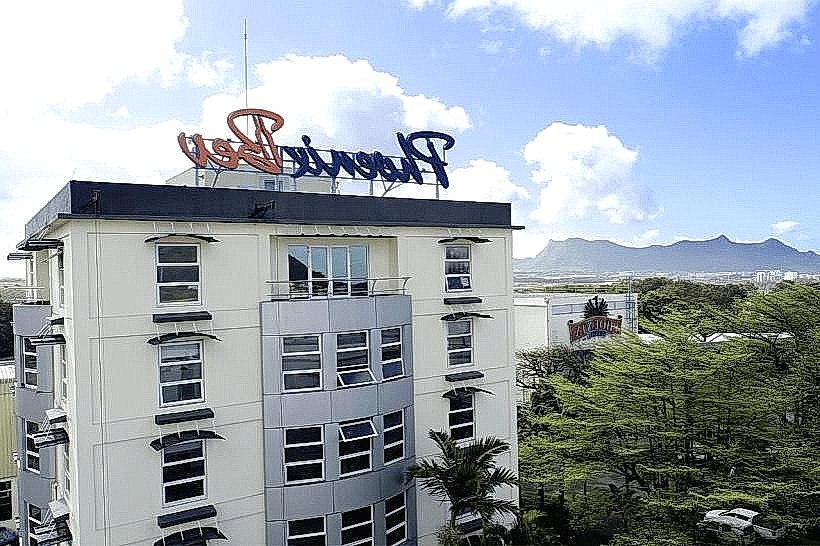
The town was formally established through the merger of Vacoas and Phoenix in 1963. Vacoas originally developed in the mid-19th century as a military outpost and residential zone for British officials, while Phoenix grew around the sugar industry and the Phoenix Beer Brewery (est. 1963). The primary event that shaped the current urban form was the post-independence industrialization of the 1970s, which established the Phoenix Industrial Zone as the island's premier manufacturing base.
Demographics & Population
The municipal area has a population of approximately 107,433 (2022 Census). The ethnic composition is 51% Hindu, 28% Muslim, and 20% Christian (primarily Creole). The median age is 38 years.
Urban Layout & Key Districts
The city is situated on a flat plateau surrounded by the Moka mountain range. It is divided into two distinct poles: Vacoas (West), which is primarily residential and administrative, and Phoenix (East), the commercial and industrial heart. Key districts include Floréal (Northwest), an affluent residential zone; Phoenix Central, containing the major retail malls; and La Caverne, a high-density residential area.
Top City Landmarks
Phoenix Mall (Original major shopping hub)
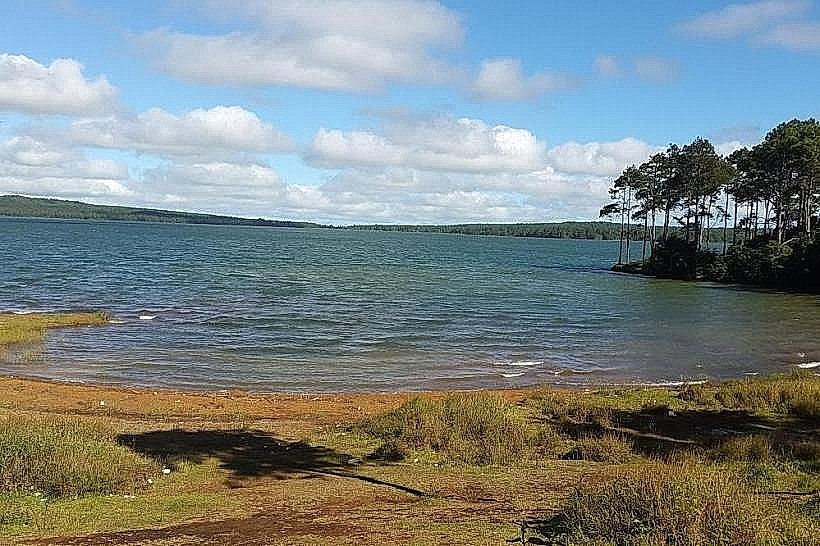
Mare aux Vacoas (Largest reservoir in Mauritius)
Special Mobile Force (SMF) Headquarters
The Phoenix Beer Brewery
Vacoas Market (Bazar Vacoas)
Transportation Network
Internal transit is facilitated by the Metro Express (Light Rail) which connects the Phoenix station to Port Louis and Curepipe. The M1 Motorway bisects the city, providing the primary arterial route for private vehicles and express buses. Ride-sharing is dominated by the Yugo app. Official taxis are white with yellow side decals. Traffic density is severe at the Phoenix Roundabout and the Jumbo links during peak hours (07:30–09:30 and 16:30–18:30).
Safety & "Red Zones"
The general safety level is high. Avoid the vicinity of the Jan Palach North bus station and the industrial backstreets of Phoenix after 20:00. Common scams are rare, though unlicensed "taxi-marron" (private cars acting as taxis) operate frequently and should be avoided for lack of insurance.
Digital & Financial Infrastructure
Average internet speed is 50 Mbps via fiber optics. Main mobile carriers are my.t and Emtel. Card acceptance is high in the Phoenix Mall and Jumbo complexes; cash is necessary for the Vacoas Market. ATMs are highly accessible at the commercial centers and along the Sayer Street axis.
Climate & Air Quality
Temperatures range from 14°C to 22°C in winter and 20°C to 28°C in summer. The town receives high rainfall and frequent fog due to its plateau location. Air quality is generally excellent, though localized smog can occur near the industrial zones and the M1 motorway during temperature inversions.
Culture & Social Norms
Tipping is not compulsory; 5-10% is practiced in seated restaurants. Handshakes are the standard greeting. Dress code is conservative, especially when visiting the various Hindu temples or mosques in the periphery. Public alcohol consumption is prohibited, and smoking is restricted to designated outdoor areas.
Accommodation Zones
Stay in Floréal for upscale guest houses and proximity to the diplomatic quarter.
Stay in Phoenix Central for logistical access to the Metro Express and modern retail amenities.
Local Cost Index
1 Espresso: 115 MUR ($2.50 USD)
1 Standard Lunch: 325 MUR ($7.10 USD)
1 Metro/Bus Ticket: 35-55 MUR ($0.75 - $1.20 USD)
Nearby Day Trips
Trou aux Cerfs Volcano: 3 km (10 minutes)
Tamarind Falls (7 Cascades): 8 km (20 minutes)
Eureka Creole House: 10 km (15 minutes)
Grand Bassin (Ganga Talao): 15 km (25 minutes)
Facts & Legends
The town is the site of a persistent "micro-climate" legend; locals claim it can rain in Vacoas while Phoenix remains completely dry, despite the districts being contiguous. Historically, the "Phoenix" name does not derive from the mythical bird, but from a specific species of date palm (Phoenix dactylifera) that was once prominent in the local landscape during the early colonial era.