Information
City: VinnytsiaCountry: Ukraine
Continent: Europe
Vinnytsia, Ukraine, Europe
Vinnytsia serves as the administrative center of the Vinnytsia Oblast and the primary headquarters for the Ukrainian Air Force. It is located in west-central Ukraine, situated along the banks of the Southern Bug River.
Historical Timeline
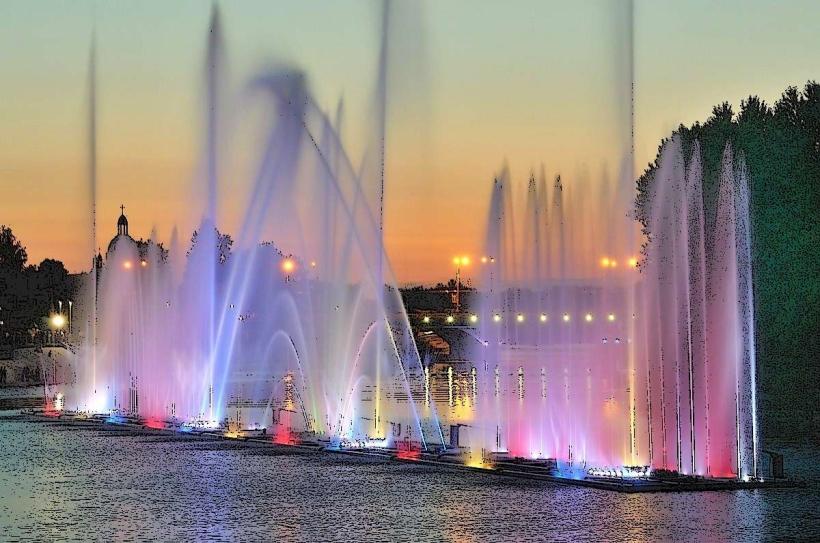
Vinnytsia was founded in 1363 as a fortress by the Grand Duchy of Lithuania. Primary governance eras include the Lithuanian period (1363–1569), the Polish-Lithuanian Commonwealth (1569–1793), the Imperial Russian era, and the Soviet period. The city underwent significant architectural reconstruction following the devastation of WWII and the 1944 liberation. The most significant event shaping the current urban form was the mid-20th-century industrialization and the 2011 installation of the Roshen Fountain, which transformed the riverfront into a centralized public hub.
Demographics & Population
The population within city limits is approximately 370,000. The top three demographics are Ukrainian (87%), Russian (10%), and Polish (0.5%). The median age of the population is 38.2 years.
Urban Layout & Key Districts
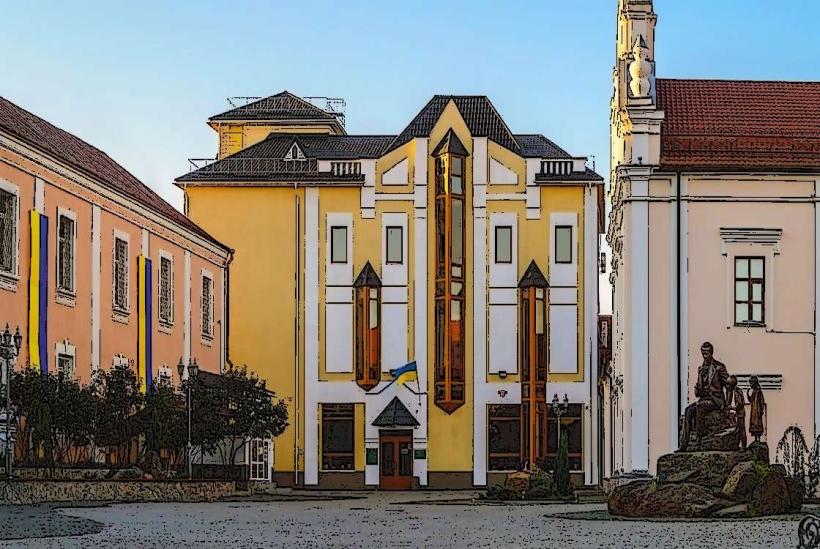
The city is bisected by the Southern Bug River. Soborna Street is the primary historical and commercial axis (Central). Zamostianskyi to the east contains the main railway station and industrial heritage zones, while Vyshhenka to the west is the largest modern residential district.
Top City Landmarks
Roshen Multimedia Fountain
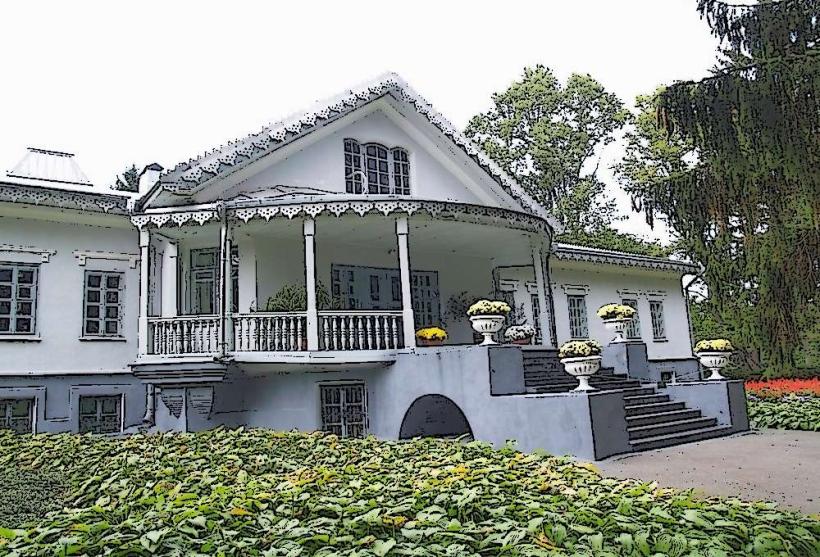
Pirogov Estate and Museum (including the embalmed body of Nikolay Pirogov)
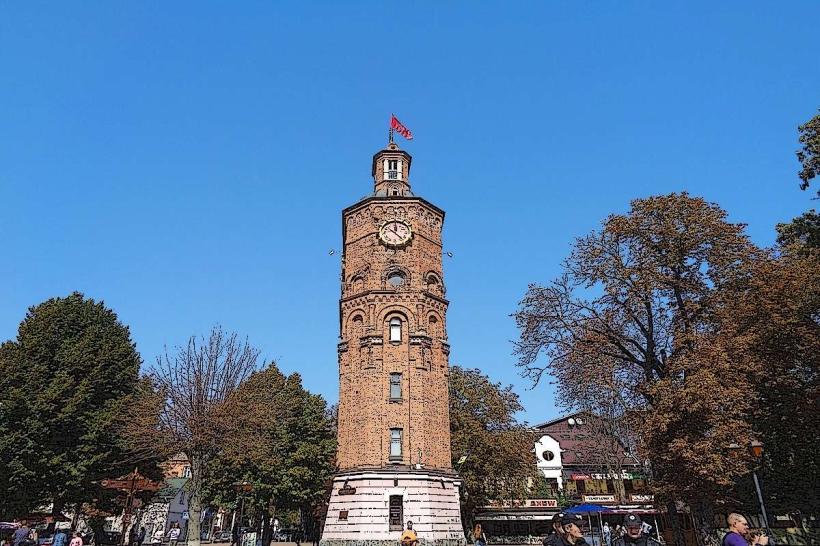
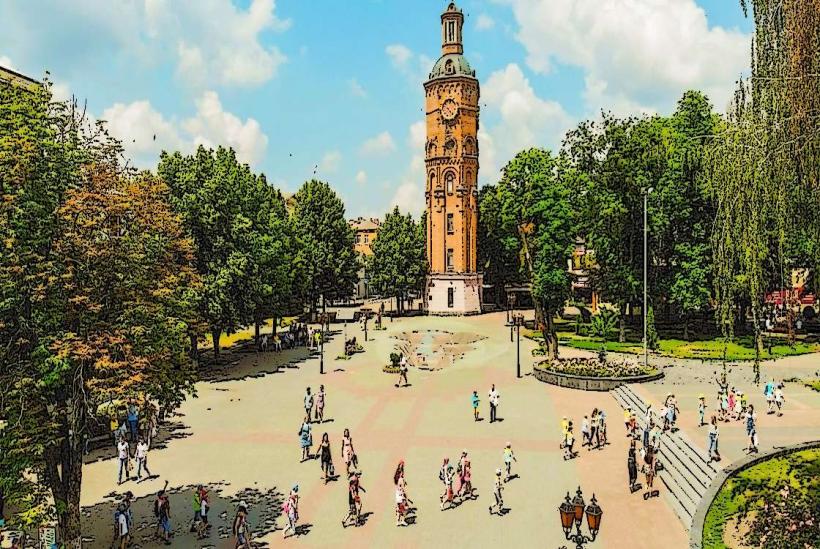
The Water Tower (1912)
Baptist Church (one of the largest in Europe)
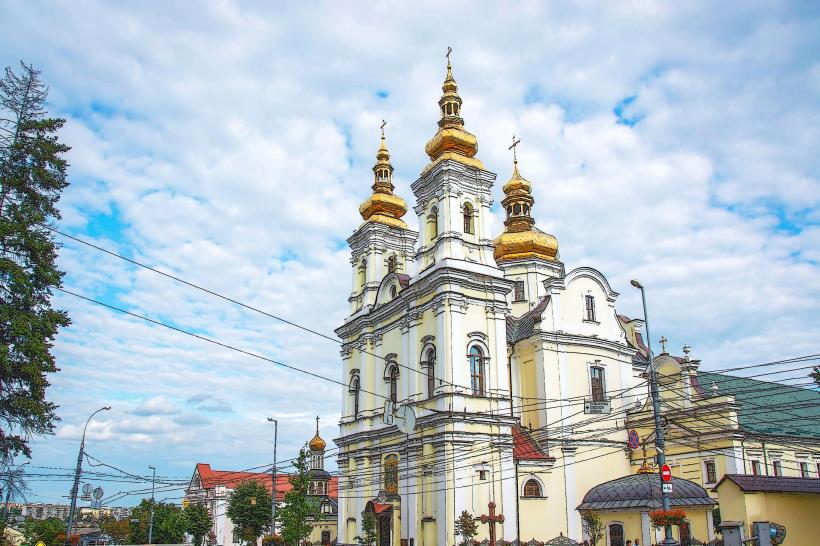
Holy Transformation Cathedral
Transportation Network
Internal transit is defined by a highly efficient Swiss-donated tram system (Zürich Trams). Trolleybuses and marshrutkas cover peripheral routes. There is no metro. Ride-sharing is dominated by Uklon and Bolt. Official taxis are typically hired via mobile apps. Traffic density is moderate, with peak congestion occurring on the Central and Kievskyi bridges.
Safety & "Red Zones"
The general safety level is high. Caution is advised at night in the Tiahyliv and DPZ industrial areas. Common scams are rare but may include fraudulent apartment rental listings targeting internal refugees or international visitors.
Digital & Financial Infrastructure
Internet speeds average 175 Mbps with high availability of fiber-optic connections. Main mobile carriers are Kyivstar, Vodafone, and lifecell. Card and NFC acceptance is near 100% in the city center. ATMs are widely available, particularly through PrivatBank and Monobank.
Climate & Air Quality
Temperatures range from -6°C to 0°C in winter and 18°C to 27°C in summer. Air quality is consistently good due to the high percentage of green space within city limits. Weather risks include seasonal spring flooding of the Southern Bug and icy conditions on the hilly cobblestone streets.
Culture & Social Norms
The standard tipping percentage is 10%. Handshakes are the standard greeting. Dress codes are casual, though business-casual is expected in the administrative center. Smoking is prohibited in all public transport stops and parks; alcohol consumption is restricted to licensed venues.
Accommodation Zones
Soborna/Central District: Recommended for walking access to historic sites, the riverfront, and the tram network.
Vyshhenka: Recommended for modern apartments, proximity to the lake, and shopping malls.
Local Cost Index
1 Espresso: ₴40 ($0.98)
1 Standard Lunch: ₴240 ($5.85)
1 Tram Ticket: ₴12 ($0.30)
Nearby Day Trips
Wehrwolf (Hitler’s Eastern Front Headquarters ruins - 12 km)
Nemyriv (Scythian ramparts and Palace - 45 km)
Tulchyn (Potocki Palace - 80 km)
Busha Historical Reserve (150 km)
Brailiv (Tchaikovsky Museum - 40 km)
Facts & Legends
A local legend surrounds the "Underground Vinnytsia," a network of 16th-century Jesuit tunnels rumored to run beneath Soborna Street, connecting the various monasteries to the river. Historically, the city is home to the world’s only surviving example of a preserved and embalmed body outside of royalty or heads of state-the surgeon Nikolay Pirogov, who has remained in his crypt since 1881.