Information
City: Vung TauCountry: Vietnam
Continent: Asia
Vung Tau, Vietnam, Asia
Vung Tau serves as the primary petroleum hub and maritime leisure center of Southern Vietnam. It is situated on a peninsula in the Southeast region, serving as the commercial heart of Ba Ria-Vung Tau Province.
Historical Timeline
The area was known as Cap Saint-Jacques during the French colonial era, established as a coastal sanatorium in 1895. It transitioned from a strategic naval base for the Republic of Vietnam and Allied forces (1960s–70s) to the center of the Soviet-Vietnamese oil partnership (Vietsovpetro) in the 1980s. The most significant modern architectural shift occurred during the late 2010s with the construction of high-density skyscraper apartments and the 2024–2025 expansion of the Cai Mep-Thi Vai port complex.
Demographics & Population
The city population is approximately 427,000. It features a unique demographic blend due to the oil industry, including a long-standing Russian expatriate community. The population is predominantly Kinh (97%). The median age is 32.4 years.
Urban Layout & Key Districts
The city is defined by two prominent landmarks: Big Mount (Nui Lon) and Small Mount (Nui Nho).
Ward 1 (Front Beach/Bai Truoc): The administrative, financial, and ferry hub.
Ward 2 & Ward 8 (Back Beach/Bai Sau): The primary tourism and hotel corridor.
Ward 9: The specialized industrial and residential enclave for the oil and gas sector.
Long Son Island: An offshore ward housing the Southern Petrochemical Complex.
Top City Landmarks
Christ the King Statue: A 32-meter monument on Small Mount.
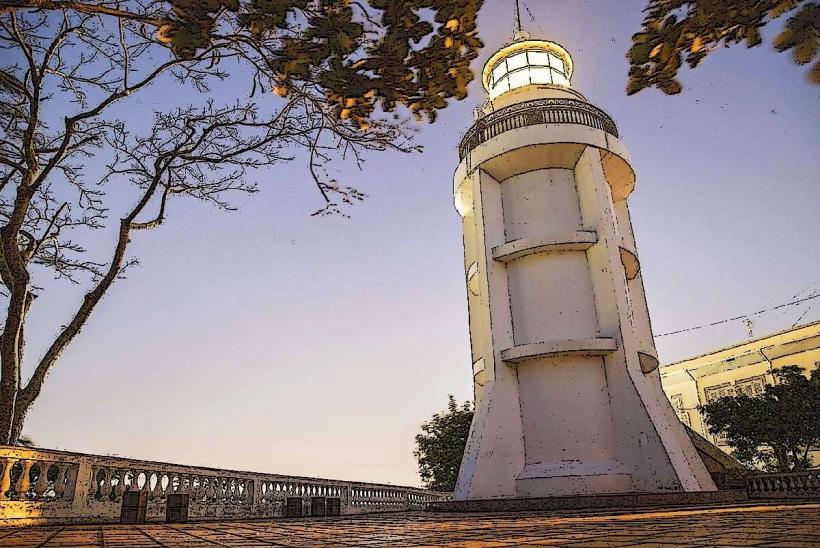
Vung Tau Lighthouse: The oldest lighthouse in Vietnam (built 1862).
Villa Blanche (Bach Dinh): A former French Governor’s summer residence.
Worldwide Arms Museum: A private collection of over 2,500 historical military artifacts.
Nghi Phong Cape: A scenic cliffside viewpoint between the two mountains.
Transportation Network
Movement within the city is facilitated by wide coastal boulevards and motorbikes.
Maritime: High-speed hydrofoils (Greenlines DP) connect to Ho Chi Minh City in 90 minutes.
Road: National Highway 51 is the primary link; the Bien Hoa-Vung Tau Expressway is currently under construction.
Ride-sharing: Grab (Car/Bike) is fully operational. Official taxis are green (Mai Linh) or white (Vinasun).
Cable Car: Connects the coast to the Ho May Park on Big Mount.
Safety & "Red Zones"
Vung Tau is generally safe. There are no designated "red zones." Caution is advised at Back Beach (Bai Sau) regarding strong riptides and evening pickpockets. Common scams include "commissions" added to seafood prices at unregulated stalls; use restaurants with clearly displayed price menus (e.g., Ganh Hao).
Digital & Financial Infrastructure
Average internet speed is 78 Mbps. Card acceptance is high in hotels, Lotte Mart, and Ward 1 cafes. Cash is mandatory for local markets and small seafood eateries. ATMs are abundant, particularly along Ba Cu and Le Hong Phong streets.
Climate & Air Quality
Temperatures range from 24°C to 28°C in the cool season (December–January) and 28°C to 35°C in the dry season. Air quality is high due to consistent sea breezes. The rainy season runs from May to October.
Culture & Social Norms
Tipping is not standard. Handshakes are the common greeting. Dress code is conservative in government offices and the Thang Tam Temple; beachwear is restricted to the shore. A specific social norm is the "weekend migration," where the city's population swells by approximately 30% due to visitors from Ho Chi Minh City.
Accommodation Zones
Front Beach (Ward 1): Recommended for business travelers and ferry access.
Back Beach (Thuy Van St): Recommended for tourists seeking direct beach access.
Local Cost Index
1 Espresso: 35,000 VND ($1.45)
1 Standard Lunch (Banh Khot): 70,000 VND ($2.90)
1 Hydrofoil Ticket (to HCMC): 350,000 VND ($14.50)
Nearby Day Trips
Ho May Park: 10 minutes via cable car.
Long Hai Beach: 25 km (40 minutes).
Ho Tram: 50 km (1 hour).
Con Dao Island: 3.5 hours via high-speed ferry.
Facts & Legends
A prominent local legend involves the Hon Ba Islet, which can only be reached by foot during low tide via a submerged stone path; it is said to protect the local fishing fleet. A verified historical oddity is the Worldwide Arms Museum, which was founded and is still managed by a British expatriate, Robert Taylor. Another fact: Vung Tau is the only city in Vietnam where the sun can be seen both rising and setting over the sea from different points on its peninsula.