Information
City: VushtrriCountry: Kosovo
Continent: Europe
Vushtrri, Kosovo, Europe
Vushtrri (Vicianum) functions as the primary agricultural and historical pivot of northern Kosovo. Situated on the Sitnica River between Pristina and Mitrovica, it serves as a specialized node for Dardanian archaeology, Ottoman civil engineering, and potato production. It is defined by its stone bridge "without a river," its central medieval fortification, and its 2026 role as a leader in Kosovo's "Smart City Strategy," aiming for 60% digital service integration by 2027.
Historical Timeline
Antiquity: Established as Viciana (The Place of Calves) by the Dardanians; later a major Roman station on the Via Lissus-Naissus.
14th–15th Century: Served as the seat of the Branković dynasty and the Vojinović noble family; became a premier market for Ragusan (Dubrovnik) merchants.
Ottoman Period: Transitioned into a massive administrative center (Sanjak of Viçitrina), becoming one of the largest cities in the Balkans during the 15th–18th centuries.
2026 Context: The city is currently implementing the 2026-2028 Smart Public Infrastructure phase, introducing IoT-enabled waste and water monitoring systems and digitizing 100% of urban zones.
Demographics & Population
The urban population is approximately 62,000 (2026 estimate). The demographic is specialized toward agriculture and trade. Vushtrri is characterized by its high ethnic homogeneity (92% Albanian) but maintains significant cultural heritage from its diverse Roman, Byzantine, and Ottoman past. It has a high youth ratio, aligned with Kosovo's national average age of 34.8.
Urban Layout & Key Districts
The Historic Core: A specialized central zone containing the Castle and the Stone Bridge, transitioning into the main pedestrian boulevard.
The Bazaar: A specialized northern district known for traditional metalwork and the trade of regional agricultural products.
Pestova: A specialized southern satellite village; the epicenter of Kosovo’s potato industry and a significant archaeological site (Villa Rustica).
Industrial Zone: Located along the Pristina-Mitrovica highway, specializing in food processing and construction materials.
Top City Landmarks
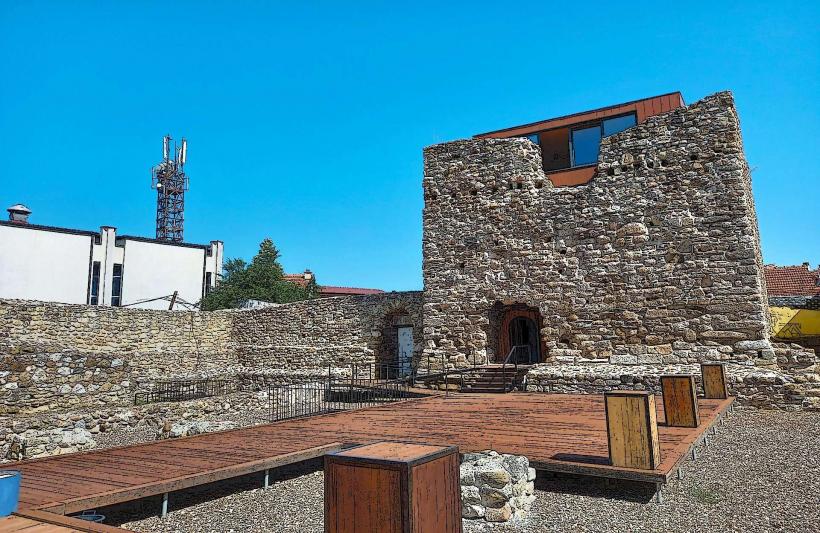
Vushtrri Castle (Vojinović Tower): A specialized 14th-century fortification located in the city center; it features a 3-meter thick donjon (keep) and was the former seat of Despot Đurađ Branković.
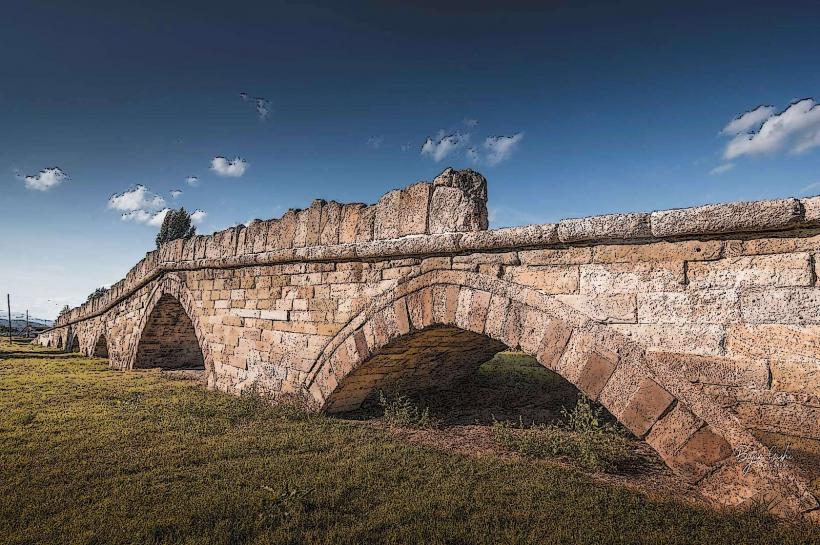
The Old Stone Bridge (Ura e Gurit): A specialized 135-meter asymmetric bridge with nine arches. Unique Fact: Due to the shifting course of the Sitnica River over centuries, the bridge now stands over dry land in the city center.
Gazi Ali Bey Hammam: A specialized 15th-century Ottoman public bath; one of the oldest and most prominent monuments of its kind in the region.
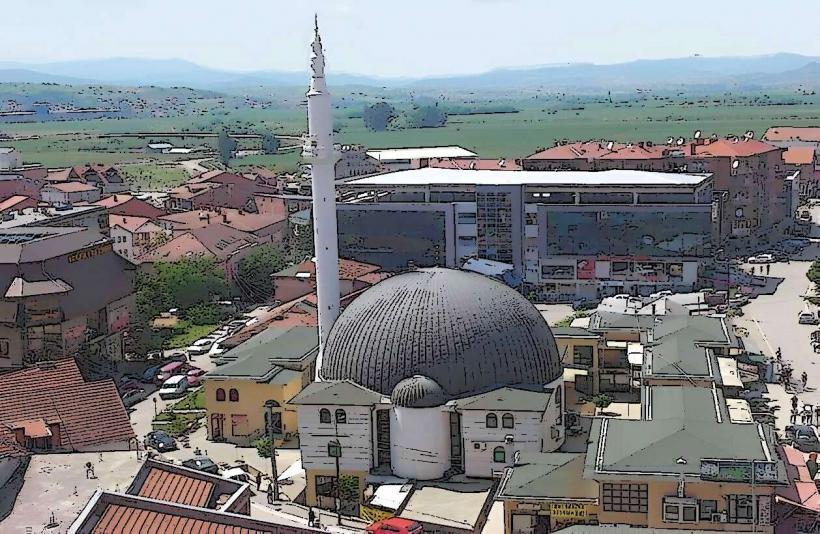
Sheikh Zahid Mosque (Xhamia e Çarshisë): A specialized 19th-century structure in the city center, reconstructed with modern architectural elements following its destruction in 1999.
The Old Clock Tower: A specialized Ottoman-era timekeeping monument, serving as a navigational landmark in the old town.
Economy & 2026 Logistics
Potato Capital: Vushtrri is the specialized center for Kosovo's potato production, hosting the annual "Potato Day" in Pestova.
Transport Hub: Strategically located on the N2 highway (Pristina-Mitrovica). In 2026, it is a primary station on the Rail Route 10 (Phase 2) modernization, connecting the city to the European rail network.
Smart Economy Hub: In 2026, the city launched a specialized incubator supporting 30 local entrepreneurs annually in the circular economy and digital services sectors.
Safety & Environment
The general safety level is high. Warning: Vushtrri is one of the most densely populated agricultural plains in Kosovo; seasonal agricultural burning in autumn can briefly impact local air quality. In 2026, the city utilizes five specialized Air Quality Monitoring Stations to provide real-time health alerts to residents via the "e-Vushtrria" app.
Local Cost Index (2026 Estimates)
1 Espresso (Macchiato): €0.80 – €1.20
1 Burek (Local Bakery): €1.00 – €1.50
Vushtrri Castle Entry: Free
Monthly Rent (1-BR Center): €200 – €350
Facts & Legends
Vushtrri is the site where the only bridge in the Balkans to "lose" its river is located (The Stone Bridge). Legend states that the bridge was built by the Vojinović brothers, nephews of Emperor Dušan, who used magical means to secure the stones. A verified fact is that the city’s name derives from the plant Ononis spinosa, which is abundant in the fertile surrounding plains. Historically, Vushtrri was so influential that it issued its own trade charters to Ragusan merchants, predating the administrative importance of modern-day Pristina.