Information
Landmark: Vushtrri CastleCity: Vushtrri
Country: Kosovo
Continent: Europe
Vushtrri Castle, Vushtrri, Kosovo, Europe
Vushtrri Castle, also known as the Old Castle or Vojinović Tower, is a medieval fortification located in the center of the city of Vushtrri in northern Kosovo. It served as a strategic military outpost and administrative center during the Serbian Despotate and the Ottoman Empire.
Visual Characteristics
The castle features a square-based central tower, known as the Vojinović Tower, constructed of massive hewn stone blocks and river stones. The surrounding enclosure consists of thick masonry walls forming a rectangular courtyard approximately 32 by 35 meters in size. The stonework displays a mixture of Byzantine-style layering and Ottoman repairs, with visible arrow slits and small, high-placed windows for defense.
Location & Access Logistics
The site is situated at the intersection of Ismail Qemali and Adnan Pajaziti streets in the Vushtrri city center. It is approximately 25km north of Pristina via the M2 highway. Public transport is available via frequent intercity buses from Pristina and Mitrovica. Street parking is available in the surrounding municipal zones, and the site is fully accessible by foot from the central pedestrian area.
Historical & Ecological Origin
The primary tower dates back to the early 14th century, traditionally attributed to the Vojinović noble family during the reign of Tsar Dušan. Following the Ottoman conquest in the 15th century, the castle was expanded and repurposed as an arms depot and garrison. The structure is built on a flat alluvial plain near the Sitnica River, which historically provided a natural water barrier for the city's defenses.
Key Highlights & Activities
Visitors can explore the interior courtyard and the vaulted ground floor of the central tower, which now houses a small museum collection. The upper battlements are accessible via internal stairs, providing views of the city and the nearby Stone Bridge. Photography of the medieval masonry and the Ottoman-era wooden roof structures is a primary activity for researchers and tourists.
Infrastructure & Amenities
The castle grounds are enclosed and managed as a cultural heritage site with a designated entrance. Basic restroom facilities are available within the municipal building adjacent to the castle. 5G mobile coverage is consistent throughout the urban center. There are no food vendors inside the walls, but numerous restaurants and shops are located within 50 meters of the main gate.
Best Time to Visit
The castle is best visited during daylight hours, specifically between 09:00 and 17:00 when the internal museum and tower are open to the public. For architectural photography, the mid-morning sun illuminates the southern and eastern stone facades. The site is accessible year-round, though spring and autumn offer the most comfortable temperatures for walking the grounds.
Facts & Legends
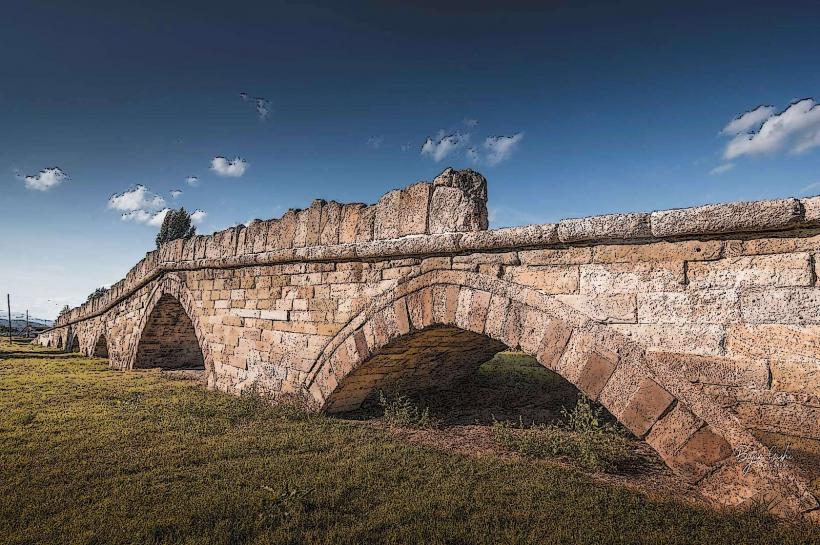
Local legend suggests that the castle was once connected to the nearby Stone Bridge (Ura e Gurit) via a secret underground tunnel used by the garrison during sieges. Another historical oddity is that the castle served as a prison during the late Ottoman period, and inscriptions from former inmates can still be found carved into some of the internal stone blocks.
Nearby Landmarks
Old Stone Bridge (Vushtrri): 0.4km Northwest
Gazi Mehmet Pasha Hammam: 0.2km South
Tekke of Baba Ali: 0.3km West
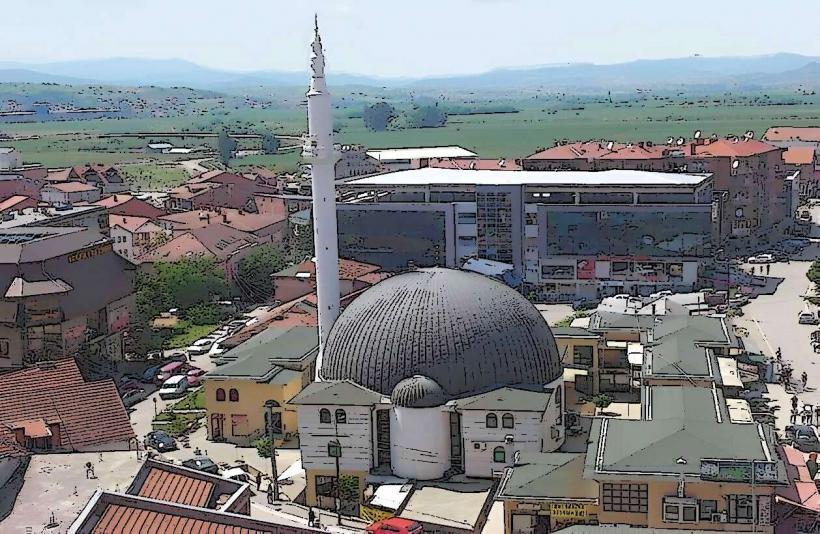
Mosque of Carshia: 0.15km East
Sitnica River: 0.5km West