Information
City: WoodstockCountry: USA Vermont
Continent: North America
Woodstock, USA Vermont, North America
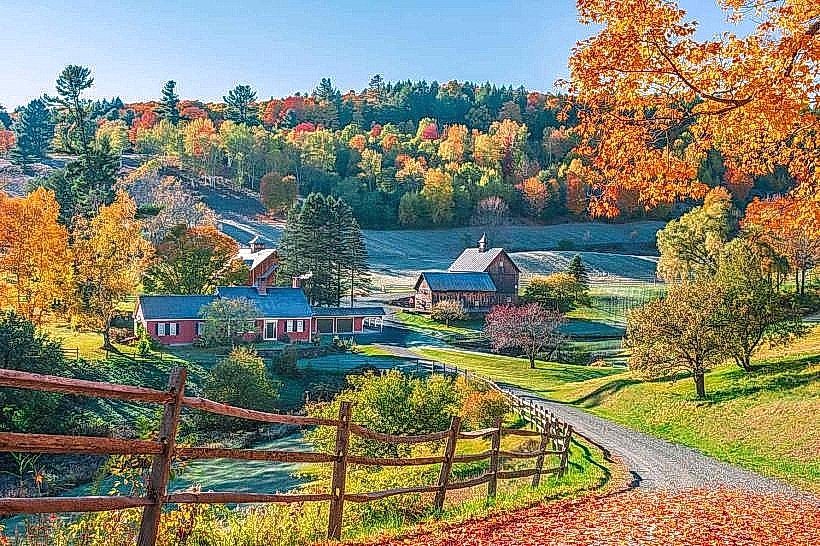
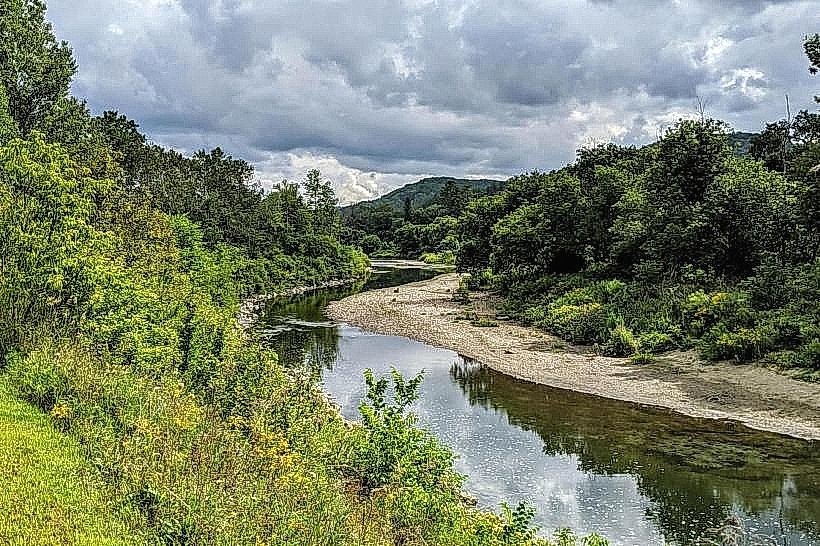
Woodstock is an incorporated village and the seat of Windsor County, situated along the banks of the Ottauquechee River. Often cited as the "Prettiest Small Town in America," it is defined by its impeccably preserved Federal-style architecture, its lack of commercial sprawl, and its history as a center of early American conservationism.
Historical Timeline
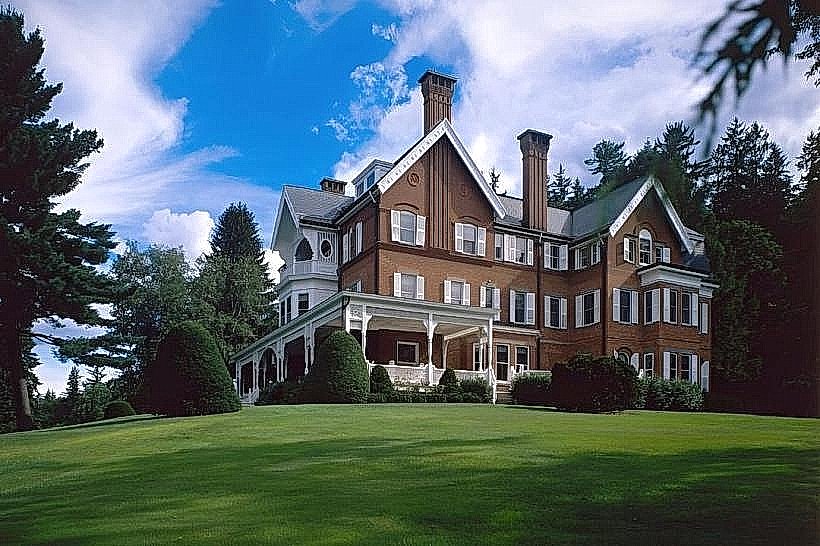
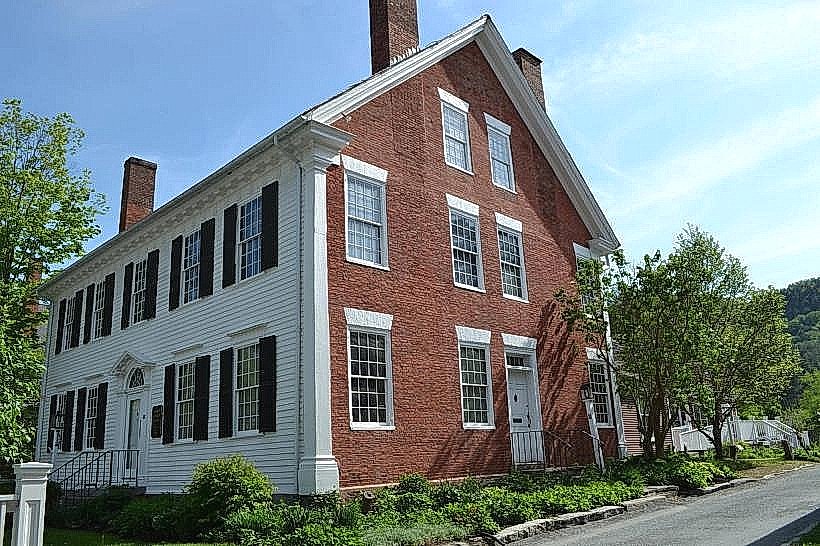
Inhabited by the Abenaki people. Chartered in 1761. A critical historical event occurred in 1807, when Woodstock became the county seat, attracting wealthy professionals who built the brick mansions that define the village today. In the late 19th century, resident George Perkins Marsh wrote Man and Nature, the foundational text of the American conservation movement. In 1934, the first ski tow in the United States was established at Gilbert’s Hill, launching the modern U.S. ski industry. In 2026, Woodstock remains a primary destination for heritage tourism and sustainable land management.
Demographics & Population
The 2026 population of the village is approximately 950 (town total ~3,000). The demographics are White (94%), Two or more races (3%), and Asian (1.5%). The economy is driven by High-End Tourism, Hospitality, Arts, and Agriculture (notably Billings Farm).
Urban Layout & Key Districts
Woodstock is a classic New England "shire town" centered on a central park.
The Green: A long, elliptical park surrounded by the Woodstock Inn, the courthouse, and historic churches.
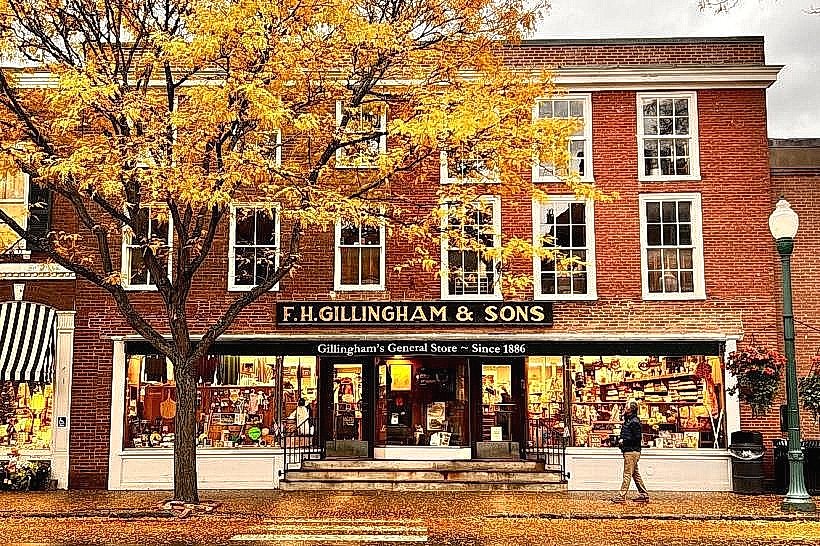
Central Street: The primary commercial district featuring independent galleries, high-end boutiques, and the historic town hall.
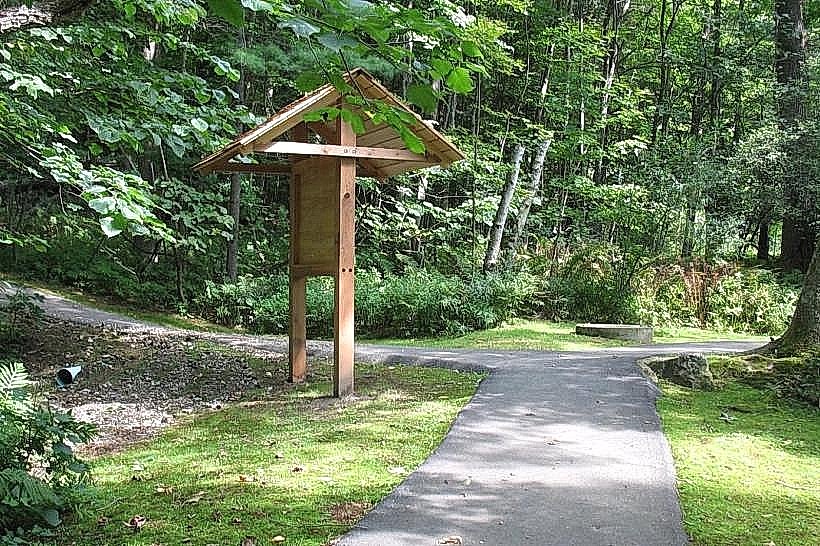
The Prosper District: A rural, agricultural corridor north of the village home to the Marsh-Billings-Rockefeller National Historical Park.
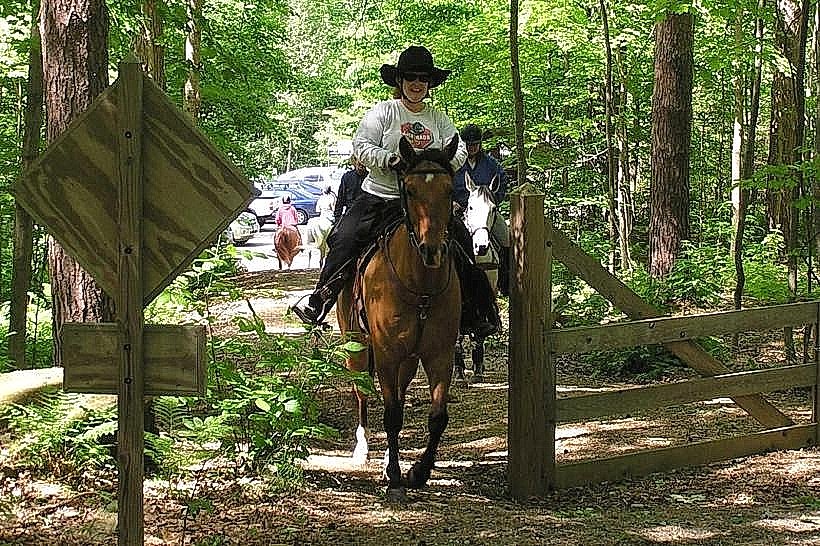
South Woodstock: A separate hamlet 8 km south, known for equestrian culture and the Green Mountain Horse Association.
Top City Landmarks
Marsh-Billings-Rockefeller National Historical Park: The only national park in Vermont, focused on the history of conservation and forest management.
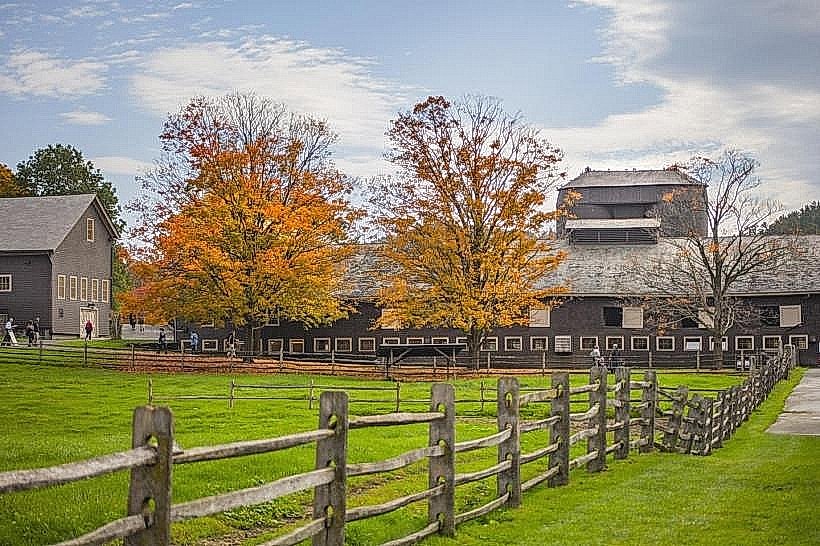
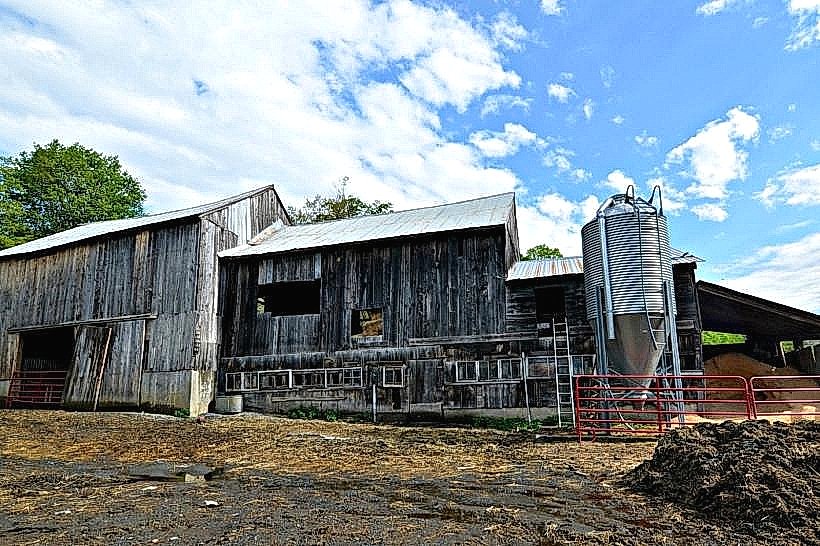
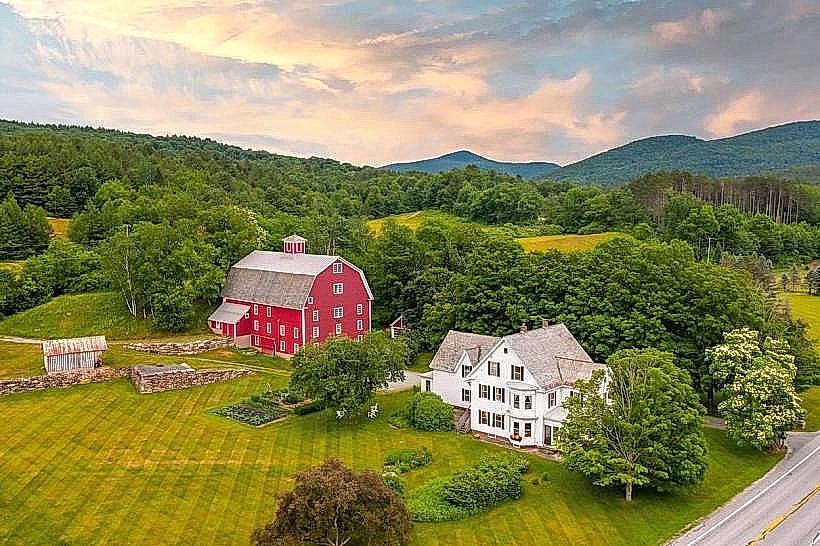
Billings Farm & Museum: A premier dairy farm and living history museum showcasing 19th-century Vermont farm life.
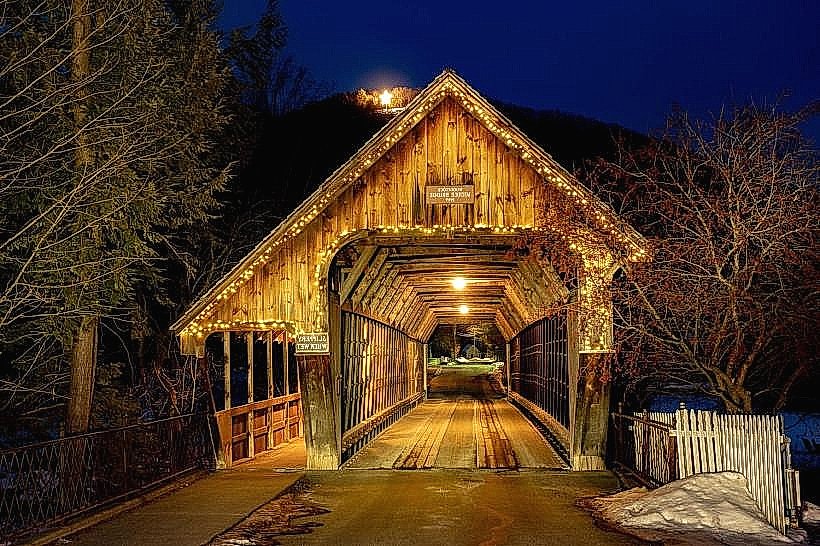
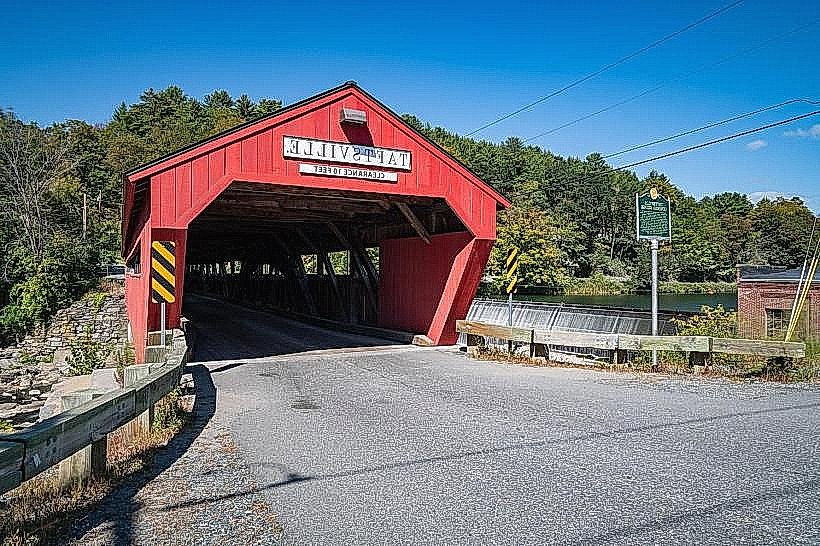
Middle Covered Bridge: A picturesque lattice-truss wooden bridge located in the heart of the village.
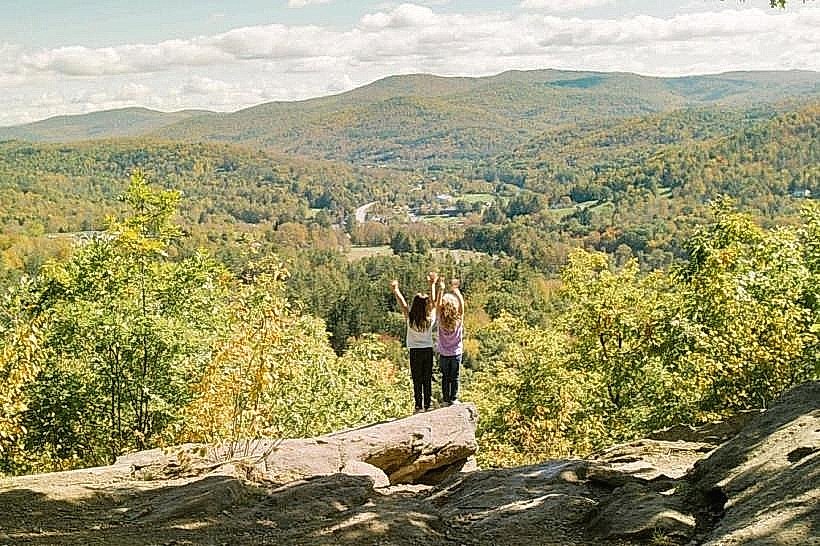
Mount Tom: Accessible via a network of carriage roads; the summit offers the iconic bird’s-eye view of the Woodstock Green.
Sugarbush Farm: A working farm famous for its wax-sealed cheddar cheese and maple syrup.
The Woodstock Inn & Resort: A historic luxury hotel originally established by the Rockefeller family, serving as the village's social anchor.
Transportation Network
Movement is automotive and highly pedestrian. Woodstock is situated at the intersection of US-4 and VT-12. There is no local public transit. Cape Air serves nearby Lebanon Municipal Airport (LEB) (25 km east) with flights to Boston and NYC. The nearest Amtrak station is in White River Junction (20 km east).
Safety & "Red Zones"
The general safety level is exceptionally high. Violent crime is statistically non-existent. Standard awareness is advised for vehicle safety at remote trailheads. Environmental hazards include spring flooding and heavy winter snowfall.
Digital & Financial Infrastructure
Internet speeds are high, with fiber-optic availability via ECFiber. Mobile service is generally reliable but can be blocked by terrain in the surrounding hills. Card acceptance is universal. Vermont has a progressive state income tax. Woodstock levies a 1% local option tax on meals and lodging.
Climate & Air Quality
Temperatures range from -13°C to -2°C in winter and 14°C to 26°C in summer. The valley location creates picturesque "morning mists" over the river. Air quality is pristine.
Culture & Social Norms
The standard tipping percentage is 20%. A "Refined-Rural" greeting is standard. Dress codes are "New England-Casual" (tweed, wool, and leather are common). The city is culturally defined by Heritage Preservation, Conservation, and Equestrianism.
Local Cost Index
1 Espresso: $5.25 (USD)
1 Standard Lunch: $24.00 (USD)
1 Billings Farm Admission: $17.00.
Nearby Day Trips
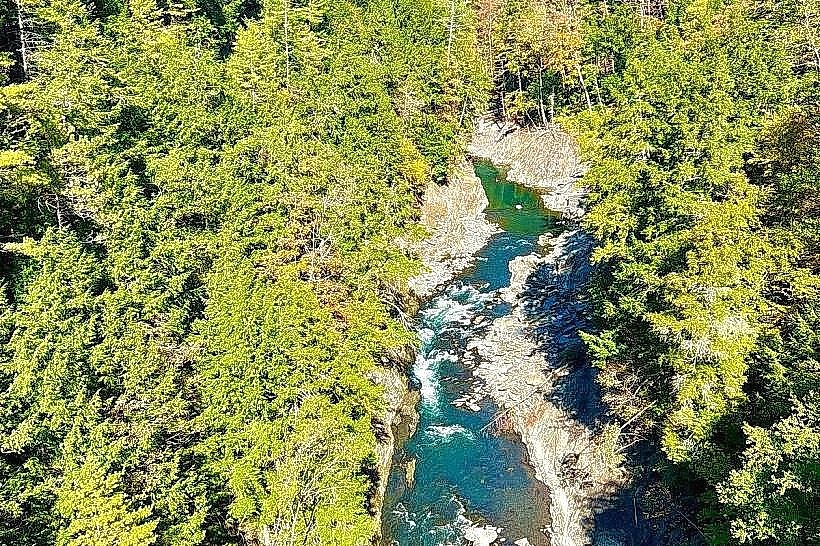
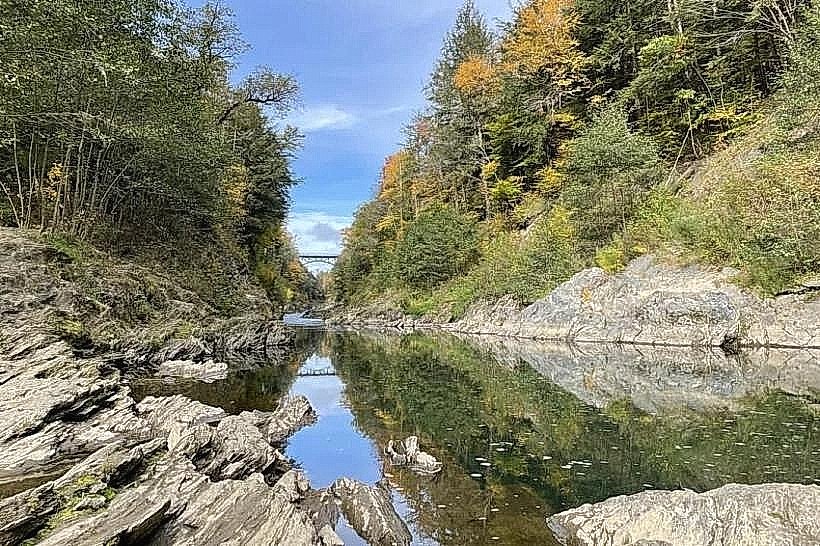
Quechee Gorge: (11 km east; known as the "Little Grand Canyon of Vermont").
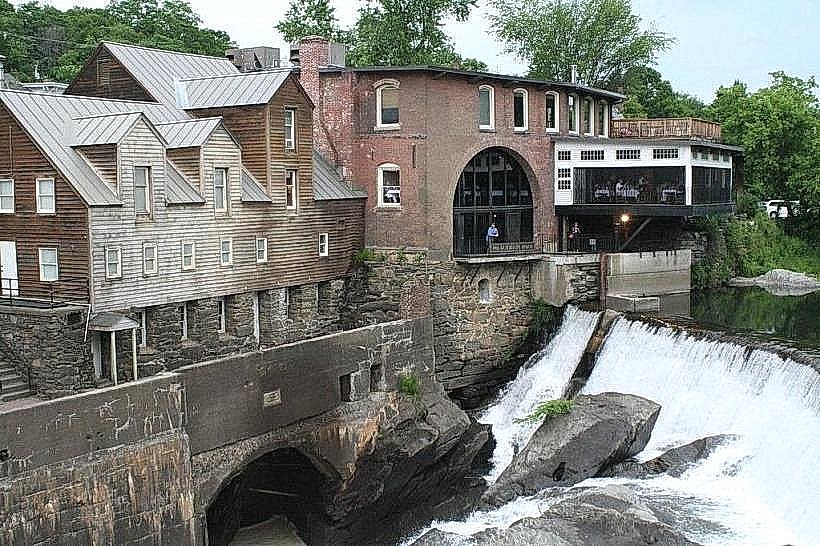
Simon Pearce: (12 km east; a world-famous glassblowing studio and restaurant overlooking a dam).
Dartmouth College: (30 km east in Hanover, NH).
Facts & Legends
Woodstock has four bells cast by the foundry of Paul Revere, more than any other town. Historically, the village was the site of the first "medical college" in Vermont. A local legend involves the "Woodstock Vampire," a 19th-century tale where residents supposedly dug up a deceased man and burned his heart to cure a family of consumption. Another legend concerns the "Hidden Tunnels," rumored to exist between the historic mansions on the Green, used either for the Underground Railroad or as secret passages for high-society scandals.