Information
City: ZaragozaCountry: Spain
Continent: Europe
Zaragoza, Spain, Europe
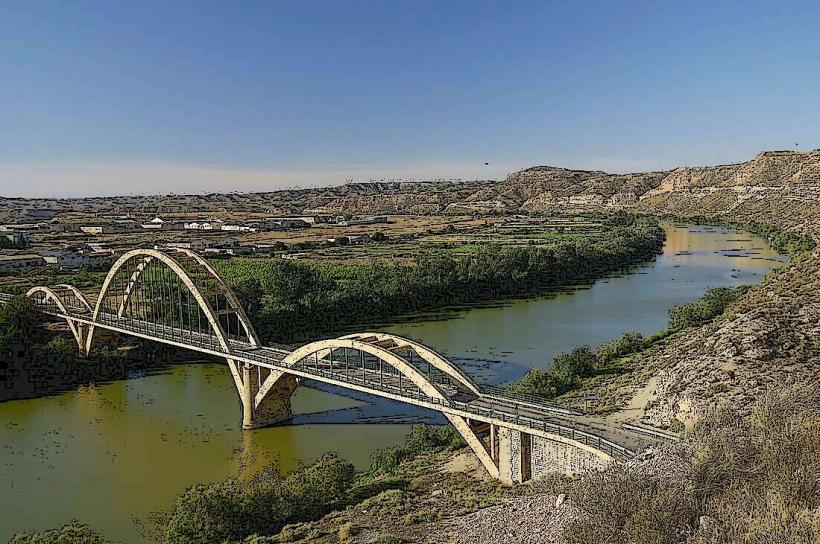
Zaragoza serves as the capital of the Aragon autonomous community and is Spain’s fifth-largest city. It is situated in the Ebro Valley at the confluence of the Ebro, Huerva, and Gállego rivers, positioned as a primary logistical crossroads between Madrid, Barcelona, Valencia, and Bilbao.
Historical Timeline
Founded by the Romans in 14 BC as Caesaraugusta, it served as a key administrative colony. Governance eras include the Visigothic, the Islamic Taifa of Saraqusta (714–1118), and the Crown of Aragon after its reconquest by Alfonso the Battler. The city is famous for the Sieges of Saragossa during the Peninsular War (1808–1809). Its modern urban form was significantly expanded for the Expo 2008, which focused on water and sustainable development and modernized the northern riverfront.
Demographics & Population
As of 2026, the city population is approximately 685,000, with a metropolitan area of 950,000. The primary ethnic demographic is Spanish, with an international population (approx. 12%) largely comprising residents from Romania, Morocco, and Latin America. The median age is 44.9 years.
Urban Layout & Key Districts
Casco Antiguo: The historical core containing Roman ruins and the primary religious sites.
El Tubo: A sub-district of the old town famous for its high density of narrow alleys and tapas bars.
Centro: The modern commercial heart, centered on the Paseo de la Independencia.
Delicias: The most populous and diverse residential district, home to the main transport hub.
Actur-Rey Fernando: A modern district in the north, developed primarily around the 2008 Expo site.
Top City Landmarks
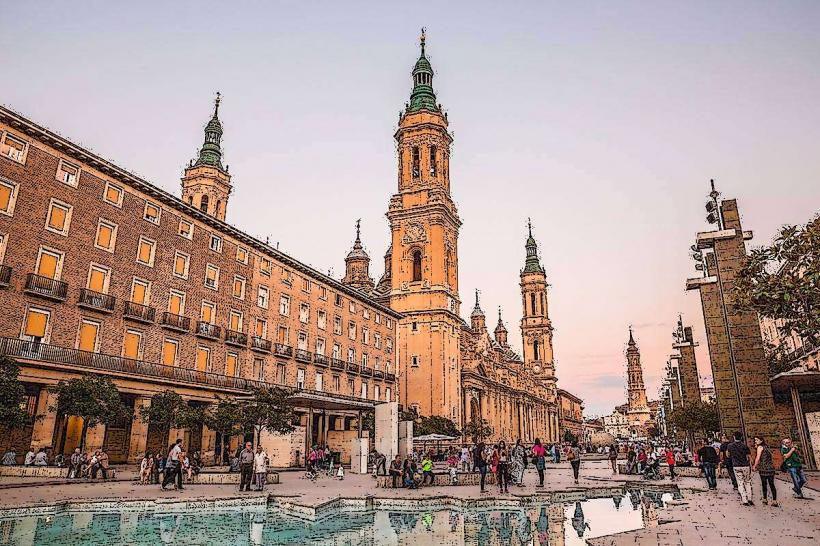
Basilica of Our Lady of the Pillar: A massive Baroque masterpiece and major pilgrimage site; the largest temple of its kind in Spain.
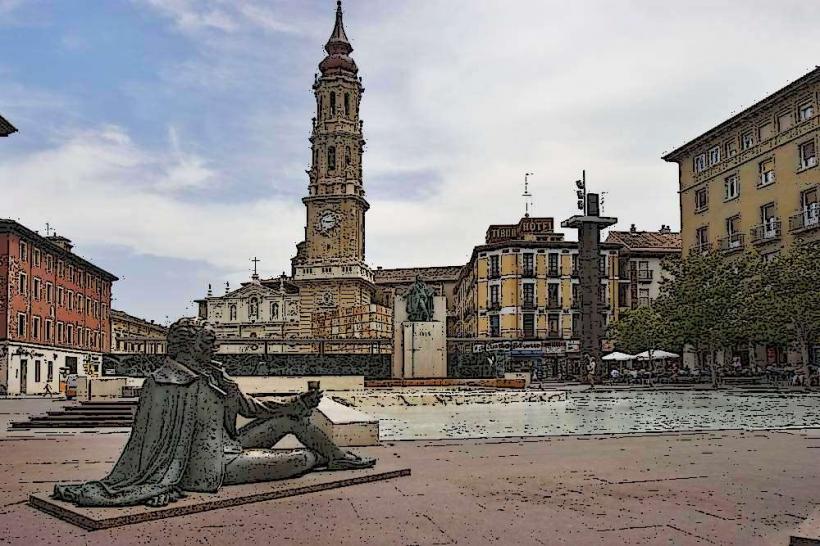
La Seo Cathedral (San Salvador): A UNESCO World Heritage site showcasing a fusion of Romanesque, Gothic, Mudéjar, and Baroque styles.
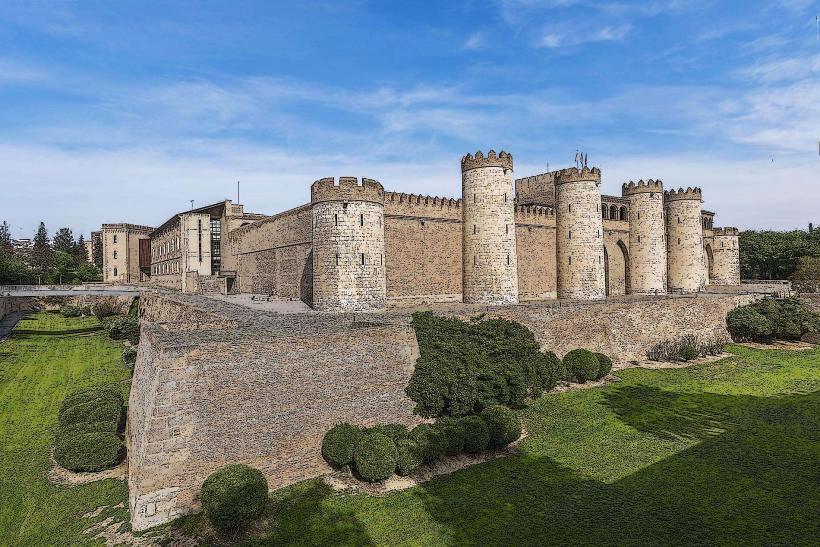
Aljafería Palace: An 11th-century fortified Islamic palace, the finest example of architecture from the Taifa period.
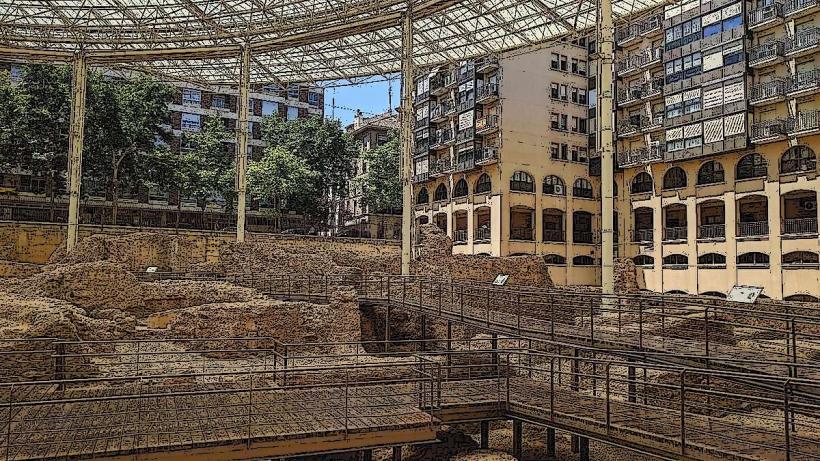
Roman Forum and Walls: Excavated remains of the 1st-century Roman colony, including the theater and thermal baths.
Stone Bridge (Puente de Piedra): A 15th-century bridge offering the definitive view of the Basilica.
Transportation Network
Public transit consists of a single north-south tram line (L1) and an extensive bus network (Avanza). Taxis are white with a blue stripe on the front doors. The primary ride-hailing app is PideTaxi; Uber and Cabify have limited presence. The Delicias station is a major high-speed rail (AVE) node, connecting to Madrid and Barcelona in approximately 1 hour 15 minutes.
Safety & "Red Zones"
Zaragoza is generally very safe. Standard precautions for pickpockets are necessary in the Plaza del Pilar and El Tubo. The Pignatelli area (near the Plaza de Toros) has seen recent increases in squatting and petty crime and should be navigated with caution at night.
Digital & Financial Infrastructure
Average fixed broadband speed is 240 Mbps. 5G coverage is universal via Movistar, Orange, and Vodafone. Card acceptance is 100% in all commercial areas. Following the Eurozone standard, the currency is the Euro (€). ATMs are abundant, particularly around the Plaza de España.
Climate & Air Quality
The climate is semi-arid continental. It is characterized by the Cierzo, a strong, cold, dry wind from the northwest. Summers are hot (19°C to 35°C); winters are cold, ranging from 2°C to 11°C. Air quality is generally high due to the Cierzo wind clearing atmospheric pollutants.
Culture & Social Norms
Language: Spanish (Castilian) is the official language.
Tipping: Not mandatory; rounding up or leaving €0.50–€1.00 at bars is standard.
Fiestas del Pilar: The city's primary festival, held in October, featuring the "Offering of Flowers."
Gastronomy: Known for Ternasco de Aragón (roasted lamb) and specialized tapas in El Tubo.
Accommodation Zones
Casco Antiguo / Centro: Recommended for tourism and nightlife.
Actur: Recommended for business travelers and those visiting the Congress Center.
Local Cost Index
1 Espresso: €1.50–€1.90
1 Standard Lunch (Menu del Día): €12.00–€16.00
1 Single Tram/Bus Ticket: €1.50
Nearby Day Trips
Monasterio de Piedra (110 km): A 12th-century monastery surrounded by a natural park with waterfalls.
Fuendetodos (45 km): The birthplace of Francisco de Goya.
Belchite (50 km): The preserved ruins of a town destroyed during the Spanish Civil War.
Tarazona (85 km): A historic town known for its Mudéjar cathedral and "hanging houses."
Facts & Legends
Local legend says the Virgin Mary appeared to the Apostle James on a pillar by the Ebro River in 40 AD, which led to the construction of the Basilica. A verified historical oddity: the leaning clock tower of Zaragoza (Torre Nueva) was once the most famous leaning tower in Europe after Pisa before it was demolished in 1892 for safety and urban expansion reasons.