Information
Country: NamibiaContinent: Africa
Namibia, Africa
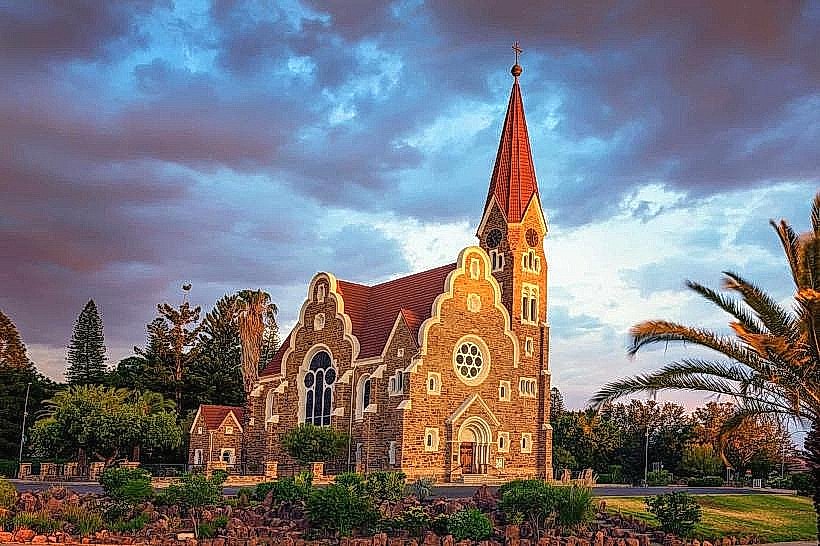
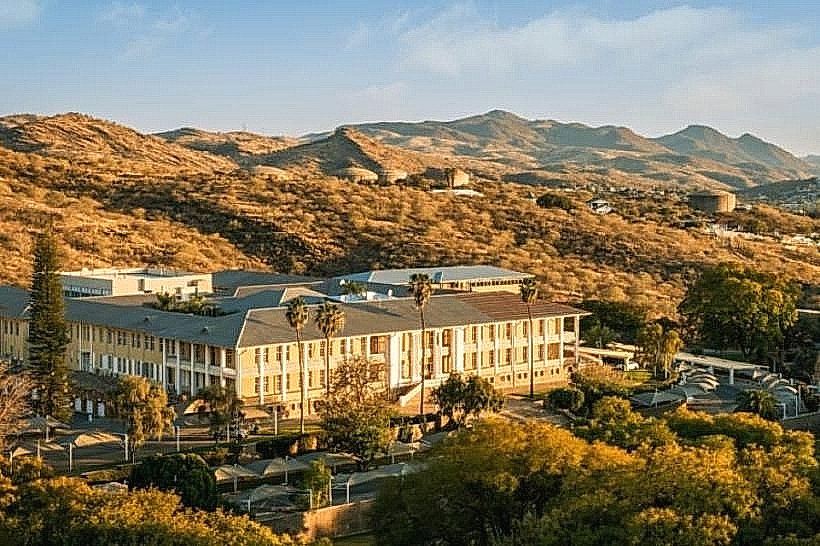
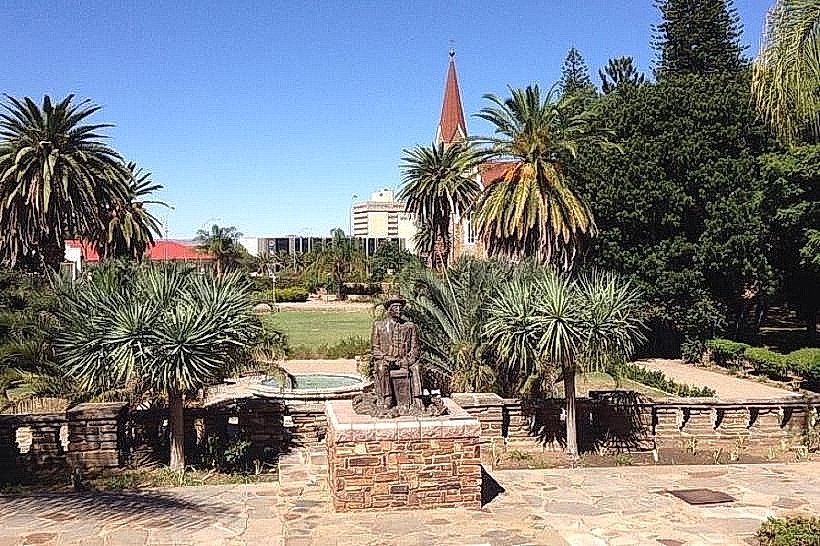
Namibia is situated in Southern Africa, sharing land borders with Angola and Zambia to the north, Botswana to the east, and South Africa to the south. The country is defined by its hyper-arid geography, specifically the Namib and Kalahari deserts, and maintains a resource-dependent economy centered on mining. The capital city is Windhoek.
History & Culture
Namibia gained independence from South African administration on March 21, 1990. The 20th century was marked by German colonial rule (1884–1915), characterized by the Herero and Namaqua genocide, followed by a period of South African occupation and the enforcement of apartheid. Approximately 80–90% of the population identifies as Christian, primarily Lutheran. Independence Day (March 21) is the most significant national holiday. Social etiquette emphasizes formal greetings and respect for the elderly; brief handshakes and the exchange of pleasantries are expected before beginning business or logistical discussions.
Language & Communication
The official language is English. English proficiency is high in urban centers, government, and the tourism sector, though it is the first language of less than 3% of the population. Dominant local languages include Oshiwambo (spoken by nearly 50% of households), Afrikaans (the primary lingua franca), and Khoekhoegowab (Nama/Damara).
Population & Economy
The population is approximately 3.1 million, making it one of the most sparsely populated nations globally. Roughly 53% of the population resides in urban areas. The top three export commodities are diamonds, uranium, and copper. The GDP per capita is approximately USD 4,500–5,000. The labor market is primarily driven by the services sector and mining, though a significant portion of the population remains engaged in subsistence agriculture.
Visa & Entry Policy
Citizens of the US, UK, and most EU countries can obtain a visa on arrival at Hosea Kutako International Airport and major land borders for tourism stays up to 90 days. An e-visa system is also operational for various nationalities. Passports must be valid for at least six months beyond the date of entry and contain at least three blank pages.
Currency & Payment Systems
The official currency is the Namibian Dollar (NAD), which is pegged 1:1 to the South African Rand (ZAR); both are legal tender. Credit cards (Visa and Mastercard) are accepted in hotels, large supermarkets, and fuel stations in urban areas. Cash is required for transactions in rural villages, local markets, and for tipping. ATMs are frequent in cities but scarce in remote desert regions.
National Transport Grid
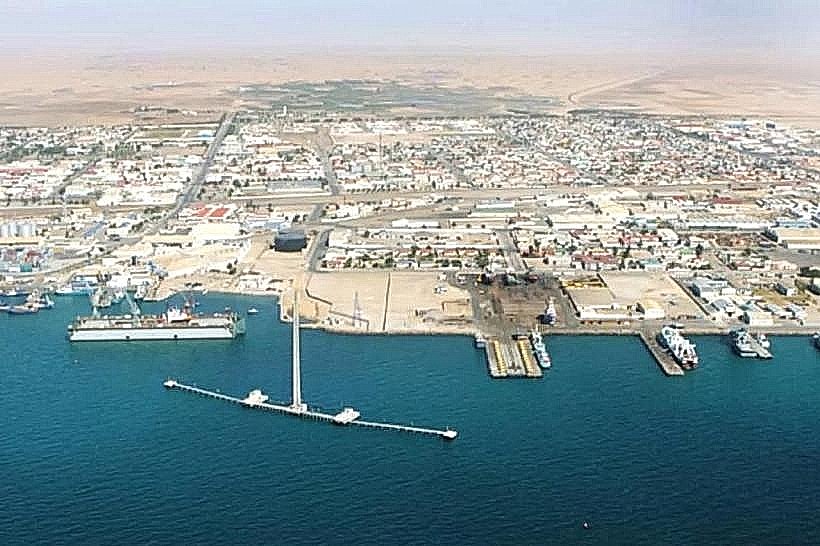
Intercity travel is primarily conducted via private vehicle or long-distance bus. Intercape is the main luxury bus operator linking Windhoek to regional hubs and neighboring countries. TransNamib operates a limited and slow passenger rail service, notably between Windhoek and Walvis Bay. Domestic flights are operated by FlyNamibia, connecting Windhoek (Eros Airport) to Ondangwa, Rundu, Katima Mulilo, and Walvis Bay.
Digital Infrastructure
MTC (Mobile Telecommunications Limited) is the dominant mobile provider, followed by Telecom Namibia (TN Mobile). 4G coverage is reliable in Windhoek, Swakopmund, and Walvis Bay, but signal drops significantly in remote desert areas and national parks. 5G is currently limited to specific urban pockets in the capital.
Climate & Seasonality
Namibia has a predominantly arid to semi-arid climate. The dry season runs from May to October, characterized by clear skies and cold nights. The wet season occurs from November to April, featuring high temperatures and sporadic, heavy thunderstorms. The northern Zambezi region is sub-tropical, while the coastal belt is influenced by the cold Benguela Current, causing frequent fog.
Health & Safety
There are no mandatory vaccines unless traveling from a Yellow Fever-endemic zone. Malaria is a high risk in the northern regions (Zambezi and Kavango) during the wet season. Dehydration and sun exposure are primary environmental risks. The emergency number for the Police is 10111; for Ambulance services in Windhoek, dial 211111.
Top Major Regions & Cities
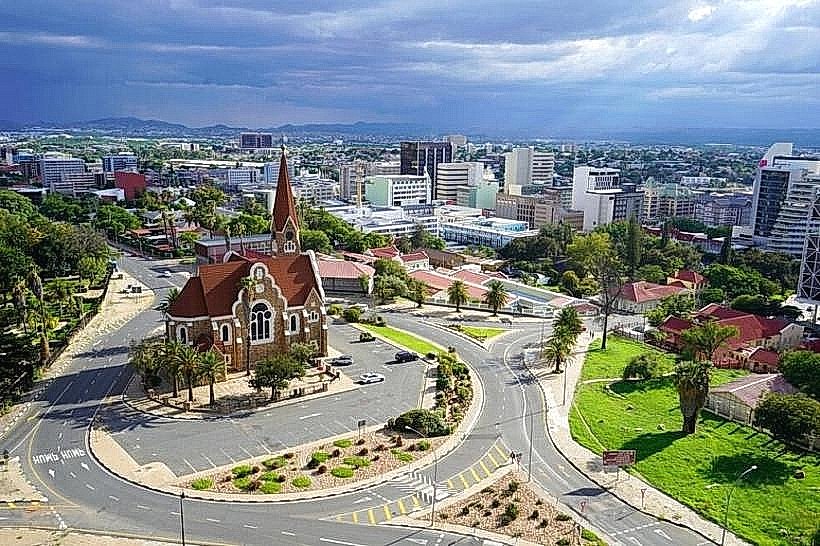
Central Highlands: The primary hub is Windhoek.
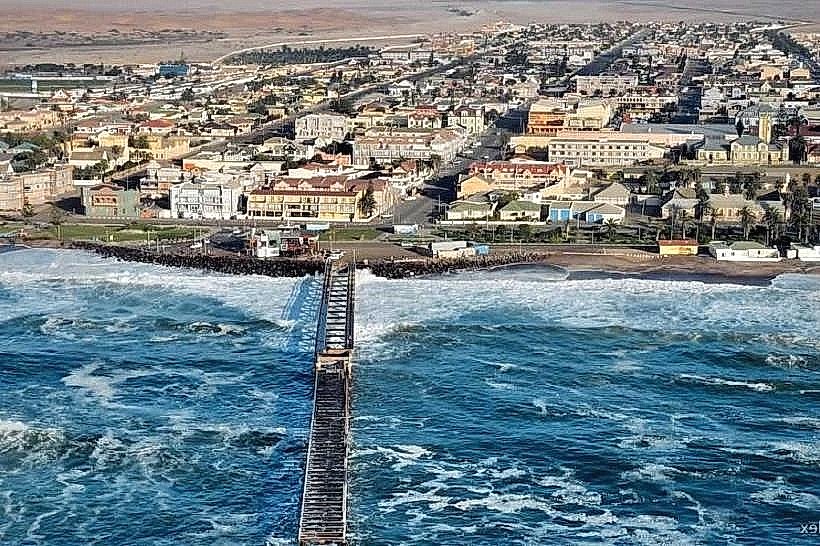
Erongo Region (Coast): The primary hub is Swakopmund.
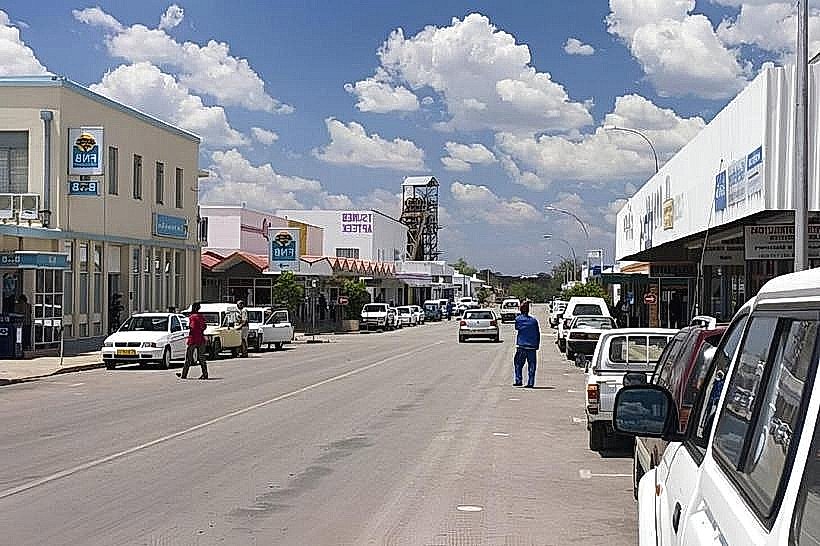
Etosha & North-Central: The primary hub is Tsumeb (access to Etosha National Park).
Namib-Naukluft: The primary hub is Sesriem (access to Sossusvlei).
Zambezi Region: The primary hub is Katima Mulilo.
Local Cost Index
1L Water: 15 NAD (USD 0.80)
1 Domestic Beer (500ml): 25–35 NAD (USD 1.35–1.90)
1 Sim Card (1GB Data Plan): 45 NAD (USD 2.45)
Facts & Legends
Namibia contains the Hoba Meteorite near Grootfontein, which is the largest known intact meteorite on Earth; it weighs over 60 tons and is composed of 84% iron. A localized legend among the San people suggests that the "Fairy Circles"-barren circular patches in the Namib Desert-are the footprints of gods or were caused by the poisonous breath of a dragon living beneath the earth's crust.