Information
Landmark: Aïn LahdjarCity: Setif
Country: Algeria
Continent: Africa
Aïn Lahdjar, Setif, Algeria, Africa
Overview
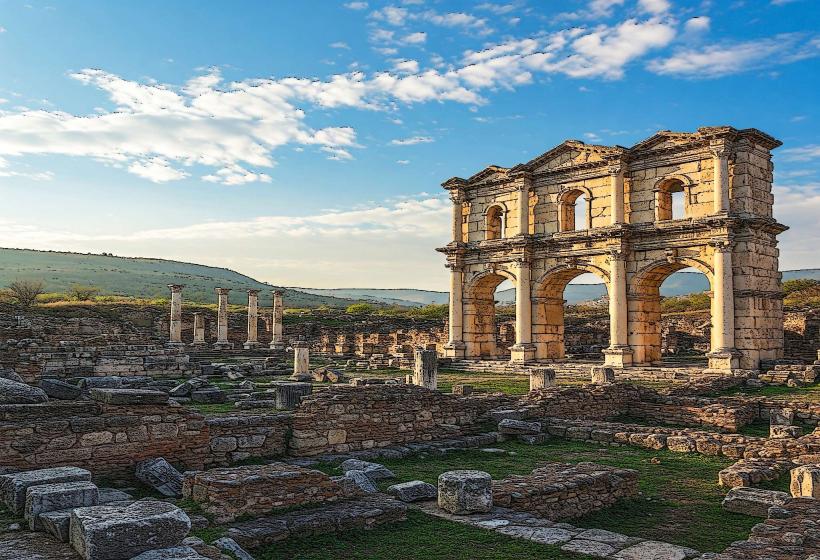
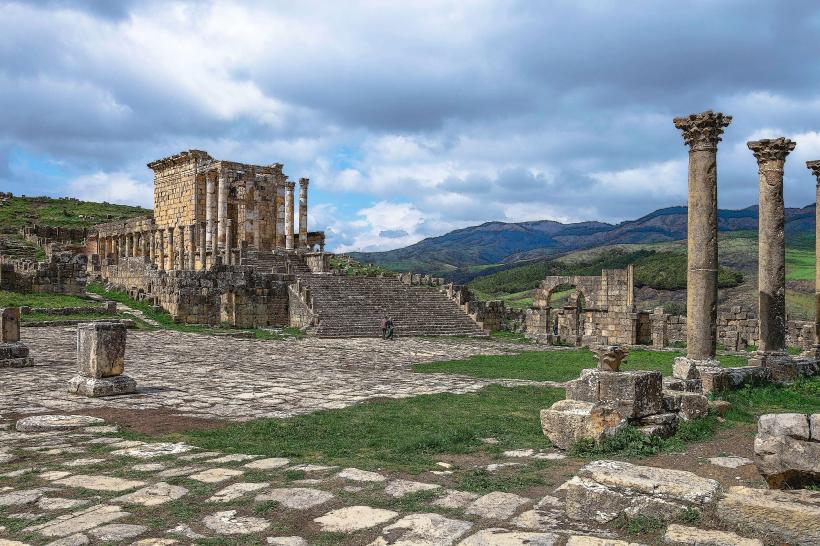
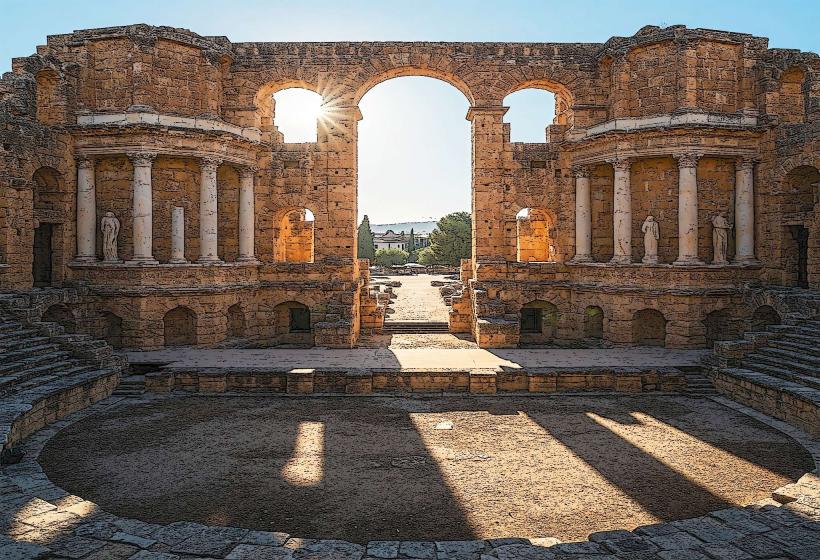
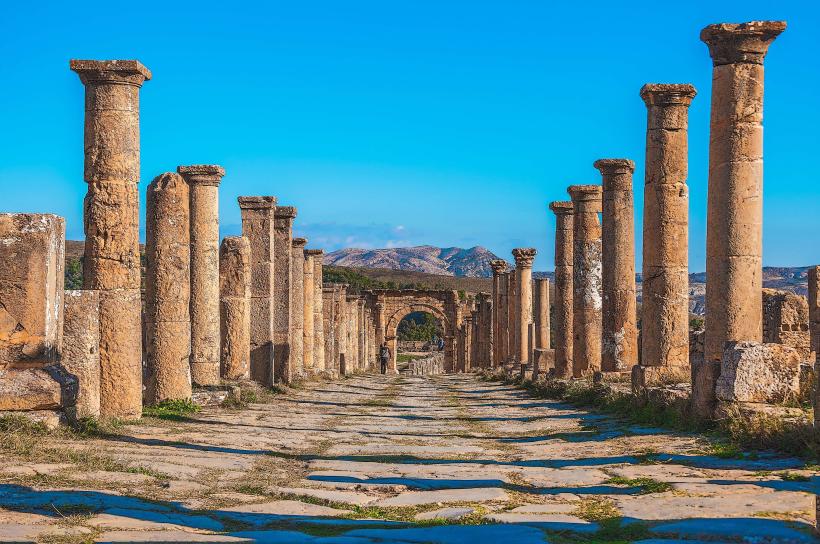
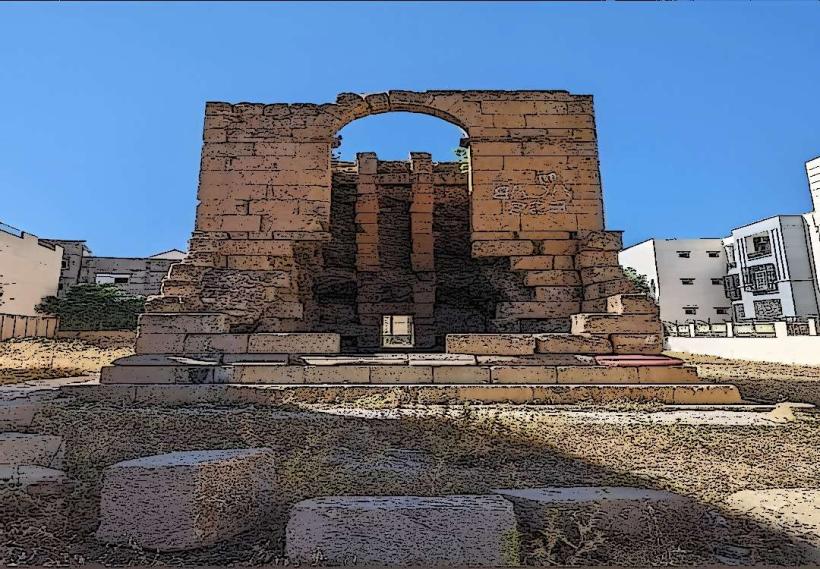
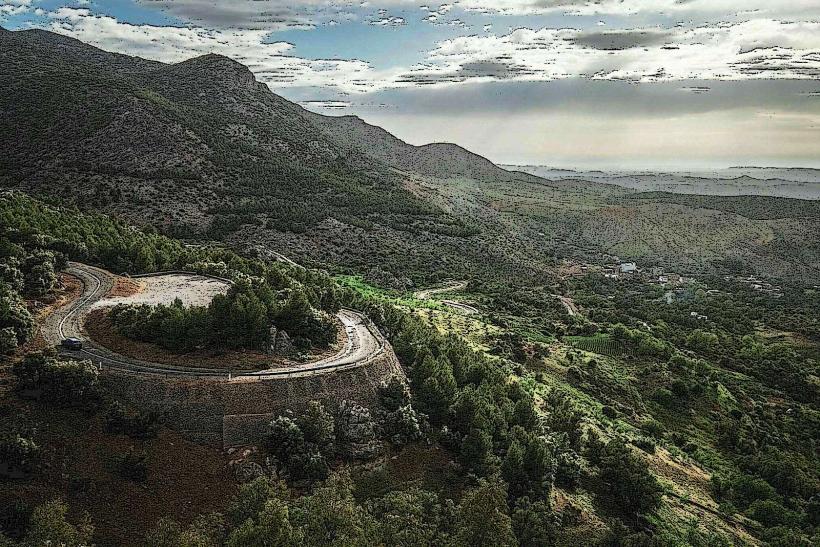
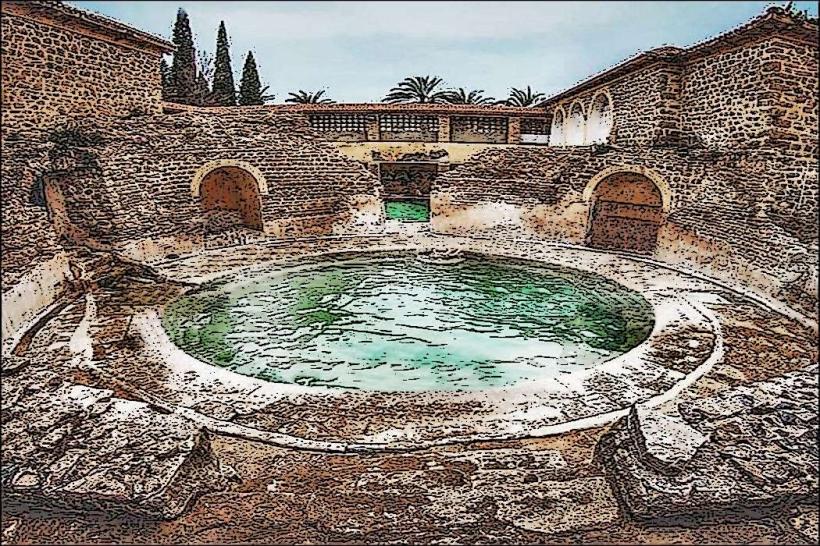
Aïn Lahdjar sits in northeastern Algeria, just a short drive from Sétif, where the air smells faintly of cedar after rain, subsequently the town’s known for its natural springs, crisp mineral water, and a history that lingers in its classical stone streets, for the most part Known for its rolling green hills and rich natural resources, the area now draws both locals and visitors eager to take it all in, in addition aïn Lahdjar is best known for its mineral springs, where clear, cool water bubbles up from the earth.The name “Aïn Lahdjar” translates to “spring of stones” or “spring of the stone quarry,” likely a nod to the clear, mineral-rich water locals have drawn from for centuries, subsequently the mineral waters of Aïn Lahdjar brim with calcium, magnesium, and sodium bicarbonate, giving them a crisp, clean taste and a reputation for soothing aches as well as quenching thirst.Bottling plants in the region turn out some of Algeria’s best-known mineral waters, crisp and freezing straight from the source, while people across the country refresh these waters, valued for easing digestive troubles and boosting overall health, with a crisp, mineral taste that lingers on the tongue.People in Aïn Lahdjar prize its waters for their healing touch, using them in traditional remedies, sometimes as simply as soaking aching feet in the warm spring, after that along with its mineral springs, Aïn Lahdjar draws visitors for its scenic beauty, from rolling green hills to the shimmer of sunlight on clear water.Rolling hills and thick green trees wrap around the area, drawing in nature lovers and hikers who come to breathe the fresh, pine-scented air, alternatively the spring sits within a wide stretch of countryside, perfect for spreading a blanket under the shade of an aged oak, sharing a picnic, or heading out for a day of fresh-air adventures.As it turns out, Locals love it for its calm, where the air feels still and the noise of the city fades to a murmur, in turn the site’s known as a health retreat, drawing visitors who sip the crisp spring water and unwind in the quiet, pine-scented air.Aïn Lahdjar isn’t just a stunning natural site-it also holds a deep history, whispered through weathered stone and heritage footpaths, meanwhile the region lies in a region steeped in history, where crumbling Roman walls still stand beside traces of even older civilizations that once called it home.The natural springs of Aïn Lahdjar, along with nearby landmarks, help shape the rich cultural heritage of the Sétif region, where cool water runs over smooth stones, while the town, now drawing more tourists each year, has added novel paths, signs, and other changes to make it easier and friendlier for visitors to explore.The area also supports local farming, with olive trees twisting in the sun and rows of vineyards stretching over the hills, adding to the region’s agricultural importance, in conjunction with over time, Aïn Lahdjar has upgraded its roads, pipes, and public spaces, driven by rising demand for its crisp mineral water and a surge of visitors drawn to its green hills and clear springs.Local authorities have been working to boost tourism, adding hotels with dazzling lobby lights, relaxing spas, and bustling restaurants to welcome visitors, along with because of this, the area’s steadily turning into a hotspot, drawing visitors from nearby cities and travelers from overseas who come for its radiant markets and sea-salt air.Aïn Lahdjar stands out in Algeria for its mineral springs and breathtaking scenery, where warm, clear water bubbles up beside rugged hills, moreover aïn Lahdjar draws visitors with its soothing mineral waters and the sight of green hills rolling into the distance, offering rich cultural experiences alongside plenty of ways to unwind, moderately For anyone drawn to Algeria’s natural heritage, it’s now a must-visit-a site where you can wander among centuries-antique stone walls, breathe crisp mountain air, and find a peaceful retreat that’s as restorative as it is steeped in history.
Author: Tourist Landmarks
Date: 2025-09-20