service

Djemila | Setif


Information

Landmark: Djemila
City: Setif
Country: Algeria
Continent: Africa

Djemila, Setif, Algeria, Africa

Overview

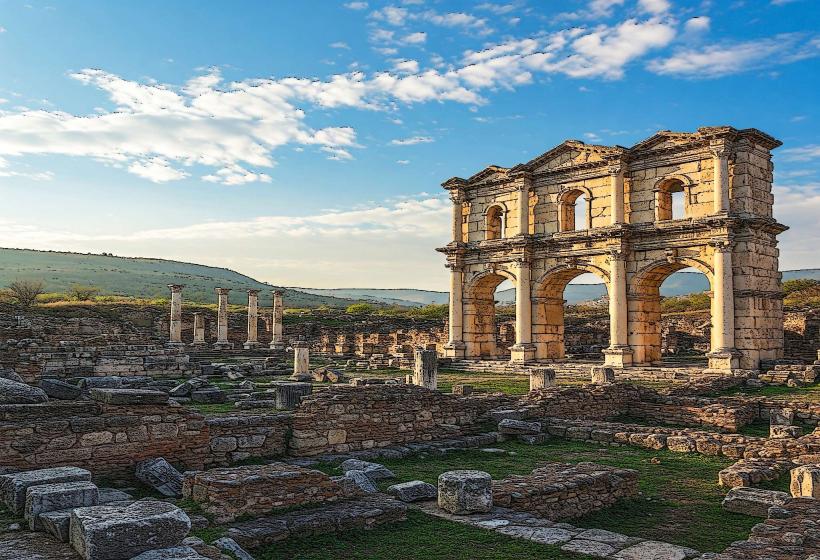
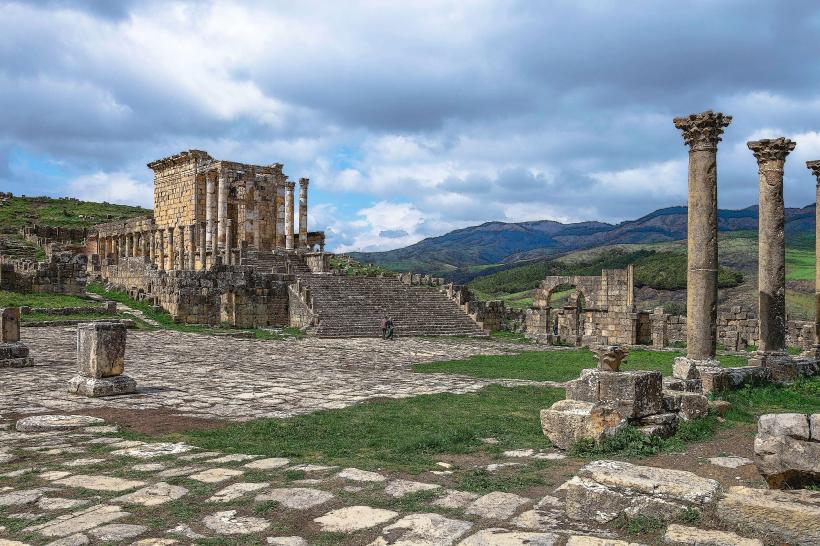
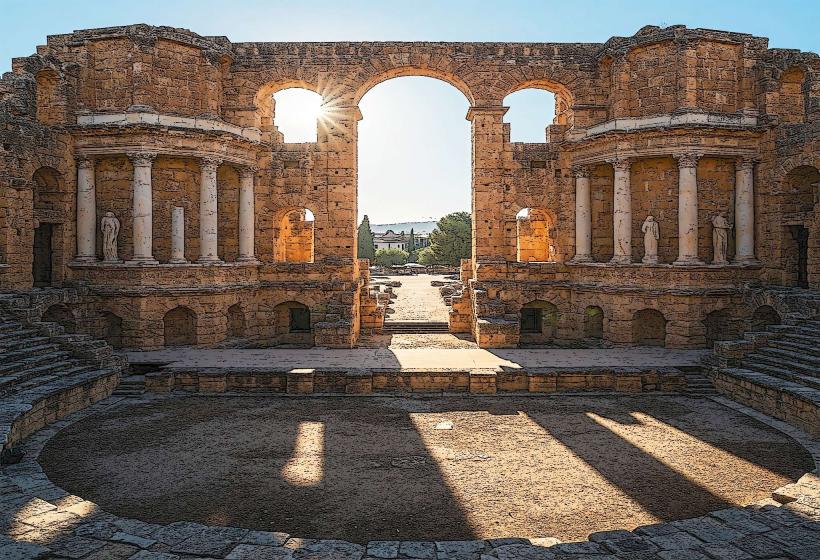
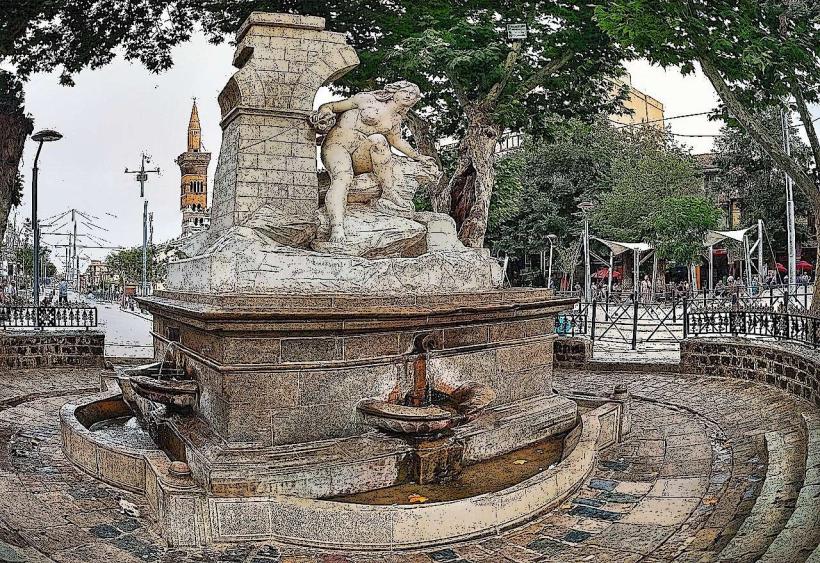
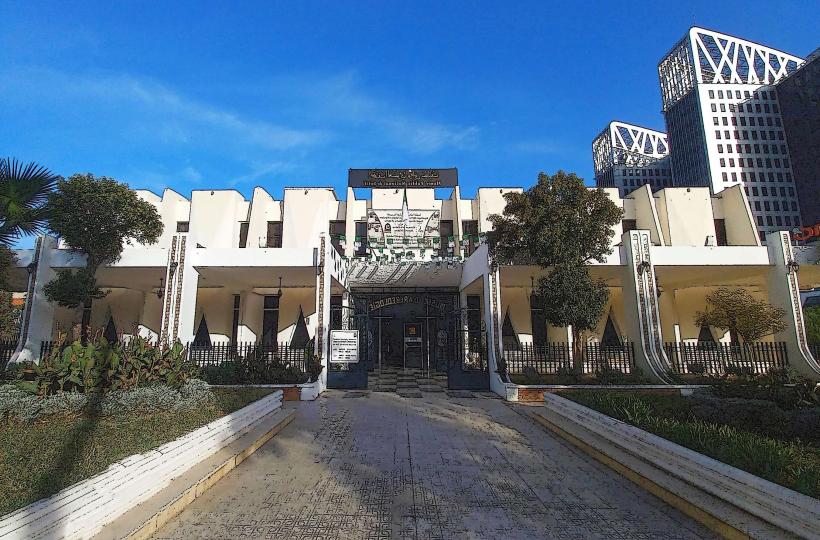
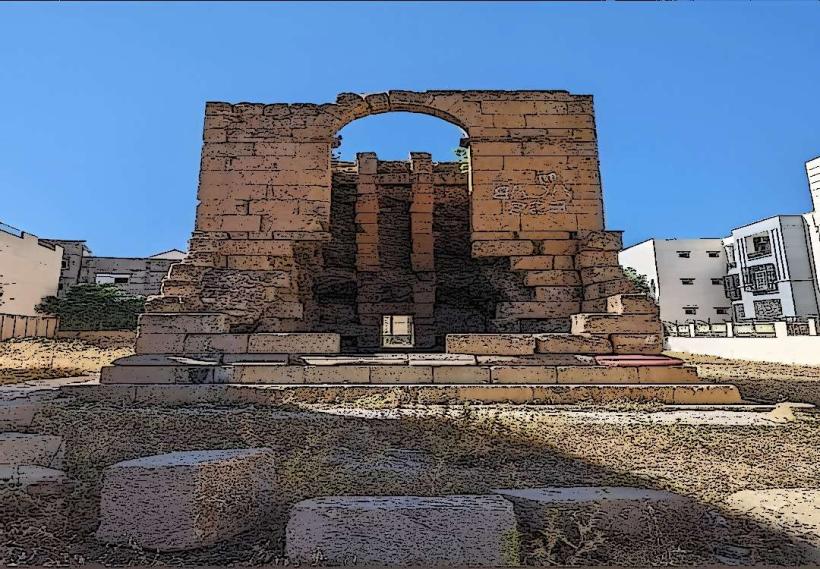
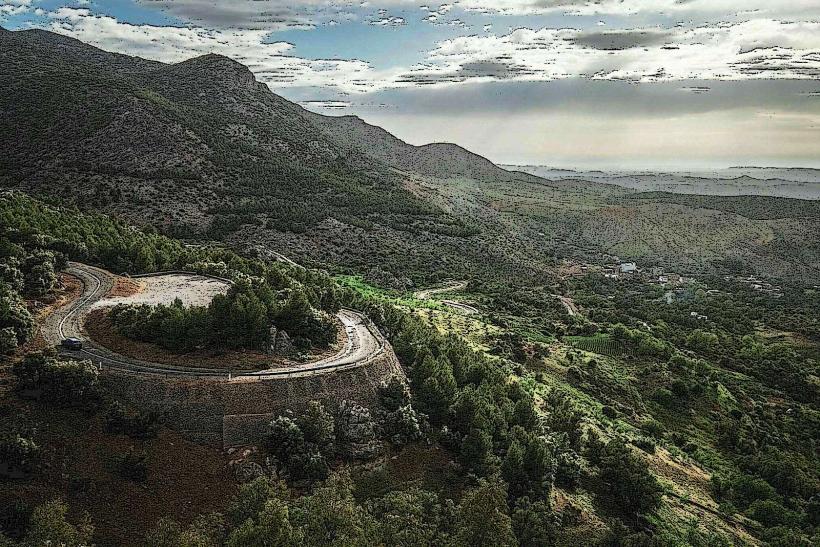
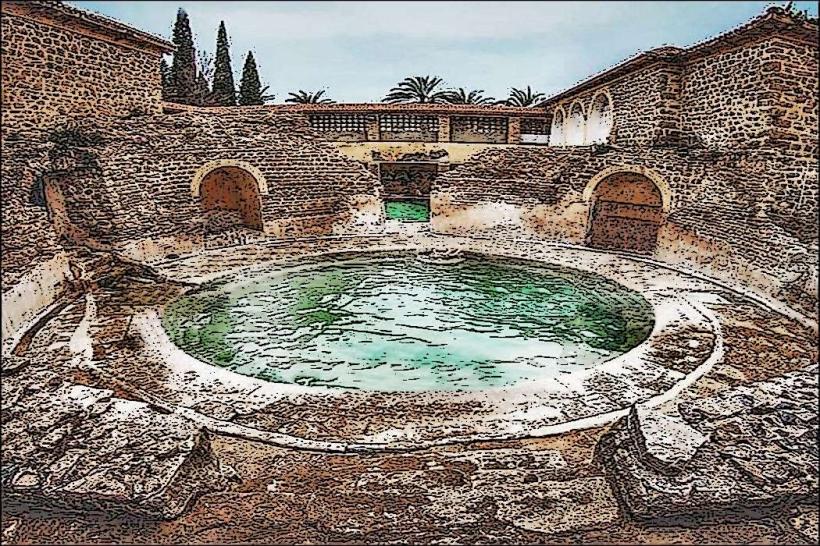
In Algeria, Sétif and Djemila stand out for their deep historical roots, vibrant culture, and remarkable archaeological treasures, from weathered Roman columns to ancient stone streets, what’s more here’s a closer view at both-picture the first one with a faint scratch along the edge.Sétif sits in northern Algeria, tucked into the Tell Atlas mountains, and serves as the capital of Sétif Province, on top of that it’s one of Algeria’s most storied cities, where weathered stone streets recall ancient empires and its spirit still shapes the nation today.Sétif’s roots stretch deep into the past, reaching back to the days when Roman roads cut across its hills, and back in antiquity, people knew it as Sitifis, a bustling Roman city where stone streets baked in the sun.The town was a key center in the Roman province of Numidia, later thriving in the Empire as a bustling crossroads for merchants and the steady march of soldiers, moreover in the 20th century, Sétif saw pivotal political moments during the Algerian War of Independence, including tense street protests that echoed through its winding alleys.safeThe city’s economy leans heavily on farming, with golden fields of grain, rows of olive trees, and orchards bursting with ripe fruit.Sétif sits in one of Algeria’s richest farming regions, where green fields stretch for miles, and it’s become a key hub for agriculture, simultaneously besides farming, Sétif is building a strong industrial base, with busy textile mills and the smell of fresh bread from food plants playing a vast role in its economy, perhaps The Sétif Archaeological Museum stands as one of the city’s key landmarks, showcasing artifacts from its Roman past-sculptures worn smooth by time, vibrant mosaics, and carved inscriptions that speak to Sétif’s importance in antiquity, to boot the National Park of Tassili n'Ajjer isn’t in Sétif itself, but it lies within the wider region and is famed for prehistoric rock art and striking sandstone cliffs carved by wind and time.It appears, The Monument of the Martyrs stands high over Algiers, a stark reminder of the fight for independence, honoring those who fell during the long years of colonial rule, along with number two.Djemila, once a thriving Roman city near Sétif, stands today as one of North Africa’s best-preserved archaeological treasures, with weathered stone arches still catching the late afternoon sun, to boot people still call it Timgad, the Roman city it used to be, where rows of ancient stone columns catch the afternoon light, and it’s recognized as a UNESCO World Heritage Site, for the most part Just so you know, Around 100 AD, Roman Emperor Trajan built the city of Djemila as a military outpost, setting it among Numidia’s rugged hills and making it part of the province, as a result they laid it out in the classic Roman grid-broad streets running straight as a spear, a bustling forum at the center, temples rising in white stone, and a theater open to the sun.Roman Significance: In the 2nd and 3rd centuries, Djemila bustled with life, its stone streets echoing with traders’ voices as it stood as both a strategic stronghold and a vibrant cultural center, simultaneously the city was carefully laid out, its straight roads and stone arches showing the precision of Roman design and the order of their urban planning, generally Decline and Abandonment: In the 5th century AD, the city’s fortunes sank, battered first by Vandal invasions and then by the collapse of the Roman Empire, meanwhile in time, people walked away from it, and the crumbling walls vanished beneath weeds and dust until explorers stumbled on them again in the 19th century.Djemila stands out for its remarkably intact Roman ruins, from a stone theater where rows of seats still climb the hillside to the grand Capitolium temple, public baths, basilicas, and sturdy city gates, also you can still trace the city’s heritage grid, its streets flanked by weathered columns and slabs of pale stone underfoot.Djemila is known for its stunning Roman mosaics-intricate scenes of gods, hunters, and vineyards-still visible among the ruins or displayed in the Sétif Archaeological Museum, in turn these mosaics show everyday moments, mythic tales, and glimpses of the natural world-like a fisherman hauling in his catch-offering a vivid peek into Roman life in North Africa.Believe it or not, The Roman theater in Djemila stands out, with stone tiers that once held thousands of spectators, also the temples, especially the Temple of the Arch of Trajan with its weathered stone arches, stand as striking examples of Roman religious architecture.Public Buildings: Crumbling baths still echo with past chatter, and basilicas stand in partial shadow, hinting at the vibrant public life and intricate networks that once defined Roman cities, not only that a trip to Djemila, a major archaeological treasure in Algeria, lets you wander among sun‑warmed Roman ruins that draw visitors from around the world.It draws visitors who come for the stories of ancient Rome, the arches and columns worn smooth by time, and the rich tapestry of its culture, while the site is beautifully preserved, and guides lead visitors through crumbling stone arches and sunlit courtyards, offering a vivid glimpse into life in Roman North Africa, relatively In 1982, UNESCO named Djemila a World Heritage Site, recognizing its remarkably intact Roman streets and stone buildings, meanwhile in conclusion, Sétif brims with layers of history, from Roman-era stones worn smooth by centuries to its vital role in Algeria’s struggle for independence.It’s a hub for farming and trade, with weathered stone arches and other landmarks that tie Algeria to its ancient roots, moreover just outside Sétif, Djemila reveals vivid traces of Roman life-from worn stone streets to the careful grid of its ancient city.With its ruins still standing tall and sharp against the desert light, it ranks among Algeria’s most fundamental archaeological sites and draws history lovers from far and wide, furthermore sétif and Djemila together open a vivid window onto Algeria’s past, from weathered Roman arches to the echoes of more recent history.
Author: Tourist Landmarks
Date: 2025-09-20


Location

Get Directions


Rate it

You can rate it if you like it


Share it

You can share it with your friends


Contact us

Inform us about text editing, incorrect photo or anything else

Contact us

Landmarks in Setif

Roman Ruins of Djemila
Landmark

Roman Ruins of Djemila

Setif | Algeria
Museum of Djemila
Landmark

Museum of Djemila

Setif | Algeria
Roman Theater of Sétif
Landmark

Roman Theater of Sétif

Setif | Algeria
Ain El Fouara Fountain
Landmark

Ain El Fouara Fountain

Setif | Algeria
Museum of Setif
Landmark

Museum of Setif

Setif | Algeria
Mausoleum of Setif
Landmark

Mausoleum of Setif

Setif | Algeria
Great Mosque of Setif
Landmark

Great Mosque of Setif

Setif | Algeria
Aïn Lahdjar
Landmark

Aïn Lahdjar

Setif | Algeria
Taza National Park
Landmark

Taza National Park

Setif | Algeria
Roman Baths of Timgad
Landmark

Roman Baths of Timgad

Setif | Algeria


Latest Landmarks

Dzongdrakha Temple

Paro | Bhutan

Rangjung Monastery

Trashigang | Bhutan

Pele La Pass

Wangdue Phodrang | Bhutan

Ritsha Village

Punakha | Bhutan

Pelseling Monastery

Bumthang | Bhutan

Mebar Tsho (Burning Lake)

Bumthang | Bhutan

Tourist Landmarks ® All rights reserved