Information
Landmark: Alabama TheatreCity: Birmingham
Country: USA Alabama
Continent: North America
Alabama Theatre, Birmingham, USA Alabama, North America
The Alabama Theatre is a historic movie palace located in Birmingham, Alabama, USA.
It was originally built as a vaudeville house and later transitioned to showing films.
Visual Characteristics
The theatre's exterior features a terra cotta facade with Gothic Revival architectural elements. The interior is characterized by ornate plasterwork, gilded details, and a large Wurlitzer organ. The main auditorium seats approximately 1,000 patrons.
Location & Access Logistics
The Alabama Theatre is situated at 1817 Third Avenue North in downtown Birmingham. It is approximately 1 mile from the city center. On-street parking is available, and several parking garages are located within a two-block radius. Public transport options include various bus routes that stop along Third Avenue North.
Historical & Ecological Origin
Construction of the Alabama Theatre began in 1925 and was completed in 1927. It was designed by the architectural firm Graven & Mayger. The theatre was originally intended as a venue for live performances and motion pictures.
Key Highlights & Activities
The theatre hosts a variety of events, including film screenings, concerts, and live performances. Visitors can attend scheduled public tours of the building. The Mighty Wurlitzer organ is played before many performances.
Infrastructure & Amenities
Restrooms are available within the theatre. Limited concession stands operate during events. Cell phone signal (4G/5G) is generally available inside the building. No food vendors are permanently located within the theatre itself, but numerous restaurants are in the surrounding downtown area.
Best Time to Visit
The best time to visit is during scheduled public tours or for specific events. Evening performances offer a classic theatre experience. The theatre is operational year-round, with event schedules varying monthly.
Facts & Legends
A persistent local anecdote suggests that the theatre is haunted by the ghost of a former employee. The theatre's marquee is a recognized city landmark.
Nearby Landmarks
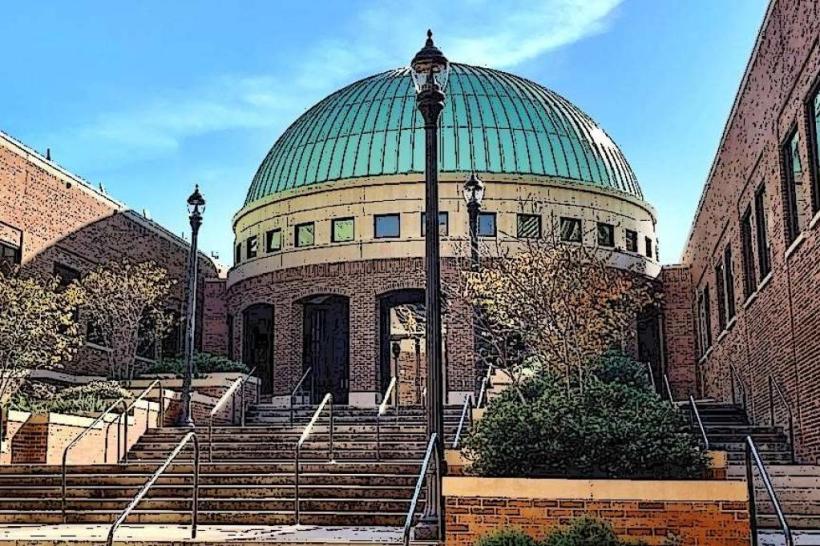
- Birmingham Civil Rights Institute (0.3km West)
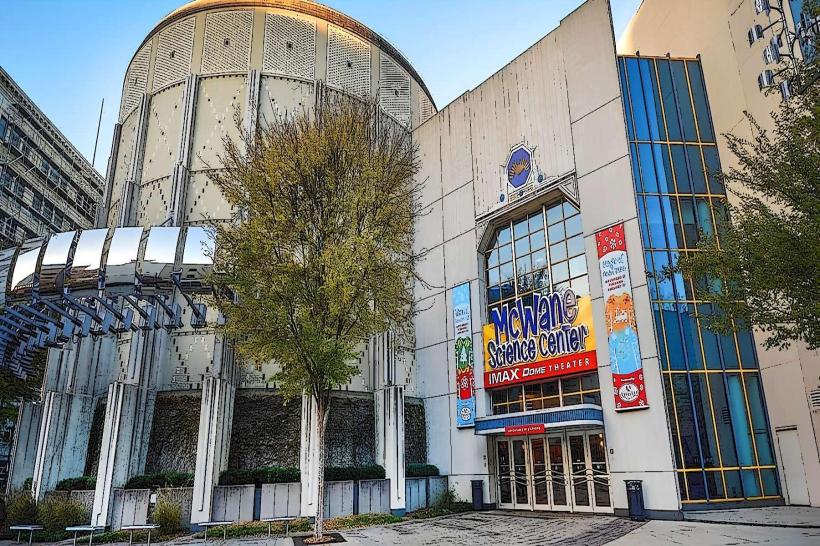
- McWane Science Center (0.4km Southwest)
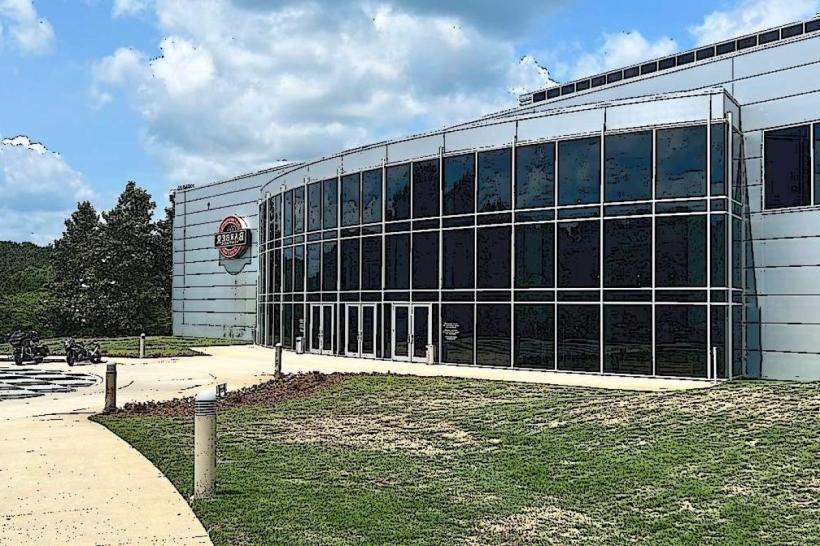
- Barber Vintage Motorsports Museum (8km Southeast)
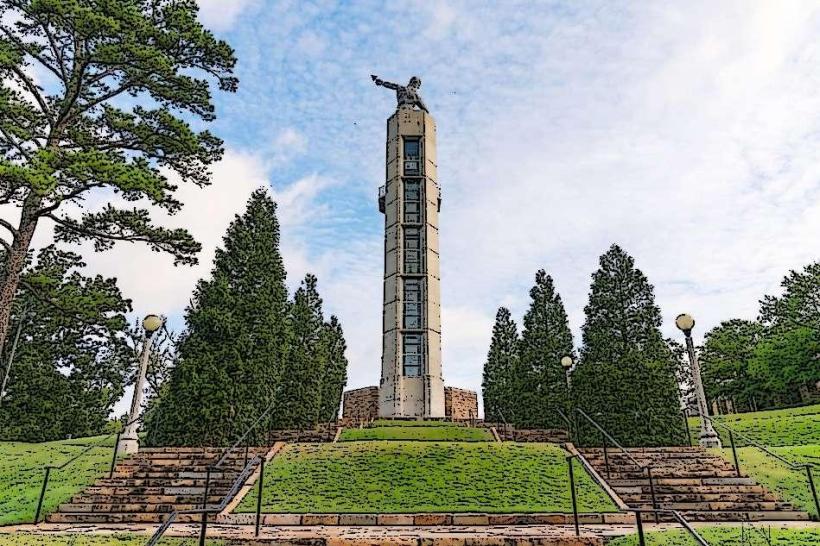
- Vulcan Park and Museum (2.5km Southwest)
- Rickwood Field (3.2km West)