Information
Landmark: Bangudae PetroglyphsCity: Ulsan
Country: South Korea
Continent: Asia
Bangudae Petroglyphs, Ulsan, South Korea, Asia
Overview
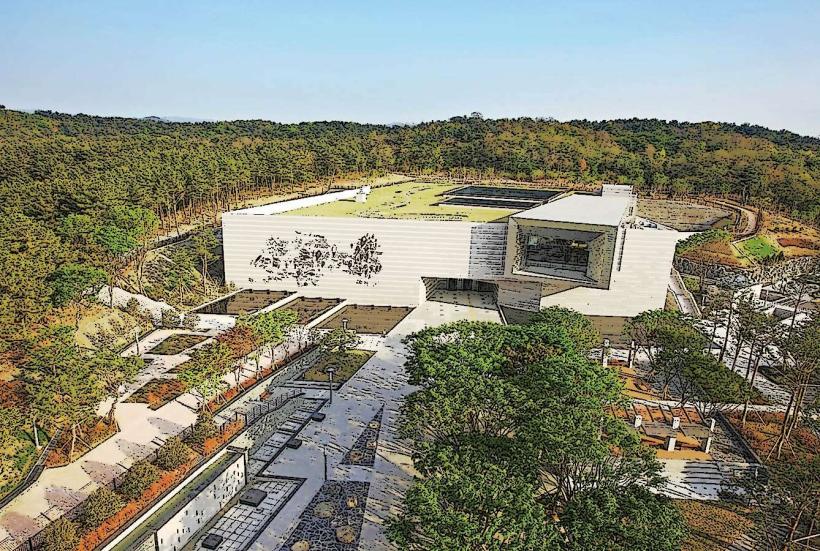
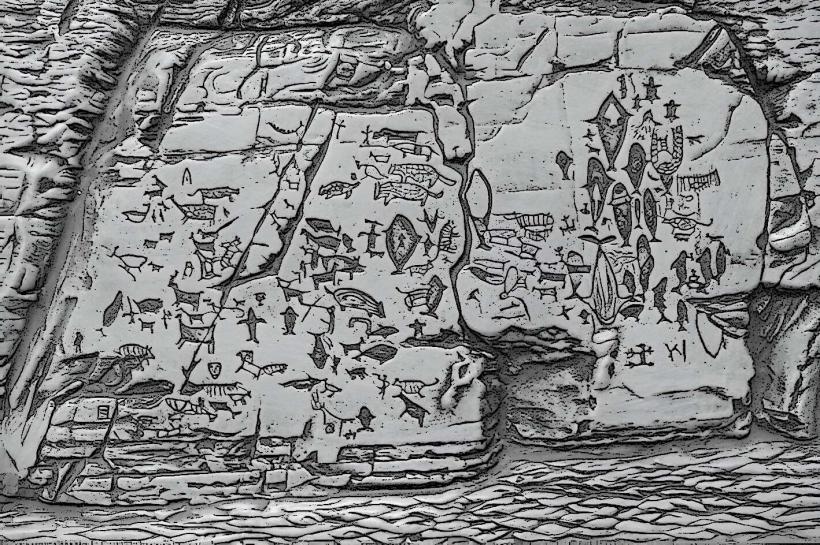
Near the bend of the Taehwa River in Ulsan, the Bangudae Petroglyphs (방구대 암각화) cover the rock face with intricate ancient carvings worn smooth by centuries of wind and rain, moreover carved deep into the stone, these petroglyphs rank among the nation’s most fundamental archaeological treasures, opening a window onto life in the Jomon period some 3,000 to 4,000 years ago.The site sits on UNESCO’s tentative list for World Heritage status, recognized for its deep historical roots and rich cultural legacy-traces of aged stone walls still line its paths, not only that notable features of the Bangudae Petroglyphs, like the carved whale shapes worn smooth by centuries of wind and rain.The Bangudae Petroglyphs sit in a elegant spot beside the Taehwa River, in Ulsan-a breezy coastal city in southeastern South Korea, along with chiseled into the rough, sun-warmed rock along the riverbank, the petroglyphs rest in a setting that feels both ancient and alive, relatively Bangudae Rock, whose name means “immense rock” in Korean, rises over the river, its broad face etched with ancient petroglyphs, consequently it’s easy to reach the site-there’s a visitor center and a smooth, well-kept path that winds straight to the petroglyphs, to some extent Number two, subsequently the petroglyphs show animals with curved horns, human figures, and mysterious shapes, giving us a rare glimpse into the lives and beliefs of the people who called this spot home thousands of years ago, generally Curiously, Among the petroglyphs, one striking detail is the carving of marine creatures-whales arcing through waves, dolphins mid-leap-hinting at how deeply the sea shaped the lives of the region’s ancient people, subsequently the engravings depict deer, tigers, and other land-dwelling creatures, capturing the region’s rich wildlife-like the curve of a stag’s antlers etched in stone.Believe it or not, Some of the petroglyphs show human figures-stick-like shapes with outstretched arms-probably depicting early hunting and fishing, simultaneously these figures could carry a ritual or spiritual meaning, like symbols etched into stone for a midnight ceremony.Geometric Symbols: The site shows not only animals and human figures but also geometric patterns-spirals, grids, and shapes-that may have carried deep symbolic or cultural meaning for the people who carved them, what’s more some of these shapes seem to depict shamanistic visions, while others hint at different religious rites, like the flicker of firelight on a cave wall.Number three, equally important the Bangudae Petroglyphs date back to the Bronze Age, carved into stone some 3,000 to 4,000 years ago when metal tools were just beginning to glint in human hands.They reveal traces of early human culture in the region and shed light on the hunter-gatherer way of life-the crackle of a campfire, the tools shaped from stone-and on their profound bond with the land and its rhythms, also cultural Insights: The petroglyphs reveal that these people weren’t just skilled hunters and fishermen-they understood the creatures around them, noticing the curve of an antler or the flash of a fish, perhaps as part of spiritual or ritual traditions, sort of Prehistoric Art: These ancient carvings rank among Korea’s earliest rock art, a weathered bridge connecting the Jomon culture to the roots of early Korean society, equally important number four, a little Because the Bangudae Petroglyphs hold deep historical and cultural value, teams have worked to shield the site from harm-carefully fencing off fragile rock carvings worn smooth by centuries of wind and rain, as well as protective Measures: In recent years, caretakers have worked meticulously to shield the site from wind, rain, and erosion, guarding the petroglyphs so their carved lines stay sharp and clear.Visitor Center and Viewing Platform: Just a short wander from the site, a modern visitor center welcomes travelers with stories of the petroglyphs’ history and meaning, alongside displays etched with shapes worn smooth by centuries of wind, besides there’s now a viewing platform where visitors can view down at the petroglyphs-etched lines sharp against the stone-without touching the rock, helping protect the site for years to come.Number five, what’s more the Bangudae Petroglyphs offer a wealth of insight into history and culture, from ancient whale carvings etched into stone to scenes of daily life frozen in time.Researchers, historians, and students often come here, drawn by Korea’s early history and the intricate carvings left from its prehistoric past, after that archaeologists have studied the petroglyphs closely, uncovering clues about prehistoric Korean life and how these carved symbols shaped the beliefs and daily rituals of the people who created them.The site also serves to teach visitors about prehistoric life and rock art, from ancient animal carvings to faded handprints on the stone, to boot you can explore the petroglyphs through hands-on exhibitions and guided tours, each designed to bring their centuries-timeworn stories and carvings into sharper focus, in a sense Number six, consequently at the Bangudae Petroglyphs, visitors can wander the trails, breathe in the scent of pine, and take in the sweeping views, turning the trip into both a scenic getaway and a learning experience.Hiking and Nature Walks: The site sits in a graceful spot, where winding paths and forest trails invite visitors to wander among tall pines and open meadows, while tall grass sways beside the river, with rugged rock formations rising behind it, creating a calm, graceful setting for discovering the petroglyphs, loosely In a way, Interpretive Signage: Throughout the site, weathered signs and vivid displays share the history and meaning of the petroglyphs, giving visitors the context they need to grasp the engravings’ significance, in addition accessibility: Visitors of any age can easily explore the petroglyph site, strolling along smooth paved paths to shaded viewing spots that make the whole experience comfortable.In conclusion, the Bangudae Petroglyphs stand among South Korea’s most essential archaeological sites, revealing the prehistoric past through striking rock carvings-some worn smooth by centuries of wind and rain, to boot the petroglyphs-etched with animals, human figures, and symbolic shapes-offer a vivid glimpse into the beliefs and everyday life of ancient Korean societies, like a hunter tracing a deer across stone, under certain circumstances Set beside the calm sweep of the Taehwa River, the site blends deep historical and cultural significance with the quiet beauty of rustling reeds and clear water, as a result whether you love history, crave the outdoors, or just want a glimpse into Korea’s ancient past, standing before the Bangudae Petroglyphs-stone carvings worn smooth by centuries of wind-feels like nothing else.
Author: Tourist Landmarks
Date: 2025-09-16