Information
Landmark: Basilique of Notre Dame de FourviereCity: Lyon
Country: France
Continent: Europe
Basilique of Notre Dame de Fourviere, Lyon, France, Europe
The Basilica of Notre-Dame de Fourvière is one of the most iconic landmarks in Lyon, France. Perched on a hilltop overlooking the city, the basilica is a symbol of Lyon’s religious and cultural history. It is not only an architectural marvel but also offers stunning panoramic views of the city and the surrounding region.
1. Overview
- Location: The Basilica is located on Fourvière Hill, in the Old Lyon district, a UNESCO World Heritage site. It overlooks the city from a height of approximately 160 meters (525 feet).
- Dedicated to: The basilica is dedicated to the Virgin Mary, and it is a place of pilgrimage for many visitors, especially for those devoted to her as the Patroness of Lyon.
- Construction: The basilica was constructed between 1872 and 1884, and it was designed by architect Pierre Bossan in a style that blends neo-Byzantine and neo-Romanesque elements.
2. Architecture and Design
- Exterior: The basilica's exterior is impressive with its grand façade, adorned with numerous statues and mosaics. The twin towers rise high above the city and are one of the basilica's most recognizable features. The mosaic decoration on the façade is one of the largest of its kind in the world, illustrating various scenes from Christian history.
- Dome: One of the most striking architectural features is the large dome, which crowns the basilica. Inside the dome, the intricate mosaics and stained glass windows depict religious scenes, creating a celestial atmosphere.
- Interior: The interior of the basilica is equally impressive, with lavish decoration that includes marble, gold leaf, and mosaics. The crypt, located beneath the main sanctuary, is particularly notable for its Byzantine-style mosaics. The basilica’s walls are richly decorated with scenes of the life of the Virgin Mary.
- Chapels and Altars: Inside, the basilica is divided into different chapels, each dedicated to various saints and the Virgin Mary. One of the most notable chapels is the Chapel of the Virgin Mary, located at the back of the basilica. It contains a golden statue of the Virgin, which is revered by many visitors and worshippers.
3. Historical Significance
- Lyon’s Protection: The basilica was built as a votive offering in thanksgiving for the city's deliverance from a plague in the 19th century. The people of Lyon believed that the Virgin Mary had miraculously protected them from the disease, and the basilica was built as a tribute to her.
- Pilgrimage Site: Over the years, the Basilica of Notre-Dame de Fourvière has become an important pilgrimage site, especially for those seeking spiritual solace or wishing to honor the Virgin Mary. Every year, many visitors come to the basilica to attend Mass, pray, or simply admire its beauty.
- The Fourvière Declaration: The basilica is closely linked to the Fourvière Declaration, a statement made in 1926 by French bishops that reinforced the Catholic Church's commitment to the preservation of religious traditions in France.
4. Panoramic Views
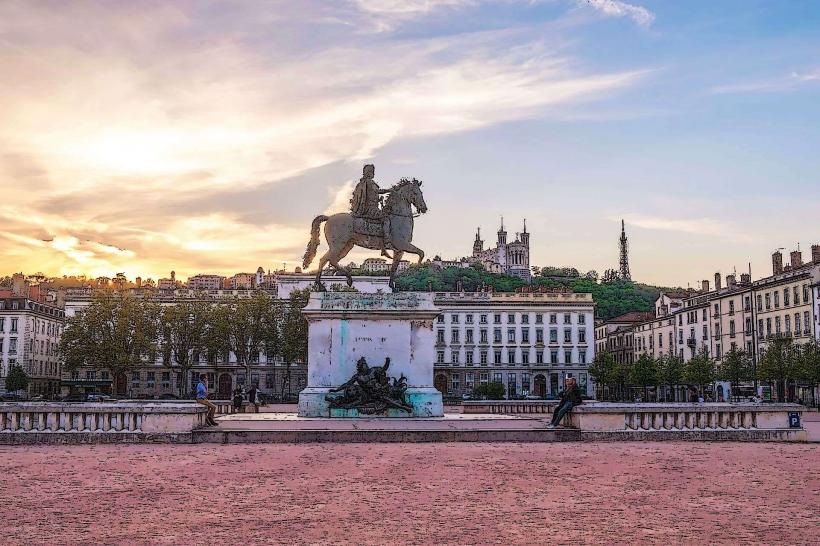
- Viewpoint: The hill on which the basilica sits provides one of the best views of Lyon. From the basilica’s terraces, visitors can enjoy sweeping views of the city center, including the Rhône and Saône rivers, the Presqu'île district, and the Lyon Part-Dieu business district. On clear days, the view extends as far as the Alps.
- The Funicular: To reach the basilica from the Vieux Lyon (Old Lyon) district below, visitors can take the funicular from the base of the hill to the top, which provides a scenic ride through the hillside.
5. Festivals and Events
- Fête des Lumières (Festival of Lights): One of the most famous events associated with the basilica is the Fête des Lumières, or Festival of Lights, which takes place every December. During this festival, the basilica is beautifully illuminated, and thousands of visitors come to see the stunning light displays that accentuate the basilica’s architecture.
- Processions: The basilica also hosts several religious processions throughout the year, with the most significant one being held on December 8, when the people of Lyon celebrate the Feast of the Immaculate Conception.
6. Visiting the Basilica
- Opening Hours: The Basilica is generally open every day, with some restrictions on special occasions or religious ceremonies. The basilica is open for both visits and Mass services.
- Access: Visitors can reach the basilica via:
- Funicular: A funicular service connects the Vieux Lyon district with the basilica. It is the easiest and most scenic way to reach the top of Fourvière Hill.
- Walking: Alternatively, there are walking paths that lead up to the basilica, though it’s a steep climb. The walk is rewarding, offering views of the city as you ascend.
- Admission: Entry to the basilica is free, although visitors may wish to make a donation to help maintain the site. There may be charges for special exhibitions or guided tours.
7. Visitor Experience
- Spiritual Atmosphere: For those seeking a more spiritual experience, the basilica offers a quiet and reflective atmosphere. Visitors can attend Mass, light candles, or simply enjoy the peaceful ambiance of the building.
- Photography: Photography is allowed inside the basilica, though visitors are asked to be respectful during religious services. The exterior of the basilica is also a popular spot for photos, especially with the backdrop of the city of Lyon.
- Guided Tours: For those interested in the history and significance of the basilica, guided tours are available, often led by knowledgeable guides who can provide insight into the architecture, art, and history of the site.
8. Conclusion
The Basilica of Notre-Dame de Fourvière is not just an architectural marvel; it is an important symbol of Lyon’s religious heritage and a site of spiritual significance. Whether you're interested in its rich history, its stunning design, or the breathtaking views it offers of Lyon, the basilica is a must-see for visitors to the city.