Information
Landmark: Batalha MonasteryCity: Batalha
Country: Portugal
Continent: Europe
Batalha Monastery, Batalha, Portugal, Europe
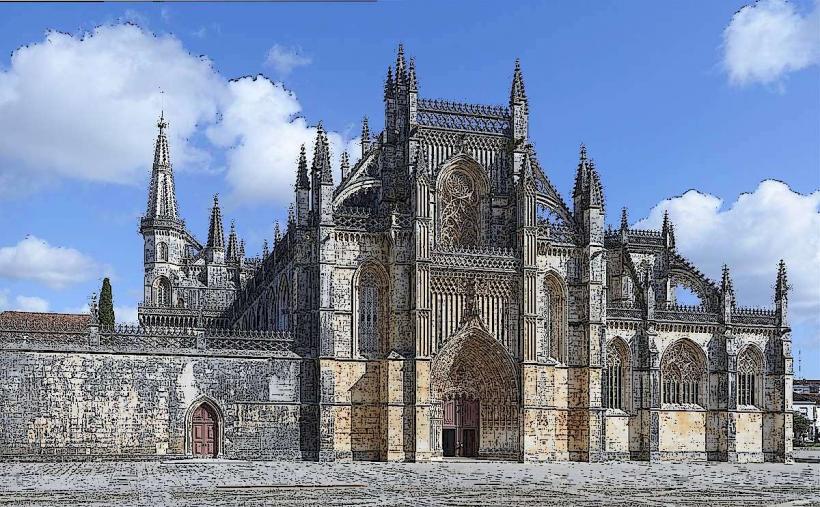
The Batalha Monastery (Mosteiro da Batalha) is one of Portugal's most significant and impressive examples of medieval architecture, recognized as a UNESCO World Heritage Site. Located in the town of Batalha, in central Portugal, the monastery is renowned for its striking Gothic design and historical importance, particularly in relation to the Battle of Aljubarrota, a pivotal conflict in Portuguese history.
1. Historical Context
- Foundation: The monastery was founded by King John I of Portugal in 1386 as a vow to build a grand church in gratitude for the victory in the Battle of Aljubarrota (1385), which secured Portugal's independence from Castile. The battle was a decisive moment in the Portuguese crisis of 1383-1385, and its success was crucial in the establishment of the Avis Dynasty, under which John I ruled.
- Royal Patronage: King John I pledged to build the monastery as a way of honoring the Virgin Mary, seeking her intercession for victory. The monastery became a place of religious devotion and a symbol of the nation’s resilience.
- Construction: Construction began in 1386 and continued for several centuries, with different monarchs contributing to its development. The monastery’s construction spanned the Gothic, Manueline, and early Renaissance periods, resulting in a complex and evolving architectural design.
2. Architectural Significance
The Batalha Monastery is a masterpiece of Gothic architecture, with elements that make it unique, including the Manueline style (a Portuguese variation of late Gothic).
- Gothic Design: The overall architectural design of the monastery is characterized by its soaring pointed arches, flying buttresses, and ribbed vaults, all hallmarks of Gothic architecture. The church and the adjoining cloister are particularly famous for their verticality, with tall columns and stained-glass windows that fill the interior with light.
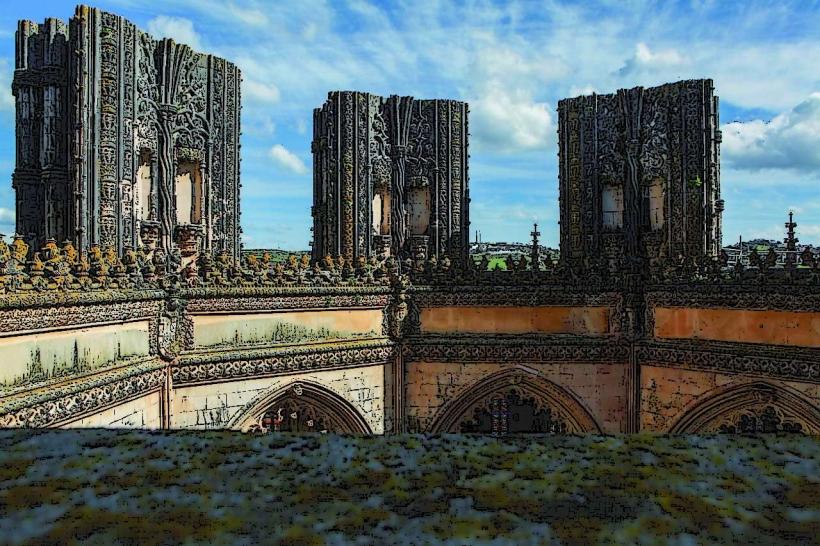
- Manueline Style: The Mosteiro da Batalha is also a prime example of Manueline architecture, particularly visible in the Unfinished Chapels (Capelas Imperfeitas). This ornate style emerged during the reign of King Manuel I in the early 16th century and is a combination of late Gothic, Renaissance, and maritime themes. The intricate details, such as the floral motifs, ropes, and nautical symbols carved into the stone, reflect Portugal’s Age of Exploration.
- Unfinished Chapels: One of the most distinctive features of the monastery is the Unfinished Chapels (Capelas Imperfeitas), a set of chapels that were left incomplete due to a lack of funds after the death of King John I. These chapels are a fine example of the late Gothic style and remain one of the most striking and enigmatic parts of the monastery.
- Rose Window: The rose window on the church's facade is another key feature, with its intricate design representing the influence of the Gothic style and symbolizing the connection between heaven and earth.
3. Key Features of the Monastery
- Church of Santa Maria da Vitória: The central church of the monastery is the Church of Santa Maria da Vitória, which houses the tombs of many significant Portuguese monarchs and noble figures. The church has an impressive vaulted ceiling, and its high altar is adorned with beautiful religious sculptures and artwork.
- Tombs of the Royal Family: The monastery is the final resting place for several Portuguese monarchs, including King John I and his wife Queen Philippa of Lancaster. Their tombs are located in the church’s high altar area, surrounded by elaborate carvings and statues. In addition, the tomb of Prince Henry the Navigator is also located here, marking the importance of the royal family and their contributions to the Age of Exploration.
- Monastic Cloisters: The Cloisters are a peaceful and beautiful area, with delicate columns and arcades that were used by the monks for meditation and prayer. The design of the cloisters is notable for its intricate details, including a blend of Gothic and Manueline elements.
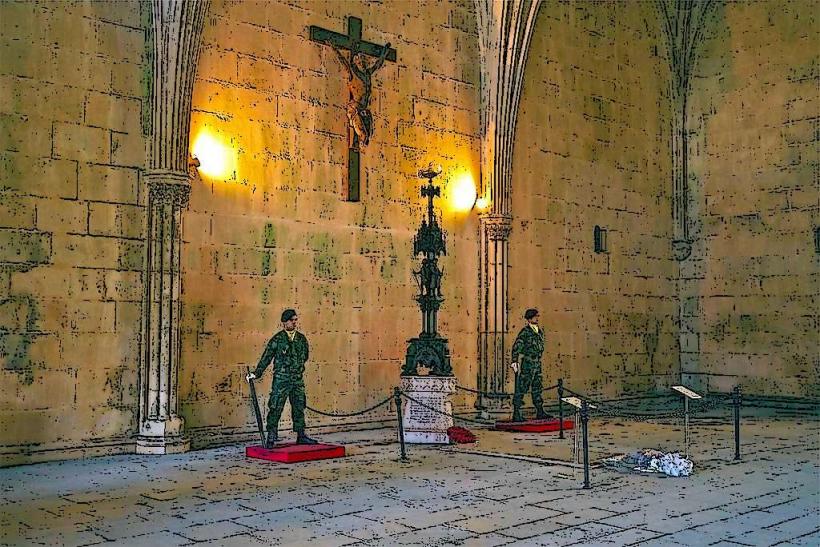
- Chapter House: The Chapter House is another key feature of the monastery, where the monks gathered to discuss matters of the faith and religious life. This room is characterized by a high vaulted ceiling and a sense of tranquility.
4. Cultural and Historical Importance
- Battle of Aljubarrota: The monastery’s establishment was directly tied to the victory at the Battle of Aljubarrota, which is considered one of the most significant events in Portugal’s history. The battle, fought in 1385, resulted in the defeat of the Castilian forces and solidified Portugal’s independence from Spain. The monastery stands as a monument to this victory, as well as to the legacy of the Avis Dynasty.
- Art and Symbolism: The monastery is rich in symbolism, particularly relating to the Virgin Mary and the triumph of Portugal’s kings over their enemies. The artwork, sculptures, and stained-glass windows all reflect these themes, conveying both religious devotion and national pride.
5. UNESCO World Heritage Status
The Batalha Monastery was designated a UNESCO World Heritage Site in 1983, recognized for its outstanding architectural significance and its connection to the historical development of Portugal as a nation. The monastery is an important landmark in Portuguese culture, symbolizing the country’s religious devotion, historical victories, and architectural achievements.
6. Visiting the Batalha Monastery
- Tourism and Accessibility: The Batalha Monastery is a popular tourist destination and is easily accessible from various parts of Portugal, including Lisbon, which is about 120 km away. Visitors can explore the church, cloisters, tombs, and the Unfinished Chapels. The site is open to tourists year-round, offering a chance to experience one of the most impressive examples of medieval architecture in Europe.
- Visitor Experience: Visitors can explore the monastery’s rich history through informative signs and guided tours. The site also hosts exhibitions about its history, art, and religious significance.
7. Conclusion
The Batalha Monastery is an architectural and historical gem that reflects the spirit of medieval Portugal. Its combination of Gothic and Manueline styles, along with its royal connections and symbolic significance, make it a key monument in Portuguese history. Whether you are interested in architecture, history, or religion, a visit to the Batalha Monastery offers a deep insight into Portugal's past, from its medieval roots to the age of exploration.