Information
Landmark: Big BenCity: London
Country: United Kingdom
Continent: Europe
Big Ben, London, United Kingdom, Europe
Big Ben is the nickname for the Great Bell inside the clock tower at the north end of the Palace of Westminster. The tower itself was officially renamed the Elizabeth Tower in 2012 to mark the Diamond Jubilee of Elizabeth II.
Visual Characteristics
A 96-meter tall Neo-Gothic tower built of brick clad in sandy-colored Anston limestone. The four clock faces are 7 meters in diameter and consist of 312 pieces of opal glass. The tower is famous for its intricate Victorian stonework and gilded details.
Location & Access Logistics
Address: Palace of Westminster, London SW1A 0AA, United Kingdom.
Transit: Westminster Underground station (Jubilee, District, and Circle lines) is directly across the street.
Access: The exterior is visible to all. Interior tours of the Elizabeth Tower are restricted to UK residents and international visitors who book well in advance.
Admission: Viewing the exterior is free. Tower tours cost approximately £30.00.
Historical Origin
Designed by architects Charles Barry and Augustus Pugin after the old Palace of Westminster was destroyed by fire in 1834. The tower was completed in 1859. The bell first struck on May 31, 1859. It has become a global symbol of the United Kingdom and parliamentary democracy.
Key Highlights & Activities
The Great Bell: Weighing 13.7 tonnes, it strikes the E-natural note every hour.
The Quarter Bells: Four smaller bells chime the "Westminster Quarters" every 15 minutes.
The Ayrton Light: A lantern at the top of the tower that is lit whenever Parliament is sitting after dark.
Westminster Bridge: The primary photography spot for capturing the tower with the Thames in the foreground.
Infrastructure & Amenities
The surrounding area is a high-security zone with significant pedestrian traffic. The immediate pavement is wheelchair accessible. Public restrooms and cafes are located nearby in the Westminster Underground station and Whitehall area. 5G signal is excellent.
Best Time to Visit
On the Hour: To hear the deep resonance of the Great Bell striking.
Night: The clock faces are illuminated by energy-efficient LEDs, providing a distinct golden glow.
Facts & Legends
The Crack: The bell cracked in 1859 just months after installation. A square piece was chipped out to prevent the crack from spreading, and the bell was rotated to allow the hammer to strike a different spot. This gives Big Ben its unique, slightly off-key tone.
Precision: The clock’s accuracy is adjusted using old one-penny coins placed on the pendulum to alter its center of gravity.
Nearby Landmarks
Houses of Parliament – Attached to the South
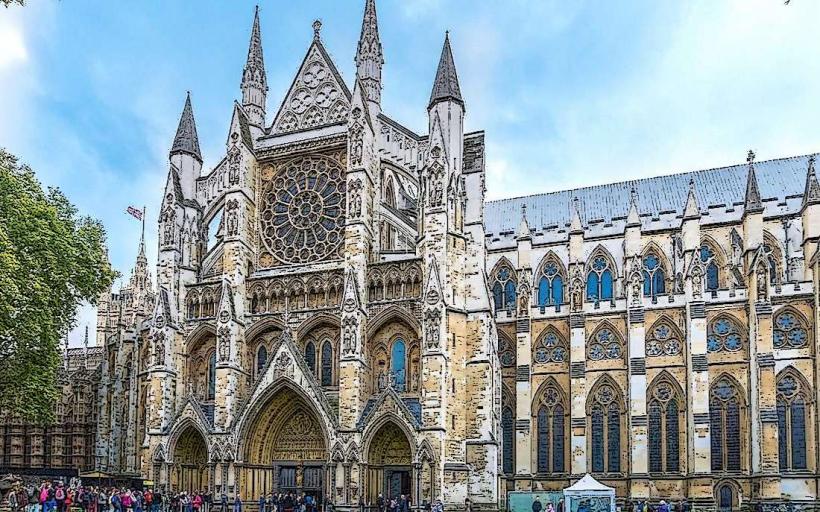
Westminster Abbey – 0.2km West
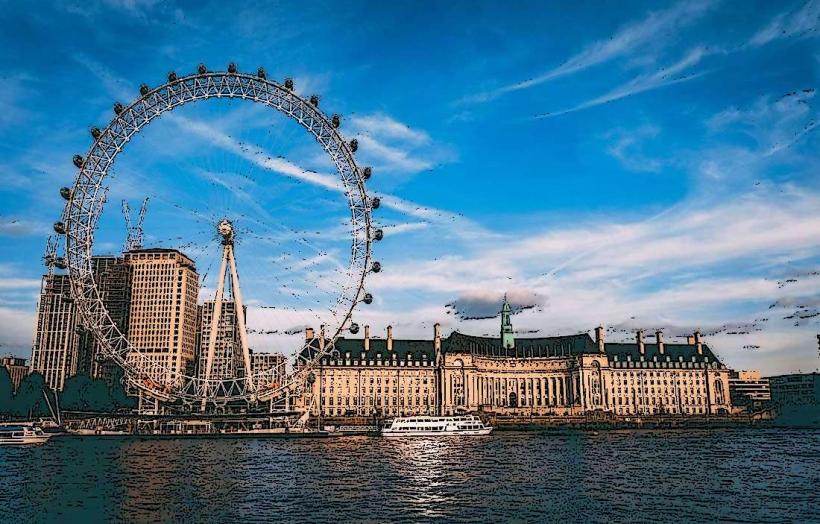
London Eye – 0.5km East (across the bridge)
10 Downing Street – 0.4km North