Information
Landmark: Bristol Museum and Art GalleryCity: Bristol
Country: United Kingdom
Continent: Europe
Bristol Museum and Art Gallery, Bristol, United Kingdom, Europe
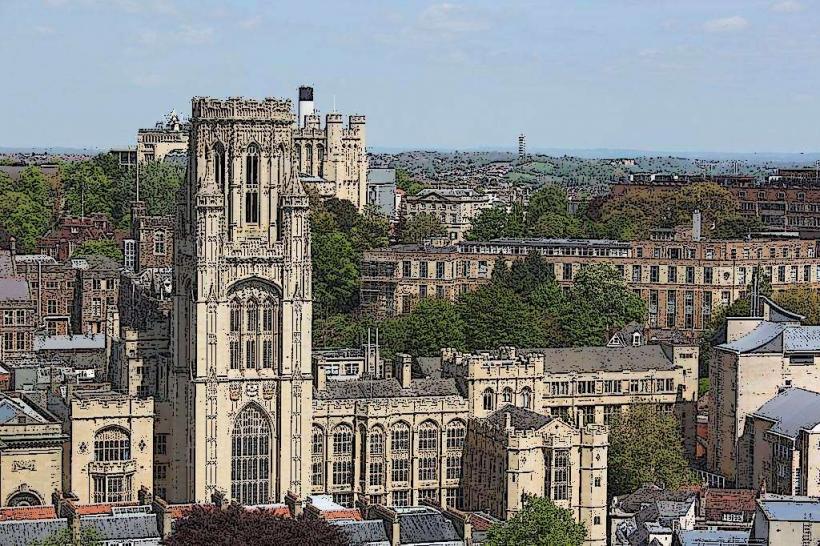
The Bristol Museum and Art Gallery is a major multidisciplinary museum situated at the intersection of Queens Road and University Road in the Clifton district of Bristol, United Kingdom. It is housed in a Grade II* listed Edwardian Baroque building, physically connected to the Wills Memorial Building of the University of Bristol.
Visual Characteristics
The building is constructed from yellow Bath stone with heavy rustication on the ground floor and classical columns on the upper levels. The interior is defined by two grand rear-lit halls with glass ceilings, ornate plaster moldings, and sweeping staircases. The galleries are organized by floor, with natural history and geology on the ground level, world cultures on the first, and fine art on the top floor, which features high-vaulted ceilings and parquet flooring.
Location & Access Logistics
The museum is located at the top of Park Street (BS8 1RL).
Public Transport: Bus routes 1, 2, 3, 4, 8, and 9 stop directly outside the museum on Queens Road. Clifton Down railway station is a 10-minute walk (0.8km) to the north.
Road: Vehicle access is via Queens Road (A4018).
Parking: No on-site parking is available. The nearest multi-storey car park is at West End on Jacob's Wells Road (0.4km).
Access: Level access is provided via a ramp at the main entrance, with passenger lifts serving all floors.
Historical & Ecological Origin
The current building was designed by architect Sir Frank Wills and opened in 1905, funded largely by tobacco magnate Sir William Henry Wills. It was originally an extension of the Bristol Central Library and the older Bristol Museum and Library. The site was heavily damaged during the Bristol Blitz in 1940, resulting in the loss of many geological specimens and the subsequent post-war reconstruction of the upper galleries.
Key Highlights & Activities
Visitors can view the "Bristol Dinosaur" (Thecodontosaurus antiquus) and a significant collection of Dutch Old Masters and British Victorian paintings. The museum houses a world-class collection of Eastern Art, specifically Chinese glass and ceramics. Interactive activities include "Under 7s" play areas and digital discovery stations located within the Egyptology and Natural History galleries.
Infrastructure & Amenities
The facility includes a ground-floor cafe and a gift shop. Accessible restrooms and baby-changing facilities are located on the ground floor. 5G cellular signal is strong throughout the building. The museum provides free cloakroom lockers for small bags and coats near the main entrance.
Best Time to Visit
The museum is open Tuesday to Sunday, 10:00 – 17:00. Tuesday and Wednesday mornings offer the quietest experience for viewing the art galleries. For photography of the grand entrance hall, midday provides the most balanced lighting through the glass roof. The museum is frequently at peak capacity during school holiday periods.
Facts & Legends
A verified historical oddity is the "Paint Pot Angel," a piece of street art by Banksy that remains in the main entrance hall following his 2009 takeover exhibition. Another notable item is the "Bristol Boxkite," a full-scale replica of the first aircraft produced by the British and Colonial Aeroplane Company, suspended from the ceiling of the rear hall.
Nearby Landmarks
Wills Memorial Building: 0.1km South
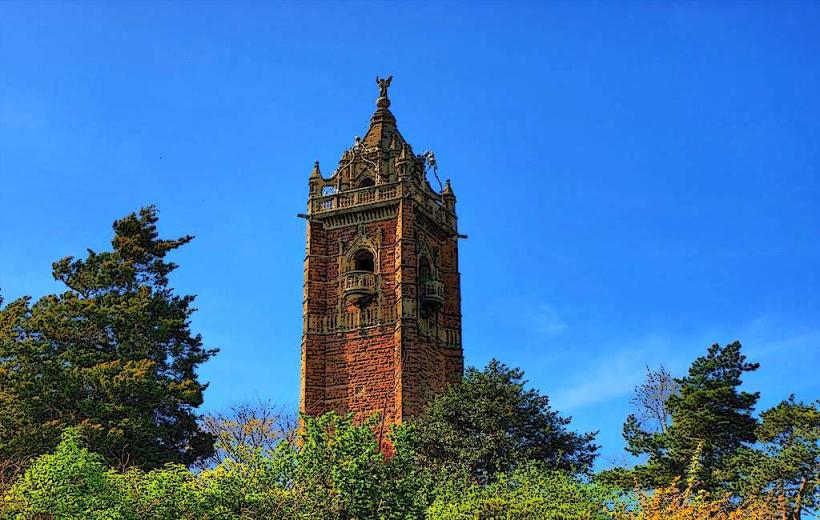
Cabot Tower: 0.4km Southwest
Royal West of England Academy: 0.15km North
Brandon Hill: 0.3km Southwest
University of Bristol Botanic Garden: 1.5km North