Information
Landmark: Broad Street Historic DistrictCity: New Britain
Country: USA Connecticut
Continent: North America
Broad Street Historic District, New Britain, USA Connecticut, North America
The Broad Street Historic District in New Britain, Connecticut, is a designated historic area that preserves part of the city’s commercial and cultural core, showcasing a blend of architectural heritage, immigrant history, and urban development. It reflects New Britain’s transformation from an industrial hub into a diverse cultural center, particularly influenced by waves of European immigration.
Historical Background
The district grew during the late 19th and early 20th centuries, when New Britain was experiencing rapid growth fueled by its manufacturing industries, especially hardware production through companies like Stanley Works.
Broad Street became a center of commerce, community institutions, and immigrant life, with many businesses owned by Polish, German, Italian, and other immigrant groups who settled in the city.
It remains especially known as the heart of New Britain’s Polish-American community, sometimes referred to as “Little Poland.”
Geography and Layout
The district is centered along Broad Street, extending through several blocks lined with historic commercial buildings, mixed-use structures, and community landmarks.
Architectural styles include late 19th-century brick storefronts, early 20th-century revival styles, and modest Art Deco influences, representing different eras of urban development.
The compact urban layout reflects a traditional walkable neighborhood, with storefronts, upper-floor apartments, and cultural institutions in close proximity.
Key Features
Commercial Buildings
Broad Street contains a variety of historic storefronts housing bakeries, restaurants, shops, and professional services.
Many businesses continue to reflect the district’s Polish-American heritage, including delicatessens, food markets, and cultural shops.
Cultural and Community Institutions
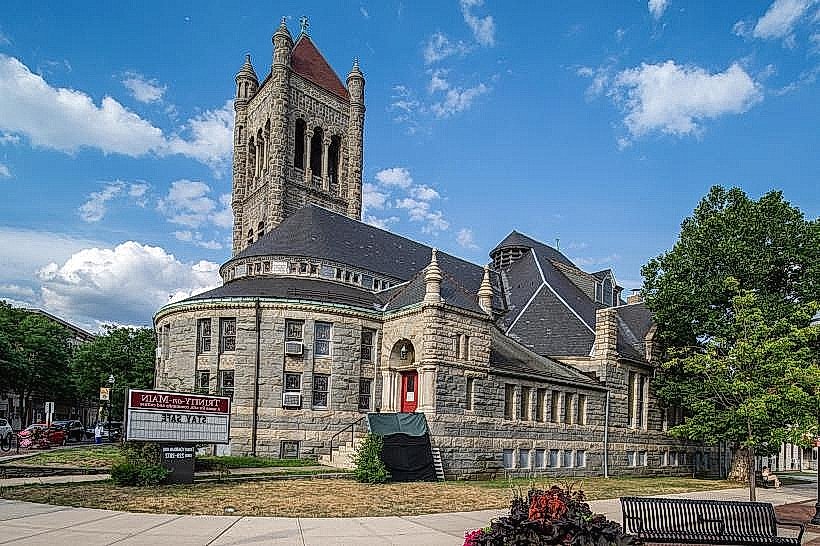
Churches, social clubs, and cultural centers anchor the district, reinforcing its role as a community hub for immigrant identity and traditions.
Polish festivals, parades, and cultural events often take place in or near this area.
Architectural Heritage
The district preserves brick and stone facades, decorative cornices, and period storefronts, maintaining its historic character.
While some buildings have been modernized, many retain their original design details, contributing to the area’s authenticity.
Cultural and Community Role
The Broad Street Historic District is widely regarded as the cultural center of Polish-American life in Connecticut.
It serves as both a living neighborhood and a heritage destination, where visitors can experience authentic food, traditions, and festivals.
The district embodies New Britain’s immigrant legacy, highlighting how communities shaped the city’s economy, culture, and built environment.
Present-Day Significance
Today, the Broad Street Historic District remains a vibrant, active neighborhood, combining everyday commerce with heritage tourism.
It is promoted as “Little Poland,” attracting both locals and visitors interested in food, shopping, and cultural experiences.
The district continues to function as a symbol of New Britain’s diversity, resilience, and cultural richness, while preserving its historic architectural fabric.
The Broad Street Historic District stands as a living reminder of New Britain’s immigrant roots, blending historic preservation, cultural identity, and community life into one of the city’s most distinctive and meaningful urban spaces.