Information
Landmark: Capela dos OssosCity: Evora
Country: Portugal
Continent: Europe
Capela dos Ossos, Evora, Portugal, Europe
The Chapel of Bones (Capela dos Ossos) is an 16th-century ossuary located within the Church of St. Francis in Évora. It is one of the most prominent examples of Counter-Reformation architecture in Portugal, designed to provoke reflection on the transience of life.
Visual Characteristics
The interior surfaces-including walls, eight support columns, and vaulted ceilings-are entirely covered with the bones and skulls of approximately 5,000 monks and laypeople. The remains are arranged in geometric patterns and cemented into the structure. The ceiling features frescoes of death-related motifs and biblical allegories. At the entrance, a stone lintel bears the inscription: "Nós ossos que aqui estamos pelos vossos esperamos" (We bones that are here, for yours we wait).
Location & Access Logistics
The chapel is situated at Praça 1º de Maio, roughly 500 meters south of Giraldo Square. It is part of the St. Francis Church complex. Access requires a paid ticket, which includes the chapel, the Franciscana Gallery, and the Nativity Scene collection. The site is a 15-minute walk from the Évora train station. No direct public transport reaches the door due to the narrow streets of the historic center.
Historical & Ecological Origin
Constructed in the late 16th century by Franciscan monks, the chapel served a practical and theological purpose. During that period, Évora's 42 monastic cemeteries were overcrowded, consuming valuable land. The monks moved the remains to the chapel to free up space while creating a memento mori-a visual reminder of mortality. The structure uses local limestone and granite as a base for the bone-laden plaster.
Key Highlights & Activities
The Skeletons: Two desiccated corpses, one of an adult and one of a child, were historically hung from the wall; they are now displayed in glass cases for preservation.
The Inscription: The entrance lintel serves as the primary philosophical gateway to the experience.
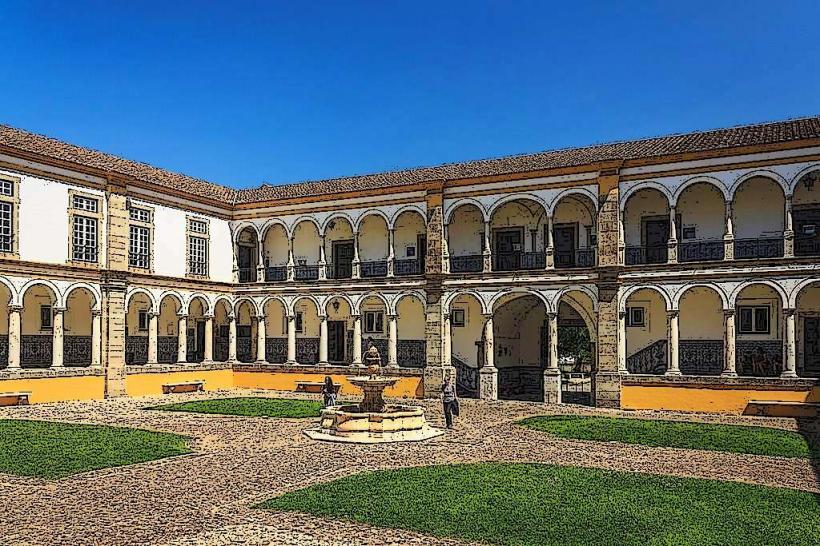
Franciscan Museum: The upper floors house a significant collection of sacred art and an extensive collection of international nativity scenes.
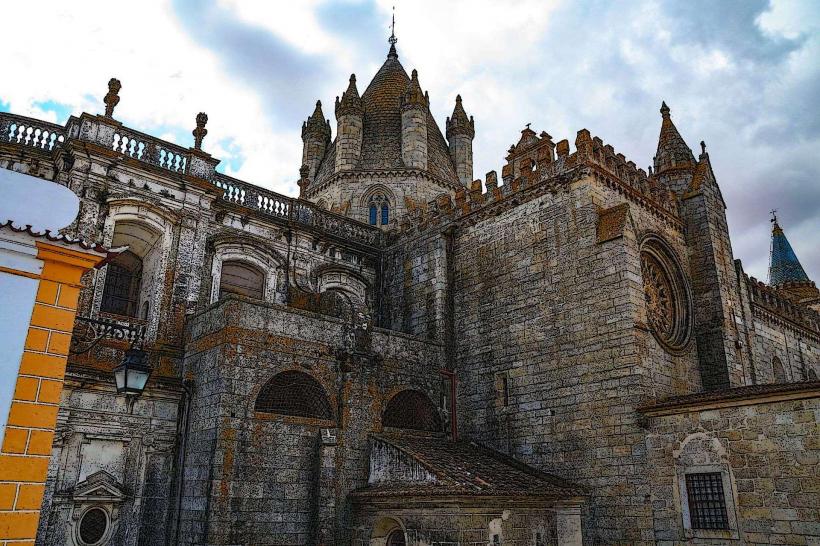
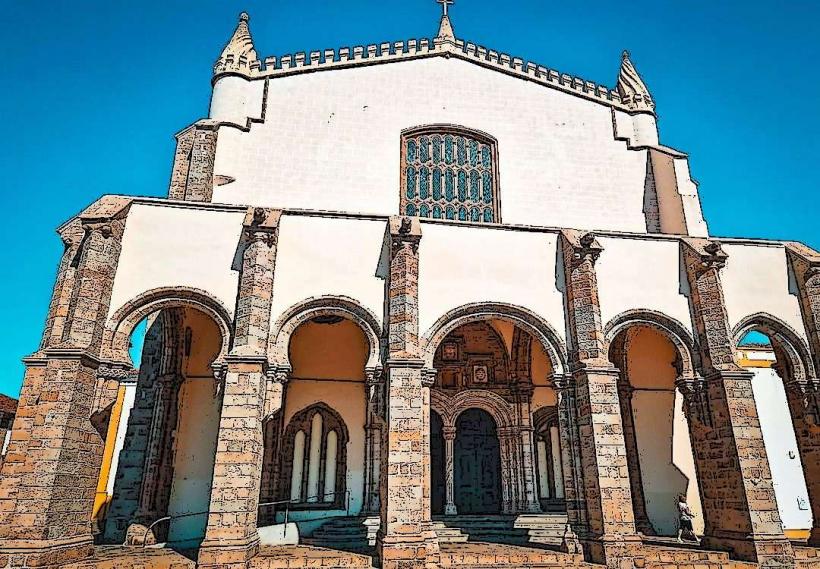
Church of St. Francis: The main church, accessible separately, features impressive Manueline-Gothic architecture.
Infrastructure & Amenities
The facility includes a modern visitor reception area, a small elevator for accessibility, and public restrooms. 5G cellular coverage is strong outside, but signal penetration is limited within the thick-walled stone interior. A small gift shop is located at the exit. The chapel is wheelchair accessible via a dedicated side entrance and elevator.
Best Time to Visit
The site is open daily from 09:00 to 18:30 (summer) or 17:30 (winter). It is closed on Christmas Day and January 1st. To avoid peak tourist crowds and school groups, visit during the lunch hour (13:00–14:00) or immediately at opening. Photography is permitted with a standard ticket, provided flash is not used.
Facts & Legends
A popular legend suggested the skeletons belonged to an adulterous husband and his son, cursed by a dying mother; however, DNA and forensic analysis confirm they were simply members of the local community. A verified fact: the monks intended the chapel as a meditative space to counter the perceived materialism of the 16th-century Portuguese elite.
Nearby Landmarks
Church of St. Francis: 0.0km (adjacent)
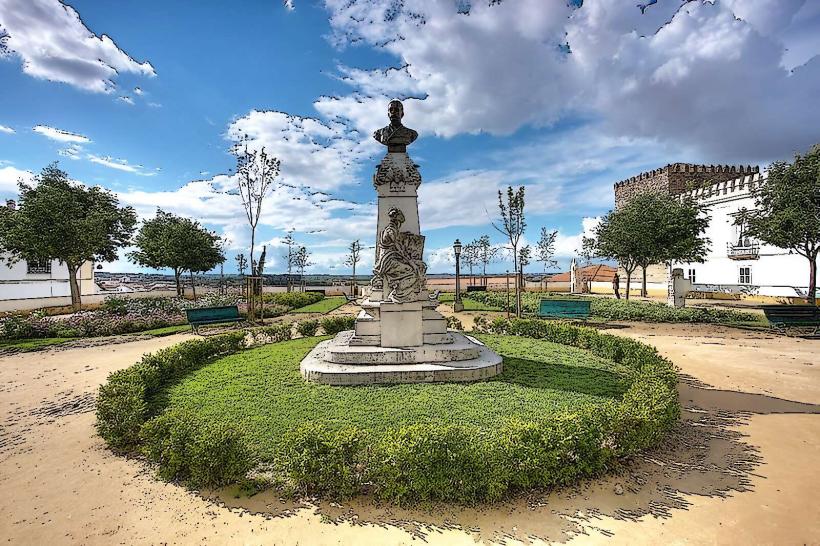
Public Garden of Évora (Palace of Manuel I): 0.1km South
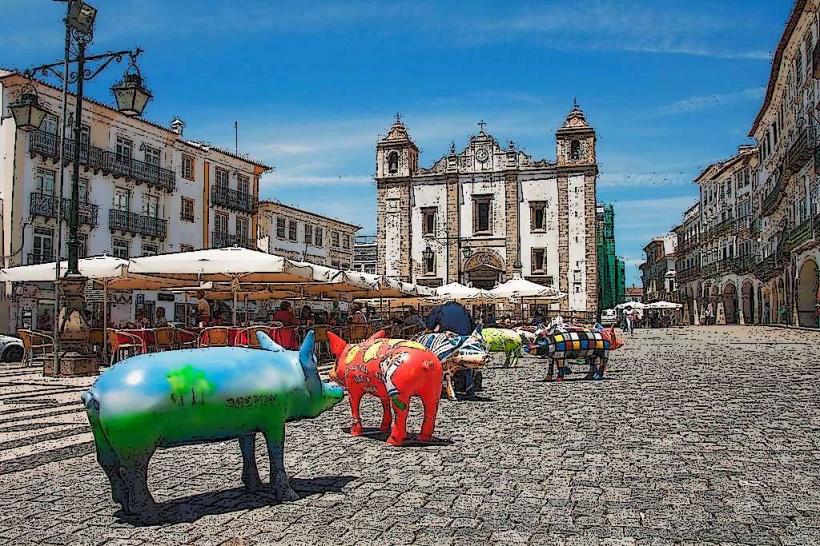
Giraldo Square: 0.5km North
Évora Market: 0.2km South
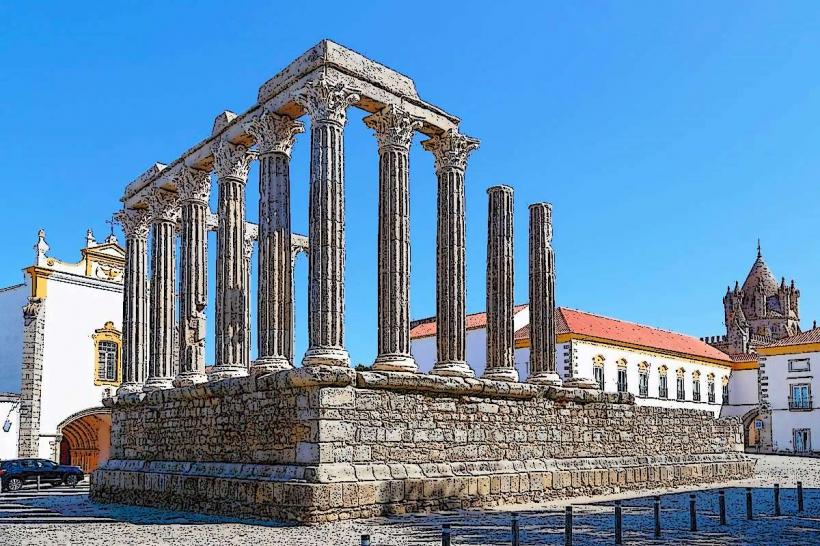
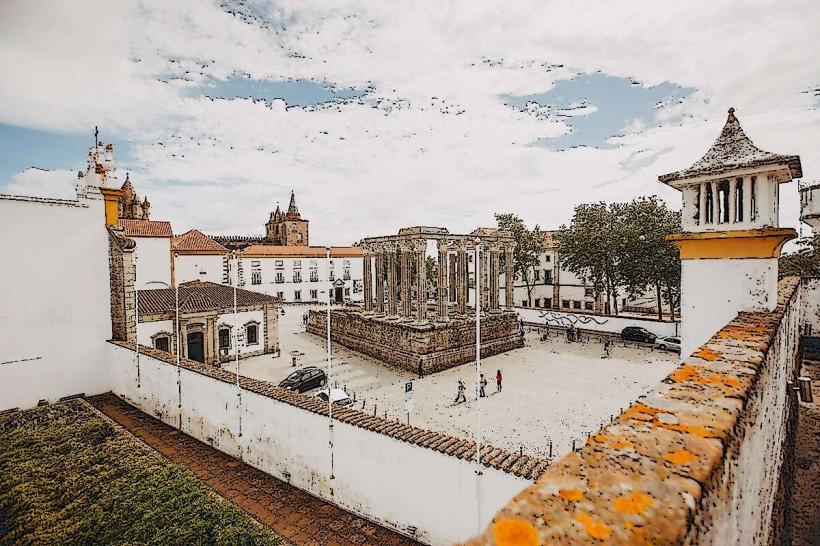
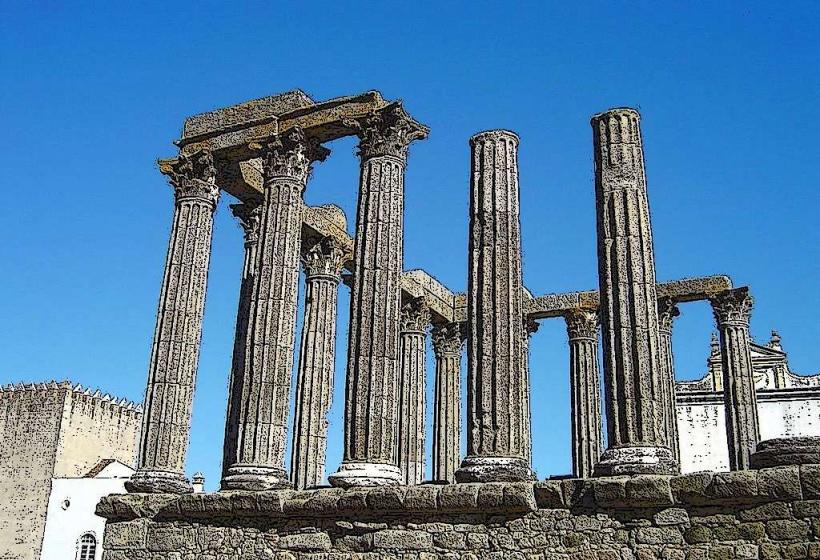
Roman Temple of Évora: 0.8km North