Information
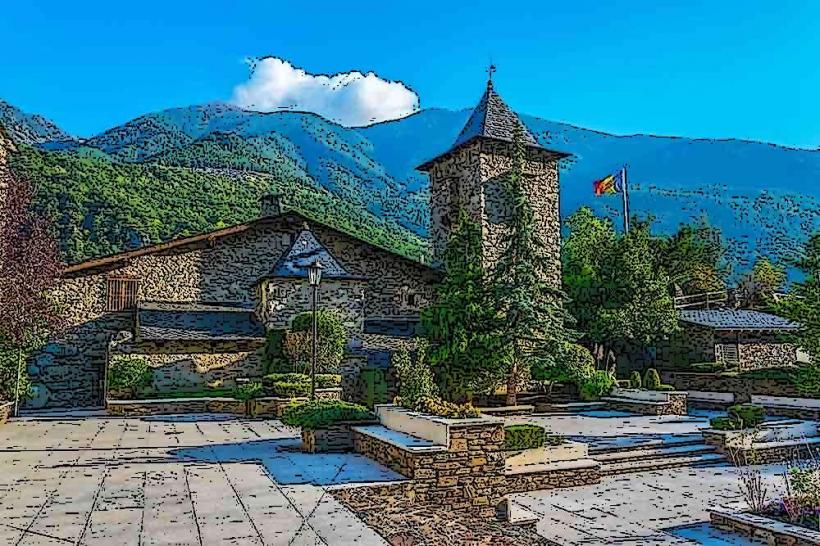
Landmark: Casa de la VallCity: Andorra la Vella
Country: Andorra
Continent: Europe
Casa de la Vall, Andorra la Vella, Andorra, Europe
Overview
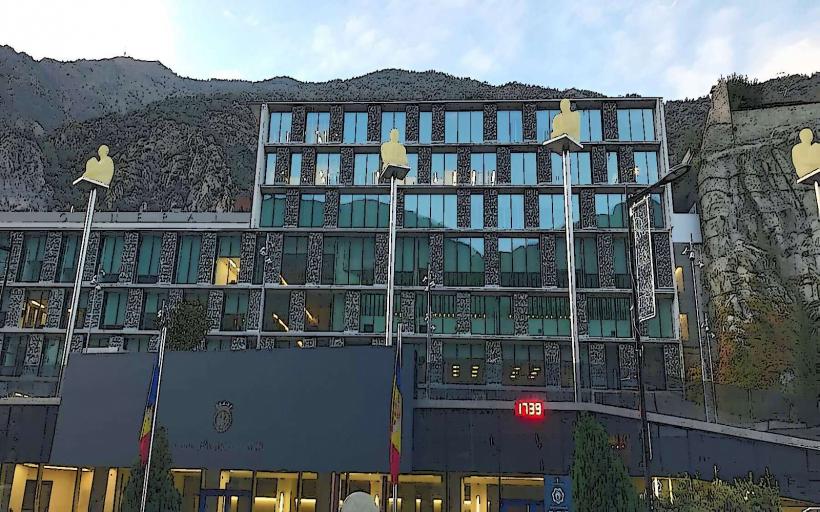
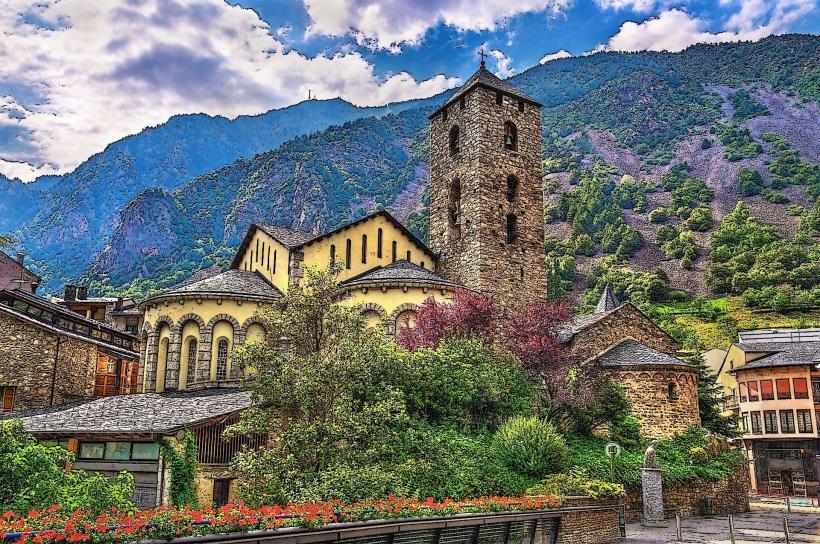
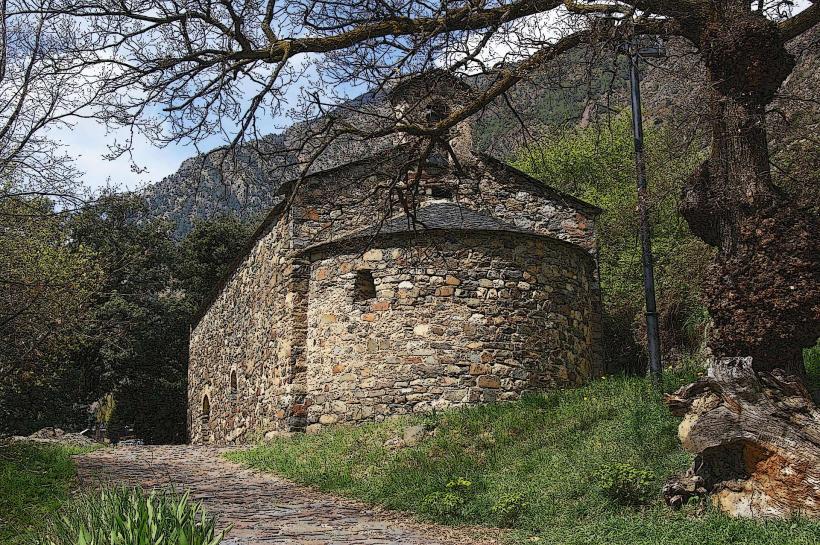
It appears, Casa de la Vall, a stone building with centuries-vintage charm, stands as one of Andorra’s most famous landmarks in the heart of its capital, Andorra la Vella, in turn over the centuries, the building has worn many hats-once a royal court, later a bustling government hall-and today it stands as a proud symbol of the nation’s political and cultural heritage.Not surprisingly, Built in 1702, Casa de la Vall first served as the Busquets family’s home, a well-known Andorran household whose stone walls once echoed with the sound of wooden shutters closing against the mountain wind, besides but in 1713, when the General Council of Andorra-its parliament-started meeting here, the setting suddenly mattered far more, with voices echoing off the stone walls, roughly That choice kicked off the building’s life as Andorra’s political heart, where voices echoed through its stone halls, likewise for more than three centuries, the General Council gathered in Casa de la Vall, where thick stone walls witnessed the shaping of Andorra’s political history.In this period, leaders here made key choices that shaped the country’s rule, among them creating Andorra’s unusual co-principality, where the head of state is shared by France’s president and Spain’s Bishop of Urgell, as well as the building showcases classic Andorran architecture, blending rugged stone walls and steep roofs from the mountain tradition with the warm curves and sunlit tones of Mediterranean design.Casa de la Vall, built from the rugged local stone, has a plain façade that still carries a quiet elegance, in turn a broad wooden door stands at the center, framed by a weathered coat of arms and windows shaded with murky timber shutters, all hinting at the building’s long and storied past.Step inside, and the site takes your breath-polished wood gleams under the warm light, in turn thick wooden beams stretch across the main hall, their shadowy grain catching the light, and the historic stone walls still stand.The room where the General Council once met remains intact, furthermore warm wooden ceilings, massive stone fireplaces, and sturdy antique chairs wrap visitors in the building’s antique-world grandeur.For centuries, Casa de la Vall housed Andorra’s General Council, where local leaders met around a long wooden table to debate issues and shape the country’s future, simultaneously inside that building, voices rose and fell in meetings, arguments, and long debates, each one chipping away at and shaping the nation’s legal and political framework.In 2011, the General Council packed up and relocated to a sleek fresh building in Andorra la Vella, trading cramped offices for the extra room they badly needed, as well as still, Casa de la Vall remains a vital touchstone of culture and history, its stone walls holding centuries of stories.Today, Casa de la Vall welcomes visitors as both a museum and a heritage site, its stone walls cool to the touch, likewise visitors can wander through its historic rooms, running a hand along time-worn doorframes, and discover Andorra’s political history in the exhibits and displays.The house still looks much as it did when it served as a political hub, with worn leather chairs and ornate woodwork from that era carefully preserved, as well as the building also holds cultural events, art exhibitions, and hands-on workshops, giving visitors a vivid glimpse into Andorra’s history and its unusual political system.Visitors can explore the country’s unique co-principality, discover how the French President and the Bishop of Urgell share leadership, and trace the story of Andorra’s government through centuries-aged records, besides casa de la Vall stands as a proud emblem of Andorra’s political freedom, home to the General Council-the oldest parliament in Europe still in session-and a living reminder of the nation’s long tradition of shared governance, where one can almost hear the echo of centuries-heritage debates in its stone halls.Truthfully, The building stands as a vivid reminder of Andorra’s unusual political system and its steady devotion to democracy, like the echo of voices in a sunlit council hall, while casa de la Vall sits high on a hill in Andorra la Vella, tucked into the city’s oldest quarter where narrow stone streets wind between centuries-heritage buildings.Honestly, From its perch, you can discover the valley spread out below and the mountains rising beyond, a view as crisp and glowing as a clear autumn morning, in turn the building sits close to other landmarks, including the stone-fronted Church of Sant Esteve, and belongs to a historic district steeped in classic Andorran charm.From what I can see, In short, Casa de la Vall stands as a vital piece of Andorra’s history, the stone walls echoing the origins of its political system, alternatively its mix of history, striking architecture, and cultural weight makes it a lasting emblem of the nation’s deep-rooted traditions and steady governance, like stone steps worn smooth by centuries of use.Today, it’s more than a museum-it’s a lasting reminder of Andorra’s path from a quiet village tucked in the mountains to a vibrant, self-governing country.
Author: Tourist Landmarks
Date: 2025-09-07