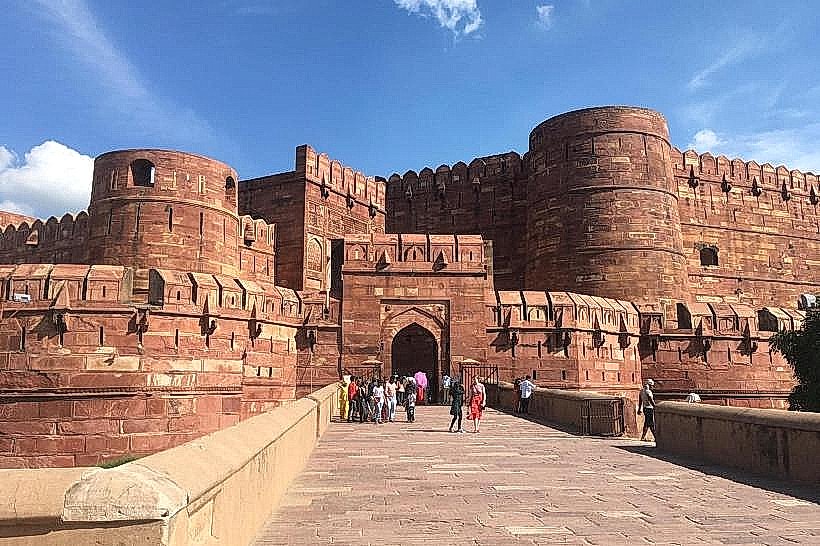
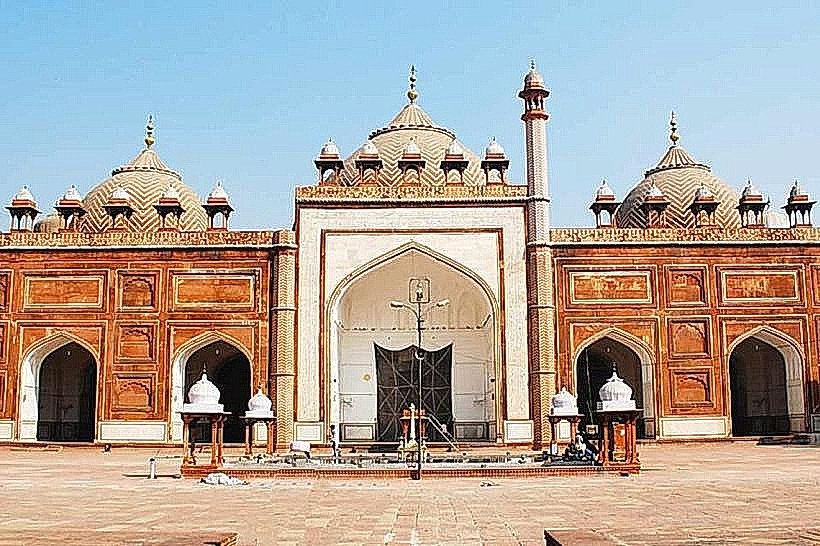
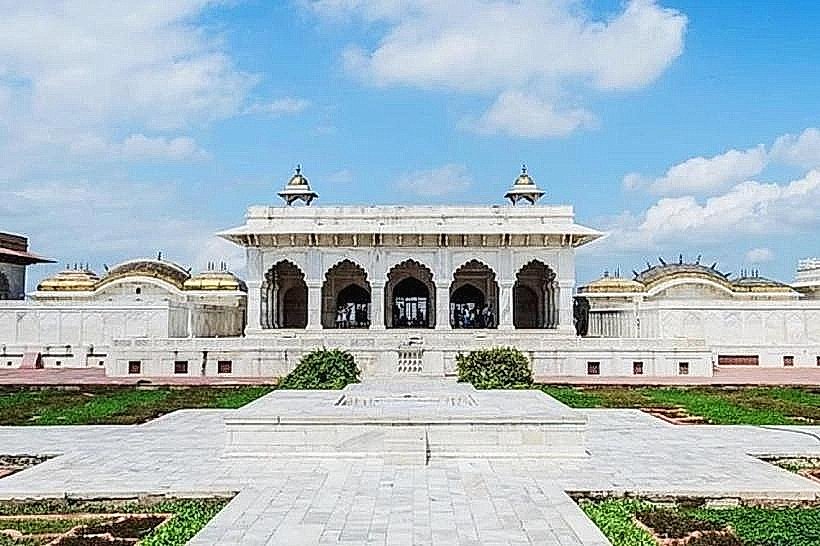
Information
Landmark: Chini Ka RauzaCity: Agra
Country: India
Continent: Asia
Chini Ka Rauza, Agra, India, Asia
Bukit Patoi Recreational Park is a protected forest reserve located in the Temburong District of Brunei.
Visual Characteristics
The park features a prominent hill, Bukit Patoi, with a summit elevation of 310 meters. The terrain is characterized by dense tropical rainforest vegetation, including various tree species and undergrowth. Trails are primarily unpaved earth paths, with some sections reinforced with wooden planks or gravel. Rock formations are present along some of the steeper inclines.
Location & Access Logistics
Bukit Patoi Recreational Park is situated approximately 20 kilometers south of Bangar town, the administrative center of Temburong District. Access is via Jalan Temburong, a paved road, followed by a turn onto a gravel track leading to the park entrance. Parking is available at the designated trailhead area. Public transport to the park is limited; visitors typically rely on private vehicles or taxis from Bangar.
Historical & Ecological Origin
Bukit Patoi Recreational Park is classified as a primary lowland dipterocarp forest. The area was designated as a protected reserve to conserve its biodiversity and ecological functions. The geological formation consists of sedimentary rock typical of the region. The park's establishment aims to preserve the natural habitat for local flora and fauna.
Key Highlights & Activities
Hiking is the primary activity. The main trail leads to the summit of Bukit Patoi, offering panoramic views of the surrounding rainforest. Several smaller, unmarked trails branch off the main path. Observation points are located along the ascent. Birdwatching is possible due to the diverse avian population.
Infrastructure & Amenities
Basic amenities include a designated parking area and a small information kiosk at the trailhead. Restrooms are available near the parking area. Shade is provided by the dense forest canopy along the trails. Cell phone signal is intermittent within the park, with 4G coverage generally unavailable on the trails and limited near the entrance.
Best Time to Visit
The best time for hiking is during the dry season, from March to October, to minimize the risk of slippery trails. The early morning hours, between 7:00 AM and 10:00 AM, offer cooler temperatures and better lighting conditions for photography. Afternoon rainfall is common throughout the year.
Facts & Legends
Local folklore suggests that the summit of Bukit Patoi is a sacred site, with some believing it to be the resting place of ancient spirits. A specific geological feature, a large, unusually shaped boulder near the summit, is often the subject of these stories.
Nearby Landmarks
- Temburong National Park (15km Southwest)
- Bangar Town (20km North)
- Kuala Belalong Field Study Centre (25km West)
- Sungai Temburong (18km Northwest)