Information
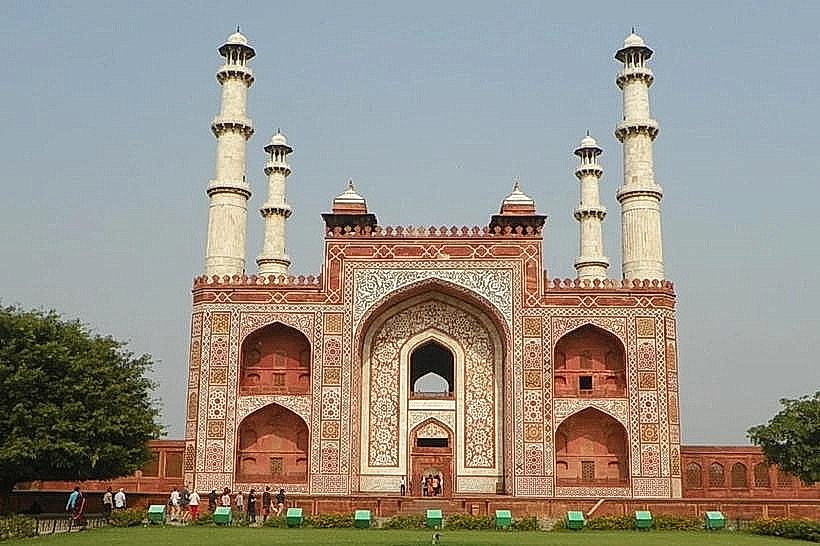
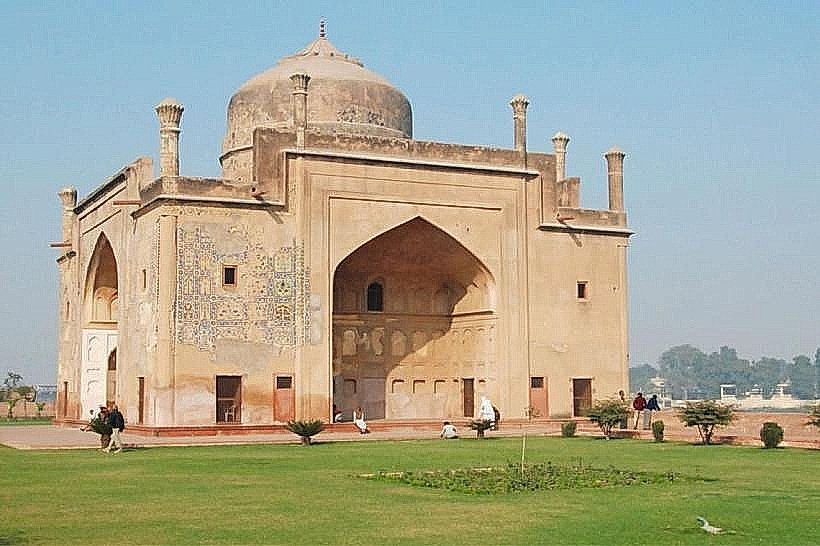
Landmark: Itimad ud Daulah (Baby Taj)City: Agra
Country: India
Continent: Asia
Itimad ud Daulah (Baby Taj), Agra, India, Asia
The Temburong Riverfront is a waterway located in the Temburong District of Brunei. It serves as a primary access route and ecological corridor within the region.
Visual Characteristics
The river is characterized by its dark, tannin-stained waters, a result of decomposing vegetation from the surrounding rainforest. The banks are densely vegetated with a variety of tropical flora, including tall trees and thick undergrowth. The river's width varies, with narrower sections in the upper reaches and a broader expanse closer to the coast. The terrain is generally low-lying and marshy near the river's edge.
Location & Access Logistics
The Temburong River is accessible via boat from Bandar Seri Begawan, the capital of Brunei. The journey typically involves a water taxi or a scheduled ferry service from the Serasa Ferry Terminal. The river itself is the main transportation artery within the Temburong District, with smaller longboats and speedboats used for local transit. Road access to the riverfront areas is limited, with the main road, Jalan Batang Duri, providing access to specific points along the river.
Historical & Ecological Origin
The Temburong River is a natural waterway formed by the drainage of the surrounding rainforest. Its ecological significance lies in its role as a habitat for diverse aquatic and terrestrial species. The river system is part of the larger Ulu Temburong National Park ecosystem, which is characterized by primary lowland dipterocarp forest. Historically, the river served as a vital route for indigenous communities and early explorers.
Key Highlights & Activities
Boat tours along the river are a primary activity, offering views of the rainforest and opportunities to observe wildlife. Kayaking and canoeing are possible in calmer sections of the river. Access to the Ulu Temburong National Park is facilitated by boat, with trails available for hiking within the park. Birdwatching is a notable activity due to the rich avian population.
Infrastructure & Amenities
Basic amenities are available at designated jetties and park entrances, including restrooms and covered waiting areas. Food vendors are typically found near the main ferry terminal in Bangar town. Cell phone signal can be intermittent, particularly in more remote sections of the river and within the national park. Shade is provided by the dense forest canopy along most of the riverbanks.
Best Time to Visit
The best time for visiting is during the dry season, from March to October, to minimize rainfall. The early morning and late afternoon offer optimal lighting conditions for photography and wildlife viewing. High tide is generally preferred for boat navigation, especially in shallower areas.
Facts & Legends
A unique aspect of the Temburong River is its role in connecting the Temburong District, which is geographically separated from the rest of Brunei by the Bay of Brunei. The river's dark color is due to natural tannins leached from decaying leaves and wood in the peat swamp forests upstream, giving it a distinctive appearance.
Nearby Landmarks
- Ulu Temburong National Park (0.1km North)
- Bangar Town (5km West)
- Peradayan Forest Reserve (8km Southwest)
- Kuala Belalong Field Study Centre (12km Upstream)