Information
Landmark: Cliffords TowerCity: York
Country: United Kingdom
Continent: Europe
Cliffords Tower, York, United Kingdom, Europe
Clifford’s Tower is the largest surviving structure of York Castle, the medieval administrative center of Northern England. Situated atop a steep earthwork motte, the tower is a four-lobed (quatrefoil) keep that offers the most significant 360-degree views of the York skyline.
Visual Characteristics
The tower is defined by its unique symmetric quatrefoil design, resembling a four-leaf clover from above. Constructed from magnesian limestone, the stone walls show distinct tonal variations due to historic fire damage. Following a major 2022 renovation, the interior features a modern timber suspended walkway and a roof deck that contrasts with the 13th-century stone ruins.
Location & Access Logistics
The site is located at Tower St, York YO1 9SA. It is 1.1km southeast of York Railway Station. Entrance is at the base of the motte, where a long stone staircase leads to the tower. Entry requires a paid ticket (managed by English Heritage). There is no on-site parking; the Castle Car Park is immediately adjacent to the base of the mound.
Historical & Ecological Origin
The mound was originally a wooden Norman motte-and-bailey castle built by William the Conqueror in 1068. The current stone tower was built by Henry III between 1245 and 1262. The site is most notably associated with the 1190 massacre of York’s Jewish community, who sought refuge in the wooden tower and ultimately perished there. Ecologically, the steep slopes of the motte are maintained as a grassland habitat, famous for a high-density display of daffodils in early spring.
Key Highlights & Activities
The Roof Deck: A modern addition providing unobstructed panoramic views of York Minster and the surrounding city.
The Chapel: Located above the main entrance, this small space features 13th-century stone carvings and was used by the royal household.
Suspended Walkways: Internal wooden stairs and walkways allow visitors to access previously unreachable levels of the ruins.
1190 Memorial: A plaque at the base of the mound commemorates the Jewish community members who died on the site.
Infrastructure & Amenities
The facility includes a small visitor point at the base of the tower selling guidebooks. There is no café or restroom within the tower itself; public restrooms and numerous dining options are available in the adjacent Coppergate Shopping Centre (0.2km). 5G signal is excellent. Accessibility is limited; while a lift provides access to the base of the mound for those with mobility issues, the tower interior involves steep stairs and narrow passages.
Best Time to Visit
The tower is typically open from 10:00 to 16:00 (winter) and until 18:00 (summer). Late afternoon is the optimal time for photography, as the setting sun highlights the texture of the limestone and provides clear light over the city. Early spring (March) is the best time to see the daffodil-covered mound.
Facts & Legends
A local historical detail is that the tower is named after Roger de Clifford, who was executed for treason in 1322 and his body hung in chains from the tower walls. A specific tip: look for the pinkish hue on the interior stone walls; this is permanent scarring caused by a massive explosion and fire in 1684 when the tower was being used as a powder magazine.
Nearby Landmarks
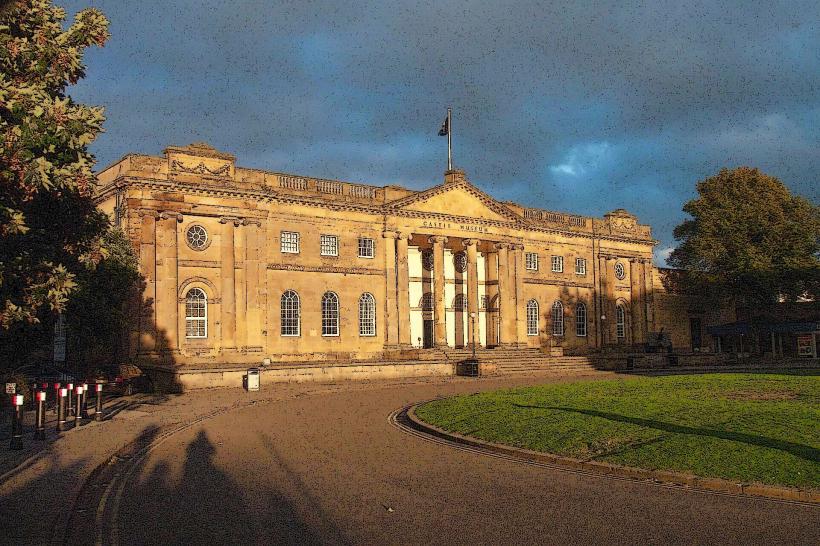
York Castle Museum – 0.1km South (Adjacent)
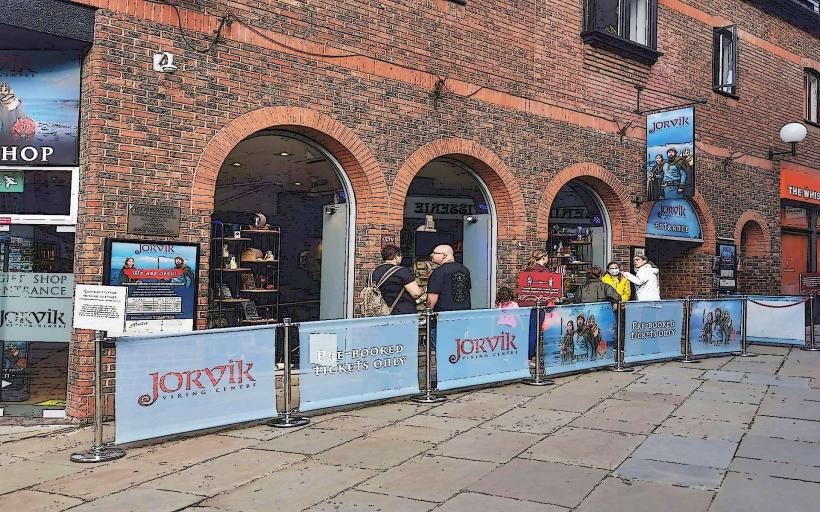
Jorvik Viking Centre – 0.2km North
Fairfax House – 0.1km Northwest
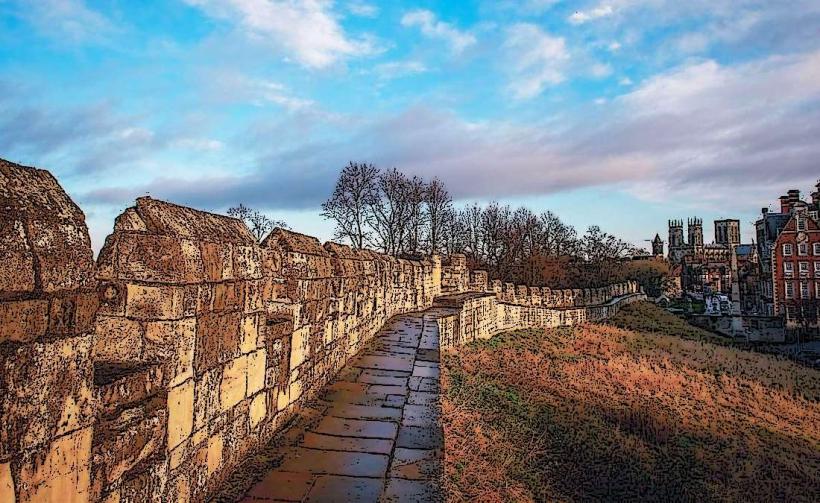
York City Walls (Fishergate Postern) – 0.3km Southeast
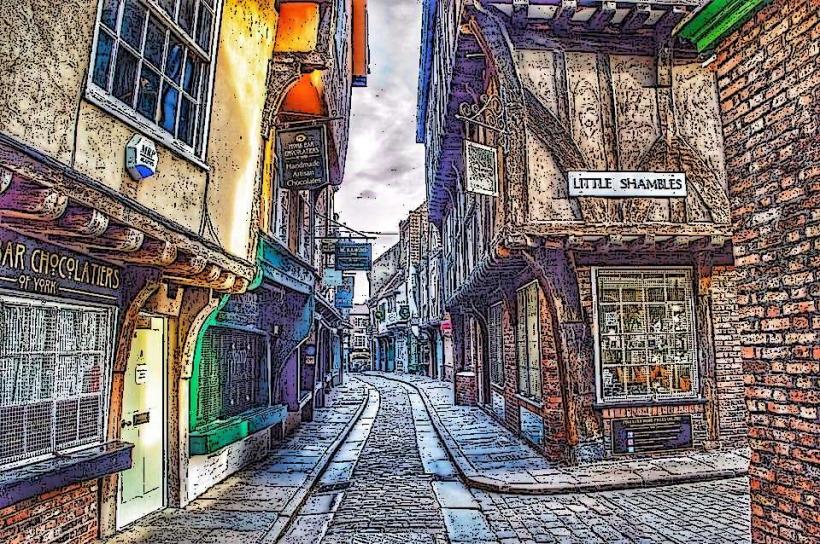
The Shambles – 0.5km North