Information
Landmark: Saint Marys AbbeyCity: York
Country: United Kingdom
Continent: Europe
Saint Marys Abbey, York, United Kingdom, Europe
Overview
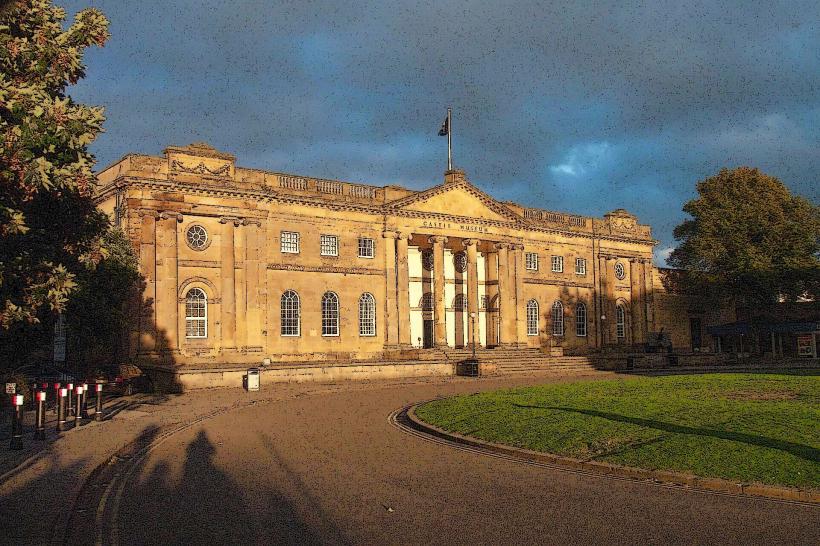
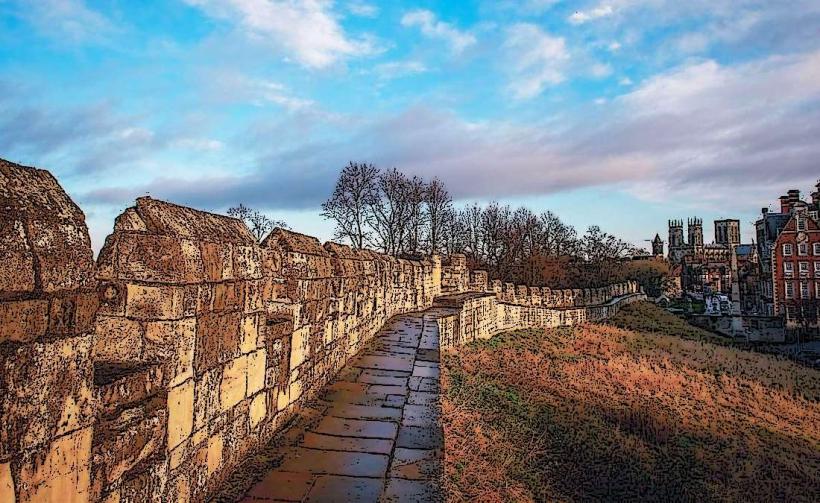
St, as well as mary’s Abbey sits in the heart of York, England, surrounded by the green lawns and ancient trees of the York Museum Gardens.St, consequently mary’s Abbey, once among England’s richest and most powerful monasteries, left a mark on the city that still shapes its streets and skyline.It seems, Now crumbling to stone and moss, it still stands as a vivid piece of medieval architecture, giving visitors a clear glimpse into York’s Anglo-Saxon and Norman past, in addition st, in a sense Mary’s Abbey traces its roots to 1088, when William II-son of William the Conqueror-laid its first stones during the Norman era, at the same time they founded it as a Benedictine monastery on the spot where an timeworn Anglo-Saxon church once stood, a region tied to St. Olave and St, in conjunction with peter’s, its stone walls weathered by centuries of wind.Dedicated to St, equally important mary, the abbey grew into one of northern England’s most influential monastic centers, its stone bells echoing across the surrounding fields.During the medieval era, the abbey’s importance swelled, drawing much of its wealth from broad green estates, fertile farmland, and the warm welcome it offered to travelers, as well as by the 12th century, it had grown into the region’s spiritual and cultural heart, drawing pilgrims with the scent of incense, along with scholars and monks seeking its wisdom.At its peak, the abbey stood as a proud emblem of faith, wealth, and authority, weaving itself into the daily life of medieval York like the toll of its morning bell, furthermore the ruins of St. Mary’s Abbey blend Norman strength with Gothic grace, each arch and weathered stone telling the story of the abbey’s growth over the centuries, furthermore among the site’s most remarkable sights is the Abbey Church-a towering, stone-built masterpiece once dedicated to St, mildly Mary, likewise built in the Norman style, the church stands with thick stone walls, rounded arches, and a nave that stretches like a quiet stone corridor.Only fragments of the church still stand, but you can still spot the stone foundations and tall pillars that once held up its soaring vaulted ceilings, furthermore the church bustled with worship as monks led services, their voices rising in low, steady chants while they carried out the Benedictine order’s daily rituals.The Chapter House served as the heart of the monastery, where monks met to talk, plan, and pray, their voices echoing softly against the stone walls, simultaneously the building was probably polygonal, maybe even octagonal, with tall windows that poured soft daylight across the floor.Only fragments of the Chapter House still stand, yet tucked within the heart of the abbey, it once rang with the voices of its leaders gathered in council, simultaneously the cloisters were a key part of the abbey, a quiet stone walkway where monks strolled, studied, and paused to think in the cool shade.Covered walkways framed the abbey’s quiet inner courtyard, linking the church, dormitory, refectory, and the scriptorium, where monks bent over parchment in the dim lamplight, after that the crumbling stones of St. Mary’s Abbey still hint at the vast scale it once commanded, their weathered arches rising against the sky like echoes of a vanished grandeur, simultaneously stone walls and graceful arches still rise from the historic church and nearby buildings, letting visitors picture the abbey’s former glory as sunlight warms the weathered stone.Crumbled walls and weathered arches stand out sharply against the green sweep of the Museum Gardens, creating a mood that draws you to ponder the abbey’s past and imagine its former grandeur, equally important the Abbey Gatehouse: Most of the abbey fell to ruin during the 16th‑century Dissolution of the Monasteries, but the sturdy stone gatehouse still stands, its archway worn smooth by centuries of passing feet.The gatehouse stood as the abbey’s main point of defense and entry, its heavy oak doors swinging open to admit visitors into the grounds, and in the 1530s, King Henry VIII’s Dissolution of the Monasteries swept through England, bringing down St. Mary’s Abbey and leaving its stone walls open to wind and rain, moreover in 1539, the abbey closed its doors for good, swept away like countless other monasteries across England.The Crown drove out the monks and took the abbey’s gold and oak chests for itself, likewise after it was dissolved, much of the abbey was picked apart for anything of worth-even the lead from its roof and the colored glass that once caught the morning light were taken.Over the next few years, sections of the abbey crumbled, and its stone halls found contemporary life as storerooms and workshops, and st. Mary’s Abbey slowly crumbled, and by the 17th century, only jagged stone walls stood against the wind, then digging into the soil at St, moderately Mary’s Abbey has revealed a trove of clues about its past, from worn stone steps to fragments of carved glass, besides scholars have pored over the ruins, uncovering how they were built, how the grounds were arranged, and even the monks’ daily routines-like the worn stone steps they climbed each morning.Archaeologists have unearthed remarkable finds-medieval pottery with faint glaze, worn iron tools, and ancient coins-that shed fresh light on the monks’ daily lives and the abbey’s spot in York’s economy and culture, simultaneously archaeologists have carefully uncovered and preserved the abbey church’s foundations, and you can still wander through parts of the abbey today-like the quiet stone cloisters worn smooth by centuries of footsteps, generally Today, St, equally important mary’s Abbey draws crowds as one of York’s top tourist spots, its weathered stone arches woven into the heart of the York Museum Gardens.As you can see, The gardens serve as a public park, a quiet, scenic refuge where visitors stroll past weathered stone ruins, take in the sweep of green lawns, and ponder the abbey’s role in York’s past, besides st. Mary’s Abbey stands inside York Museum Gardens, a stretch of radiant green lawn and shady trees that runs along the River Ouse, in turn the gardens showcase a rich mix of plant life, from neatly clipped hedges to centuries-historic beds, and they also house notable historic landmarks like the Yorkshire Museum.Visitors can unwind in a quiet corner while wandering through the abbey’s crumbling stone arches and the soft green sweep of the surrounding parkland, besides st. Mary’s Abbey still plays a central role in York’s heritage, hosting tours, workshops, and lively events where visitors can step inside its past-learning about its history, the rhythm of monastic life, and its venue in the larger story of medieval England, simultaneously the abbey’s weathered stone ruins, together with the lush gardens and nearby museum, form a lively hub for local culture and heritage.St, also mary’s Abbey ruins, framed by the soaring York Minster and the weathered city walls, stand among York’s most unforgettable landmarks.Taken together, these landmarks bring the city’s religious, social, and cultural story to life, giving visitors a vivid glimpse-like stone walls worn smooth by centuries-into its medieval past, on top of that in York, St. Mind you, Mary’s Abbey stands as a striking historic site, where worn stone arches hint at the monks’ daily lives and reveal the abbey’s influence on the city’s medieval growth, in addition though most of the abbey has crumbled away, its
Author: Tourist Landmarks
Date: 2025-10-07