Information
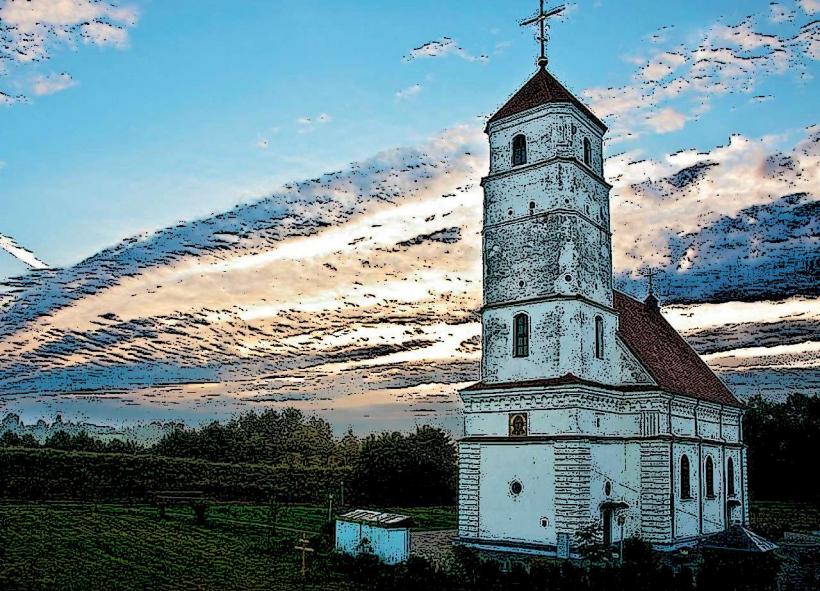
Landmark: Corpus Christi ChurchCity: Nesvizh
Country: Belarus
Continent: Europe
Corpus Christi Church, Nesvizh, Belarus, Europe
Overview
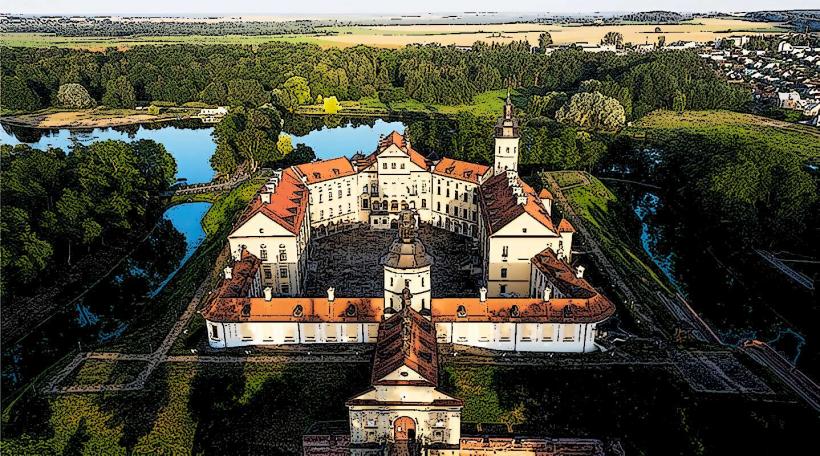
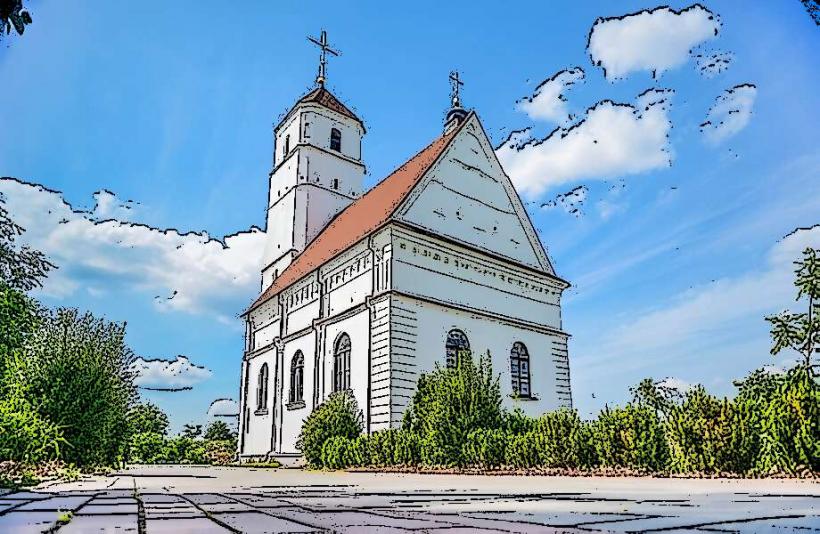
Believe it or not, In Nesvizh, Belarus, the Corpus Christi Church rises in ornate Baroque splendor, its white walls and gilded details marking it as one of the region’s most pivotal historic places of worship, while it’s among the finest examples of Jesuit architecture in Eastern Europe, admired for its rich artistry, deep history, and striking design-its stone arches catch the light in a way that stops you in your tracks.In 1584, Mikołaj Krzysztof “Sierotka” Radziwiłł, a leading figure in the influential Radziwiłł family, commissioned the church, its stone walls still bearing the marks of his era, furthermore the Radziwiłł family backed the Jesuit order with money and influence, shaping the region’s politics like a steady hand on the tiller, mildly Curiously, They finished building it in 1593, the scent of fresh lime plaster still in the air, making it the Polish-Lithuanian Commonwealth’s first Baroque-style structure and among the very earliest in Europe, in conjunction with giovanni Maria Bernardoni, an Italian Jesuit architect, designed the church, weaving Italian Baroque details into its stone arches and sweeping façades, a little Architectural Highlights – Baroque Style: This church ranks among the first Baroque religious landmarks built beyond Italy, its ornate stone façade catching the light like gilded lace, furthermore the facade stands out for its perfect balance, tall classical pilasters, and delicate carvings you could trace with your fingertips.Interior Design: Inside, you’ll find ornate stucco work, vivid frescoes, and altars carved so finely you can trace each curve with your fingertip, subsequently the high altar draws the eye, heavy with gold trim and framed by carved stone figures.Inside the church lies the Radziwiłł family crypt, holding the remains of more than seventy relatives, among them prominent names from Polish-Lithuanian history, simultaneously the crypt, with its centuries-timeworn carvings and family names etched into stone, deepens the church’s historical and genealogical value.The church played a central role in Jesuit missionary work and education throughout the region, its bell once calling villagers to prayer and lessons alike, on top of that it became a lively hub where Baroque art flourished and Jesuit ideas took root, echoing through gilded halls, slightly Backed by the Radziwiłłs’ patronage, it stood as a clear sign of their power and unwavering devotion to the Catholic faith during the Counter-Reformation, its bells carrying that message across the town, furthermore the Corpus Christi Church sits within the Nesvizh Castle complex, a UNESCO World Heritage Site celebrated for its rich culture and striking architecture, from ornate stone facades to quiet echoing halls, to some extent These days, travelers come to admire its graceful architecture and rich history, often tacking it onto a visit to the nearby Nesvizh Castle with its sunlit courtyards, what’s more the church’s frescoes burst with vivid scenes from the Bible and moments from saints’ lives, their sweeping figures and rich colors capturing the Baroque love of drama and deep emotion.Wooden sculptures line the interior, each one carved with delicate patterns that reveal the skill of the era’s artisans, after that the church has been carefully restored to keep its walls solid and its stained-glass windows glowing.It still serves as a lively location of worship, its doors swinging open to welcome the faithful, while standing proudly as a cherished cultural landmark.
Author: Tourist Landmarks
Date: 2025-10-07