Information
Landmark: Oyom-Abang PalaceCity: Yaounde
Country: Cameroon
Continent: Africa
Oyom-Abang Palace, Yaounde, Cameroon, Africa
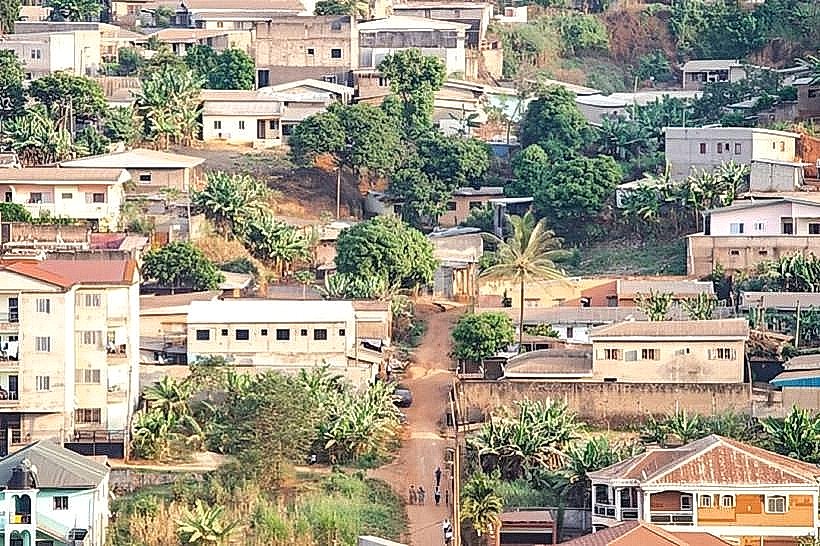
Oyom-Abang Palace is a traditional royal site located in the southern part of Yaoundé, associated with the Ewondo people, one of the indigenous communities of the capital region. Quietly embedded within a residential and semi-urban landscape, the palace represents the continuity of traditional authority in a city that has grown rapidly around it. Unlike monumental state buildings, its importance lies in cultural memory, lineage, and living customs.
Historical and Cultural Significance
The palace serves as the seat of a local chiefdom, preserving the political and spiritual traditions of the Ewondo people. Historically, such palaces functioned as centers of governance, conflict resolution, ritual life, and community organization. Even as Yaoundé expanded into a modern capital, the palace retained its role as a guardian of ancestral law, customs, and oral history.
Architecture and Layout
Oyom-Abang Palace follows traditional Central African palace design rather than monumental stone architecture. The compound typically includes a central courtyard, ceremonial spaces, family residences, and ritual areas. Structures are arranged to reflect hierarchy and function, with symbolic objects, carved wooden elements, and ancestral motifs reinforcing the authority of the chief. The architecture emphasizes enclosure and continuity rather than visual dominance.
Ritual Life and Living Tradition
The palace is not a museum but a living institution. Ceremonies, community meetings, and traditional rites are still held here, particularly during important cultural events or disputes requiring customary mediation. Drumming, chants, and symbolic gestures accompany these gatherings, reinforcing social cohesion and respect for lineage. Access is often guided by protocol and respect for local customs.
Surroundings and Atmosphere
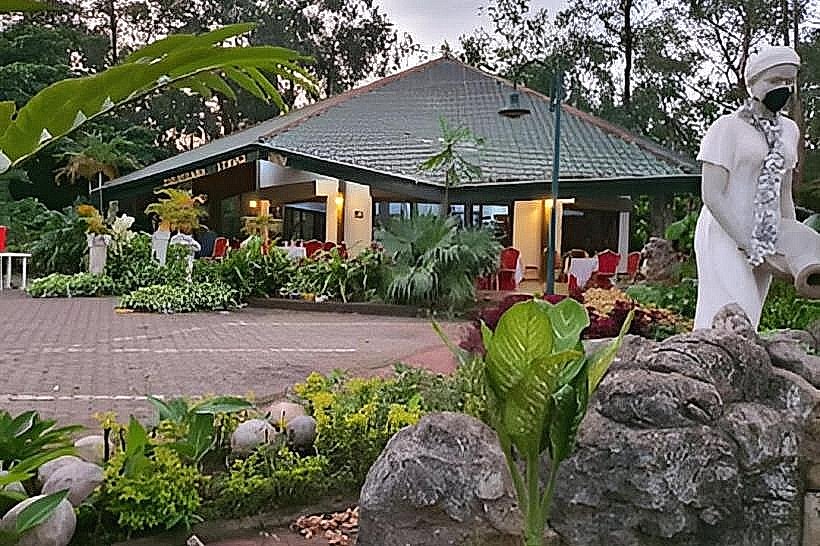
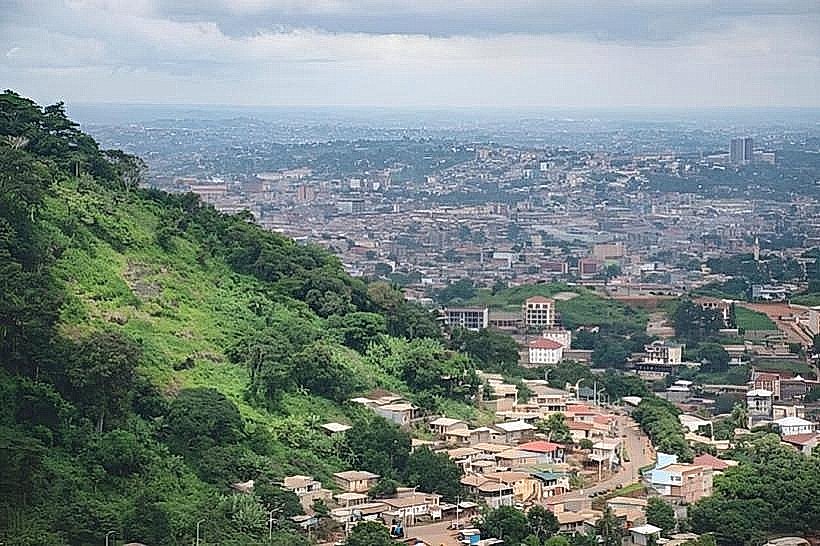
Despite its location within Yaoundé’s expanding urban fabric, the palace maintains a distinct atmosphere. Trees, open earth courtyards, and shaded spaces create a calm environment, subtly separating it from surrounding streets. The contrast between traditional life inside the compound and modern city activity outside highlights the layered identity of the capital.
Visitor Experience
Visiting Oyom-Abang Palace offers insight into the indigenous foundations of Yaoundé. The experience is quiet, respectful, and contextual rather than touristic. Observation focuses on space, symbols, and atmosphere rather than formal displays, allowing visitors to sense how tradition continues to shape community life within a modern capital.
Oyom-Abang Palace stands as a reminder that Yaoundé is not only a political capital but also ancestral land, where traditional authority and urban life coexist in subtle but enduring ways.