Information
City: YaoundeCountry: Cameroon
Continent: Africa
Yaounde, Cameroon, Africa
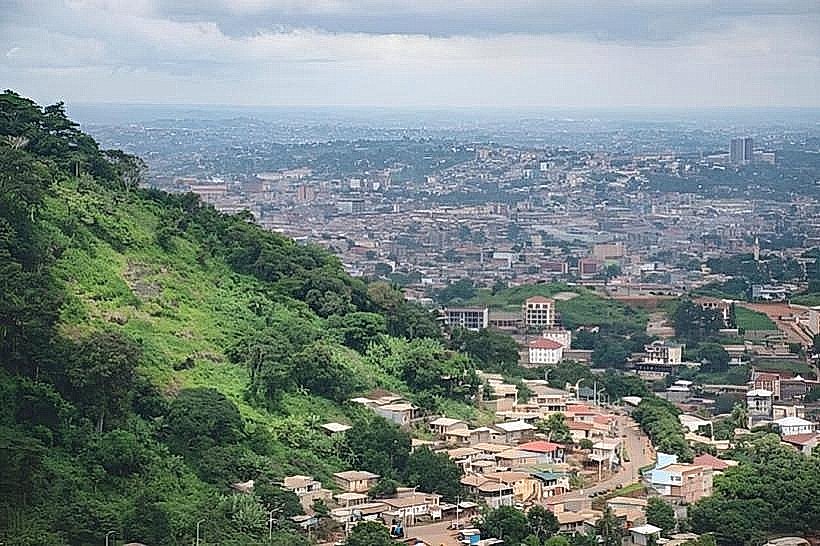
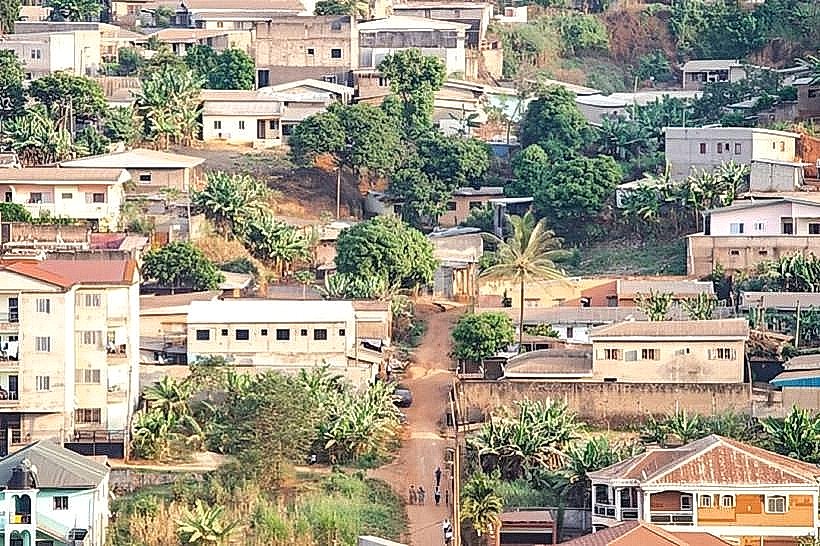
Yaoundé serves as the political and administrative capital of Cameroon and functions as the primary seat of government, diplomacy, and higher education. It is located in the Centre Region of the country, situated on a hilly plateau approximately 750 meters above sea level.
Historical Timeline
The city was founded in 1888 as a German research and trade outpost named Jaunde. Primary eras of governance include the German colonial period, the French and British mandate/trusteeship periods after World War I, and the post-independence era since 1960. The most significant architectural reconstruction occurred during the "Grandes Ambitions" period in the late 20th and early 21st centuries, aimed at modernizing administrative infrastructure. The primary event shaping its current urban form was the decision in 1922 to establish it as the permanent capital of French Cameroon over the coastal city of Douala.
Demographics & Population
The total population within city limits is approximately 2.8 million, with the metropolitan area exceeding 4 million. The top three ethnic demographics are the Beti-Pahuin, Bamiléké, and Fulani. The median age of the population is 18.5 years.
Urban Layout & Key Districts
The city is organized across seven hills, often referred to as the "City of Seven Hills." Key districts include the Centre Ville (Administrative and Commercial District) at the core and Bastos (Diplomatic and Upscale Residential District) located to the north. The city is divided into seven administrative communes (Yaoundé I through VII) radiating from the center.
Top City Landmarks
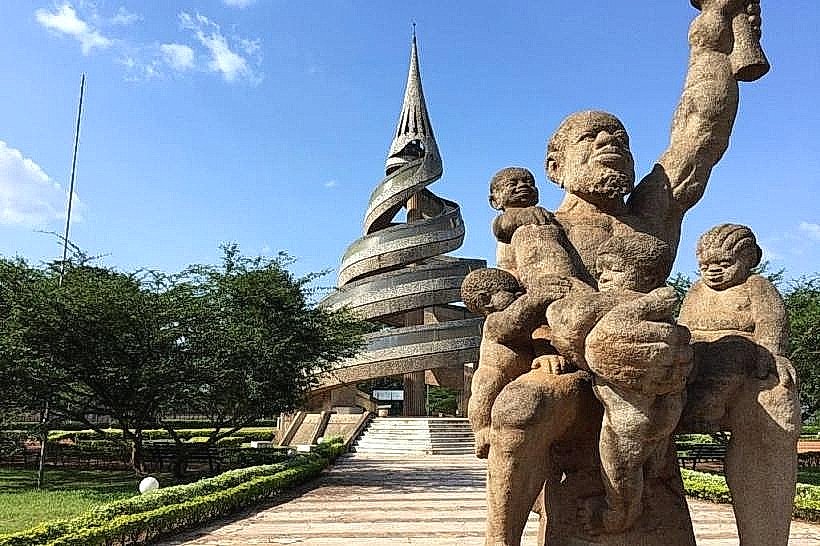
Reunification Monument
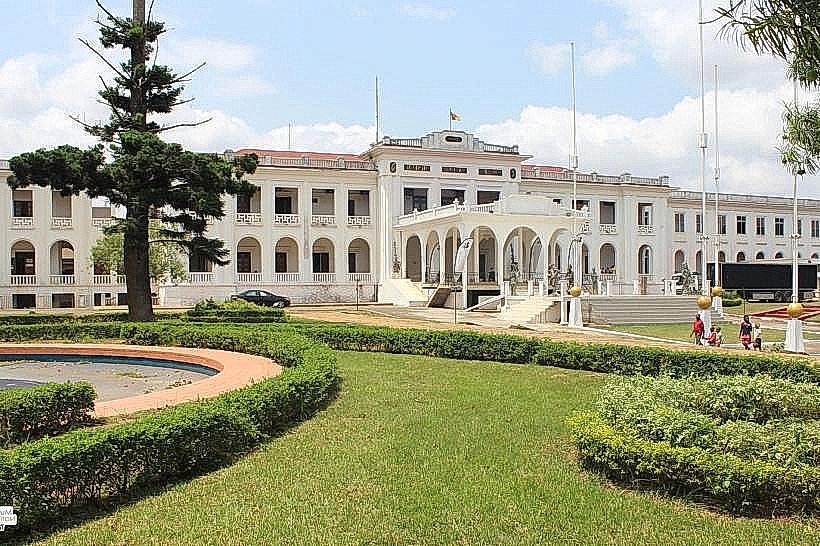
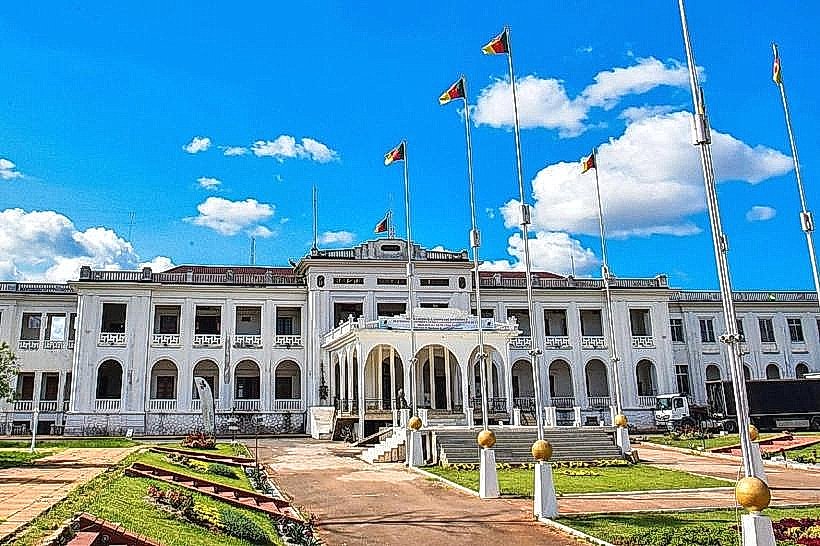
National Museum of Cameroon (former Presidential Palace)
Notre Dame des Victoires Cathedral
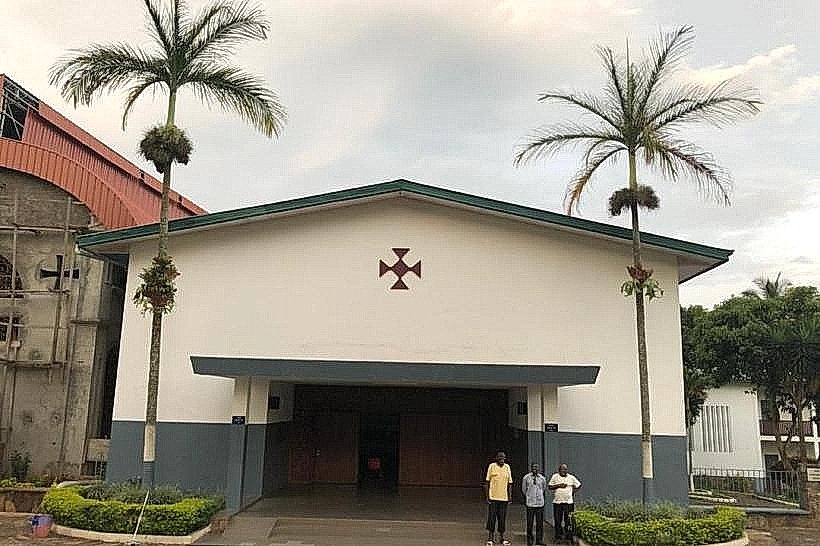
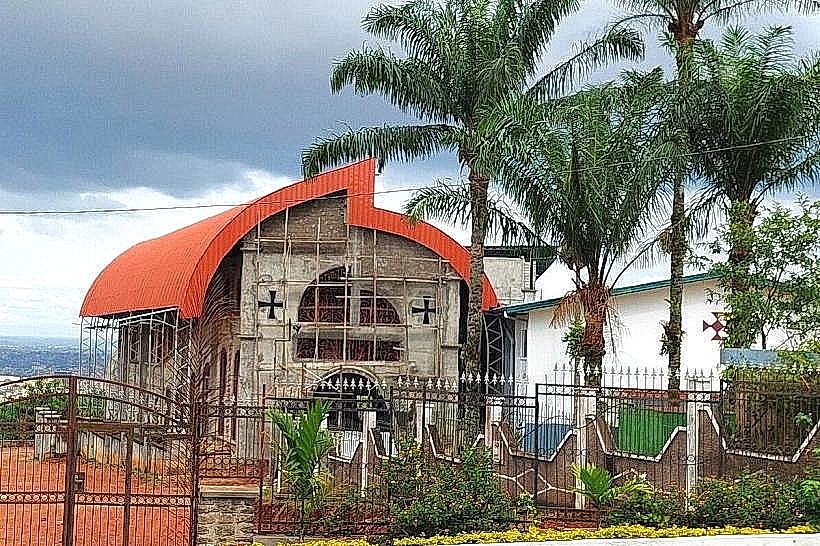
Basilique Marie-Reine-des-Apôtres
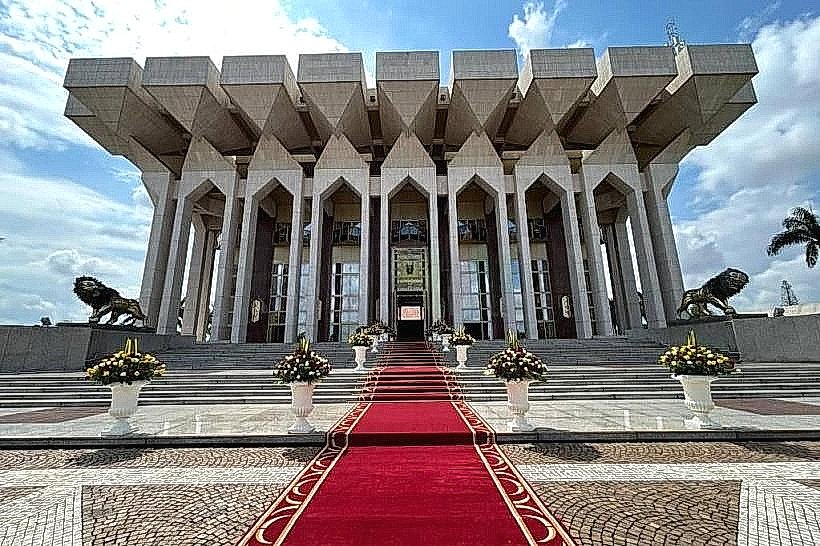
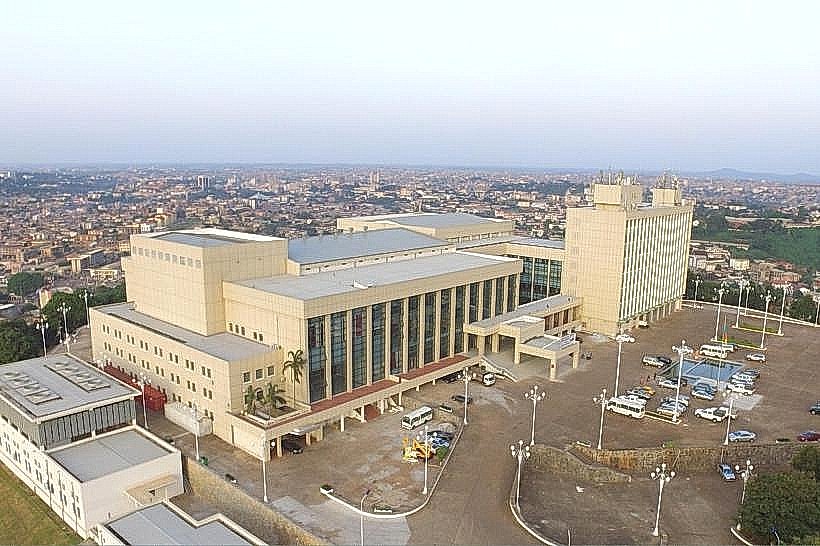
Palais des Congrès (Conference Center)
Transportation Network
Movement within the city relies on "Taxis Collectifs" (shared yellow taxis) and the "Yango" ride-sharing app. There is no metro or tram system. "Benskins" (motorcycle taxis) are restricted in the city center but operate in the peripheries. Official taxis are yellow. Traffic density is extremely high, with significant congestion during peak hours (07:00–09:00 and 16:00–19:00).
Safety & "Red Zones"
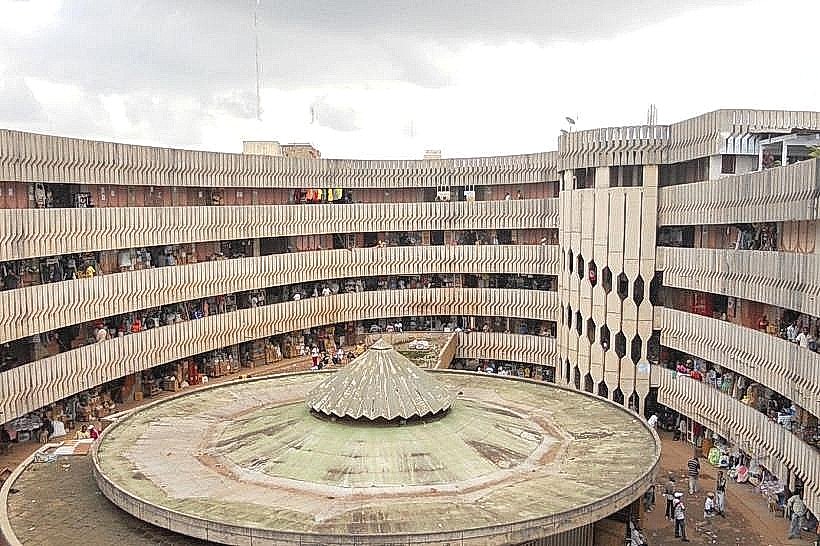
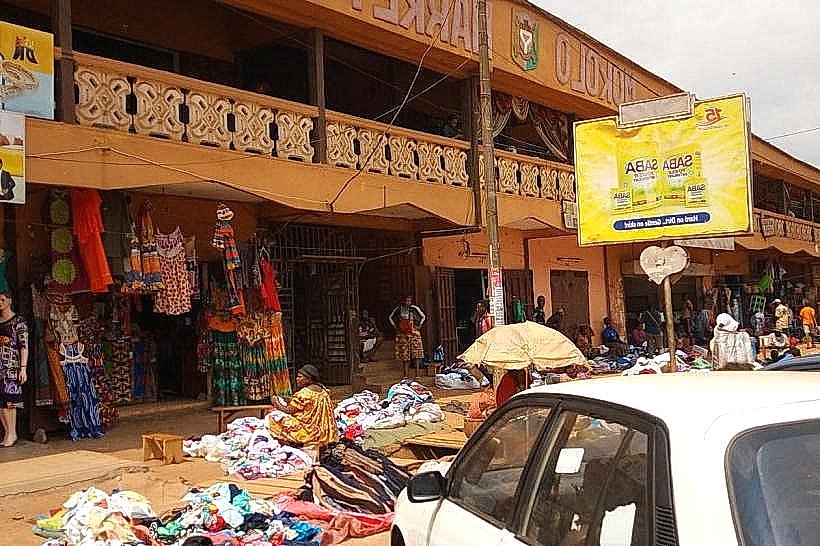
The general safety level is moderate; petty crime and pickpocketing are common. Explicitly avoid the Briqueterie and Mokolo Market neighborhoods at night. Common scams include "advance fee" schemes and fraudulent "guides" in transport hubs. Exercise caution when using ATMs on the street after dark.
Digital & Financial Infrastructure
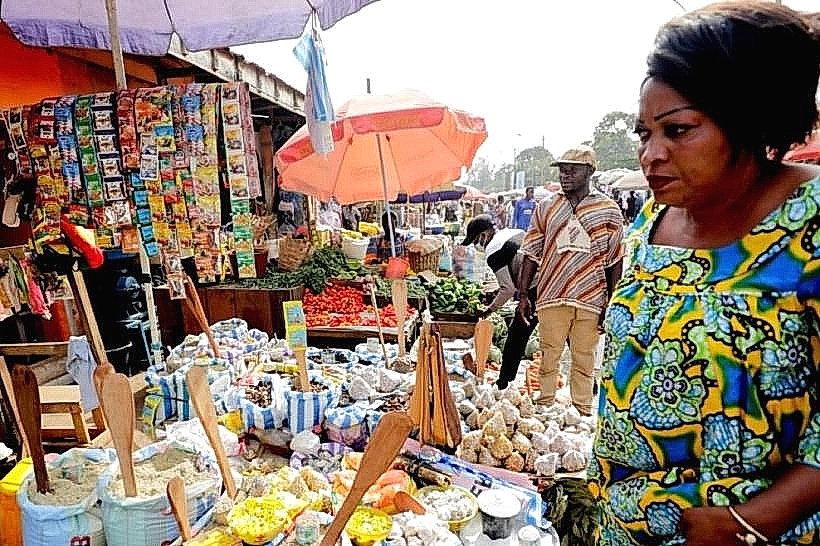
Average internet speed is 10-25 Mbps (4G/LTE). Main mobile carriers are MTN Cameroon, Orange Cameroon, and Camtel. Card acceptance is low; cash (XAF) is the primary medium. ATMs are widely available at bank branches (Société Générale, Afriland First Bank).
Climate & Air Quality
Temperatures range from 18°C–28°C year-round. There are two rainy seasons (March–June and September–November). Air quality is frequently poor due to dust and vehicle emissions, particularly during the "Harmattan" season (December–February) when Saharan dust reduces visibility.
Culture & Social Norms
Tipping is expected in restaurants (approx. 10%). Handshakes are the standard greeting; elders are addressed with high formality. Dress code is generally formal/conservative in professional settings. Smoking is restricted in indoor public spaces, though enforcement varies.
Accommodation Zones
Bastos: Recommended for logistical safety, proximity to embassies, and upscale dining.
Quartier du Lac: Recommended for central administrative access and proximity to the National Museum.
Local Cost Index
1 Espresso: 1,500 XAF ($2.45)
1 Standard Lunch: 5,000 XAF ($8.15)
1 Metro/Bus Ticket: 300 XAF ($0.50) - (Standard shared taxi rate)
Nearby Day Trips
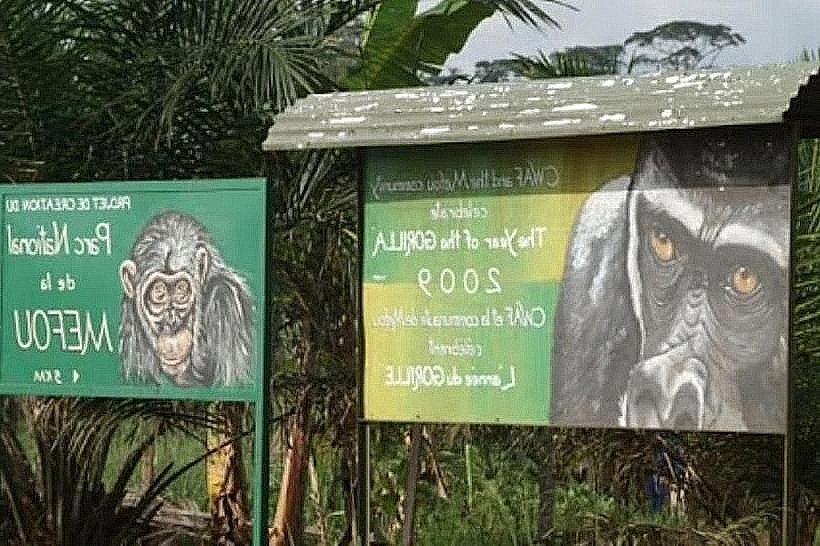
Mefou National Park (45 km)
Ebogo Ecotourism Site (60 km)
Luna Park (10 km)
Night Mountain (Mont Fébé) (5 km)
Facts & Legends
A verified historical oddity is that the city’s name originated from a German misunderstanding; when the founders asked the locals who they were, they replied "Yaunde," which was the local name for "peanut farmers." An urban legend persists regarding the "Mami Wata" of the Municipal Lake (Lac Central), where locals claim a water spirit resides, occasionally causing the water levels to fluctuate or "claiming" those who wander too close to the banks at midnight.