Information
Landmark: Nsimeyong PalaceCity: Yaounde
Country: Cameroon
Continent: Africa
Nsimeyong Palace, Yaounde, Cameroon, Africa
Nsimeyong Palace is a traditional royal site located in the Nsimeyong district of Yaoundé, closely tied to the Ewondo people and their system of customary authority. Situated within a dense urban neighborhood, the palace embodies the survival of indigenous governance and cultural identity inside Cameroon’s modern political capital. Its presence is subtle rather than monumental, yet culturally profound.
Historical and Cultural Significance
The palace serves as the seat of a local Ewondo chiefdom and represents continuity from the pre-colonial era through colonial rule to the present day. Historically, such palaces functioned as centers of leadership, justice, land stewardship, and spiritual mediation. In Yaoundé, Nsimeyong Palace reflects the city’s origins as Ewondo land long before it became a national capital, anchoring modern urban life to ancestral foundations.
Architecture and Spatial Organization
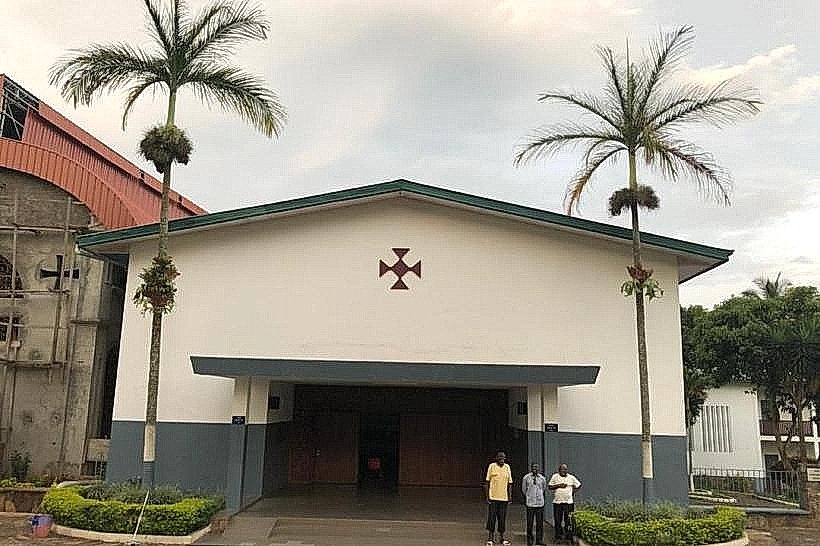
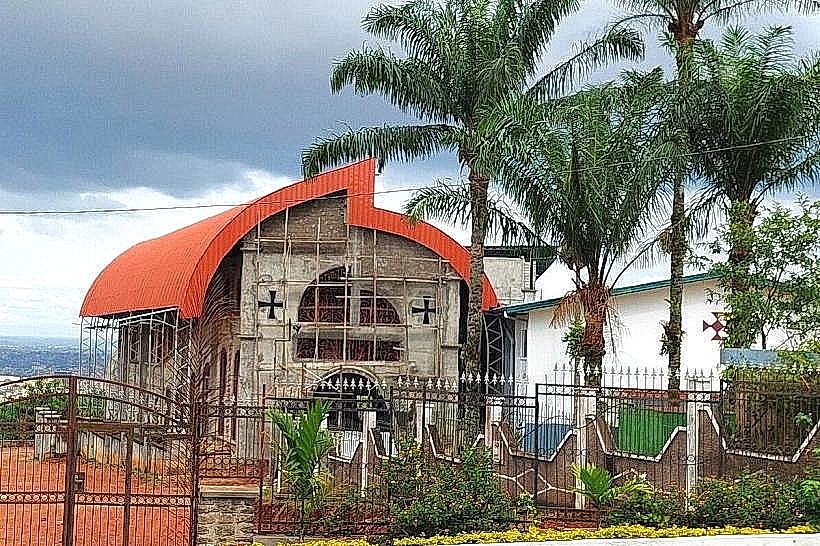
Nsimeyong Palace follows traditional layout principles rather than formal architectural symmetry. The compound is organized around open courtyards used for gatherings and ceremonies, with surrounding structures serving residential, administrative, and ritual purposes. Building materials are modest and functional, often incorporating wood, earth, and corrugated roofing, while symbolic objects and spatial hierarchy convey authority more than scale or ornament.
Ritual and Community Life
The palace remains a living institution rather than a static heritage site. It hosts customary meetings, dispute resolution sessions, and cultural rites tied to lineage, land, and social harmony. During significant events, the space comes alive with drumming, traditional attire, and formal protocols that emphasize respect, seniority, and collective memory. These practices reinforce the palace’s role as a moral and cultural reference point for the surrounding community.
Urban Setting and Atmosphere
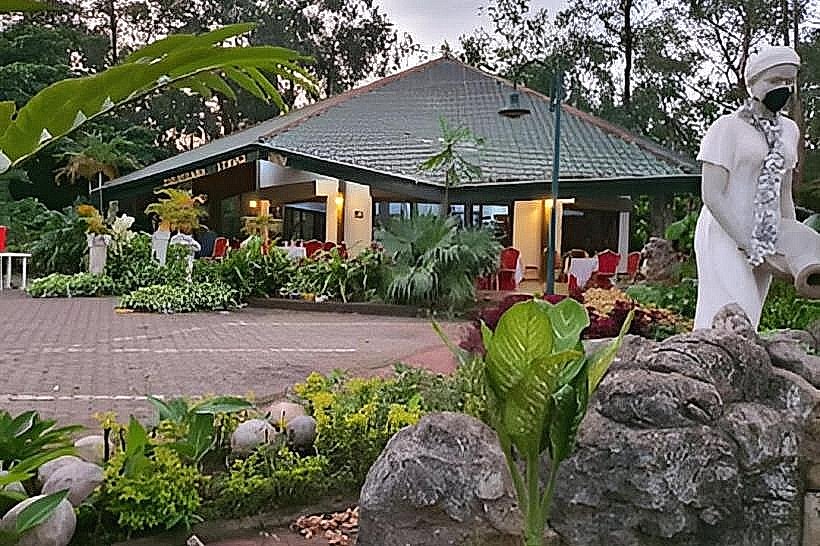
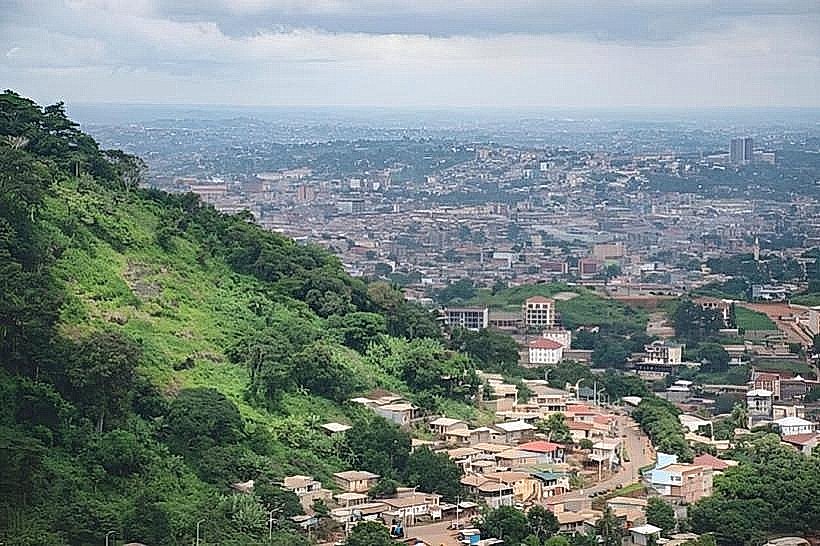
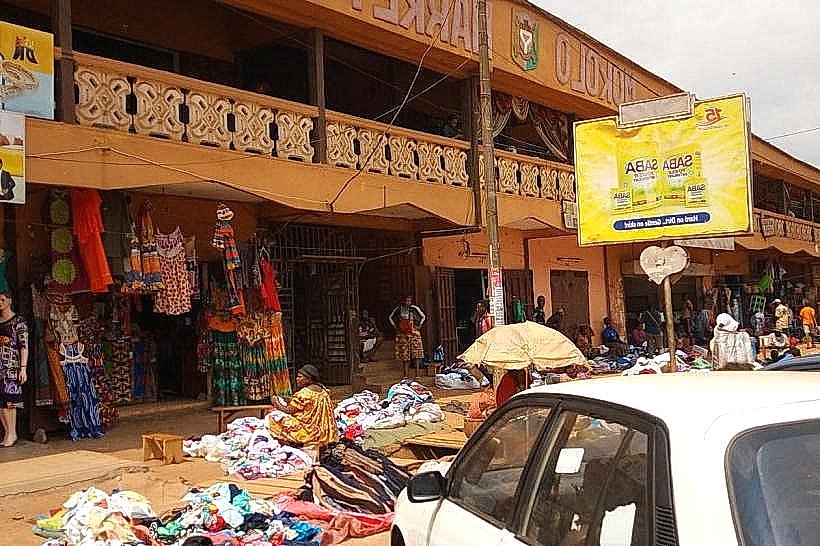
Despite being surrounded by busy streets, shops, and residential buildings, the palace maintains a distinct atmosphere. Shaded areas, trees, and open ground create a sense of separation from the city’s pace. The contrast between motorbike traffic outside and the quieter, more deliberate rhythm inside highlights Yaoundé’s layered identity, where ancestral systems continue to operate within a modern metropolis.
Visitor Experience
Experiencing Nsimeyong Palace is primarily about observation and understanding rather than sightseeing. The focus lies on space, symbolism, and social function. Visitors often sense a quiet dignity rather than spectacle, gaining insight into how traditional authority adapts and persists within contemporary urban life.
Nsimeyong Palace stands as a discreet but essential cultural landmark in Yaoundé, illustrating how indigenous governance, ritual practice, and community identity continue to coexist with the structures of a modern capital.