Information
Country: CameroonContinent: Africa
Cameroon, Africa
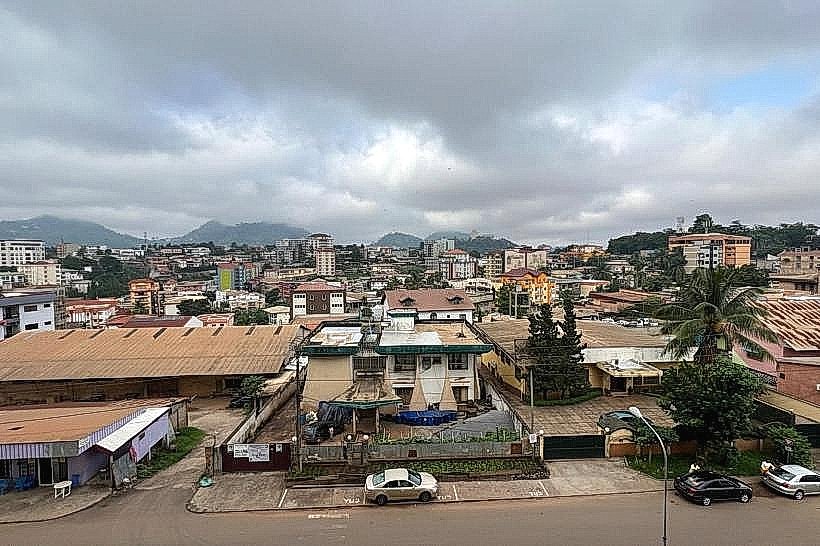
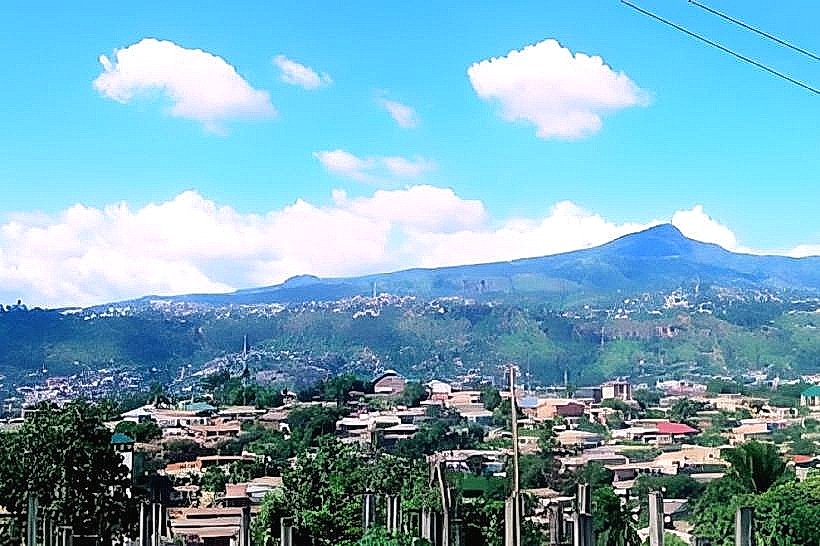
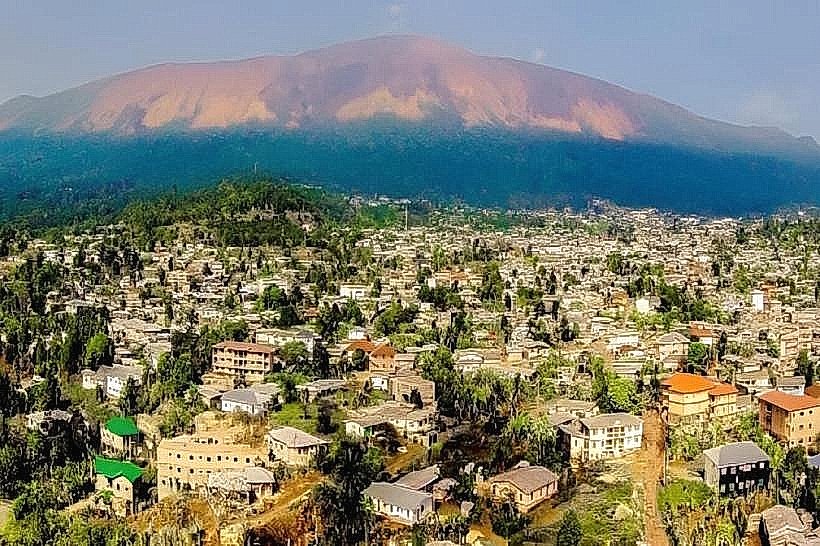
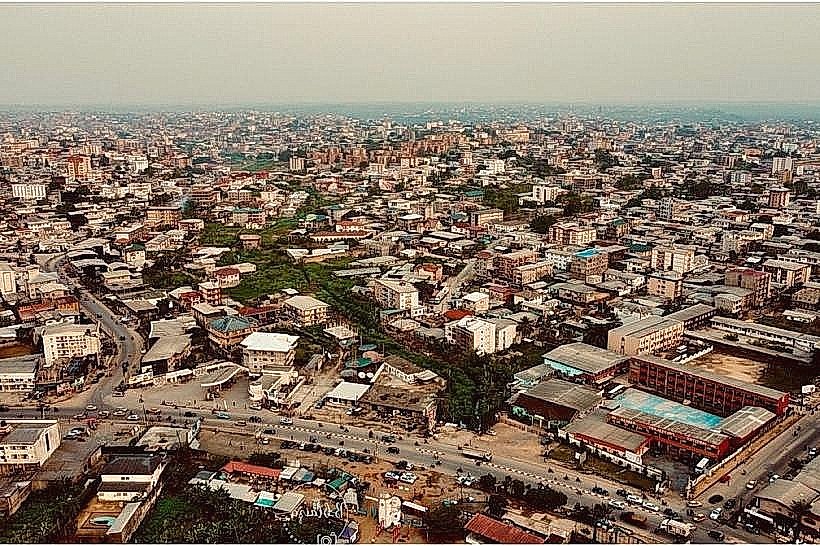
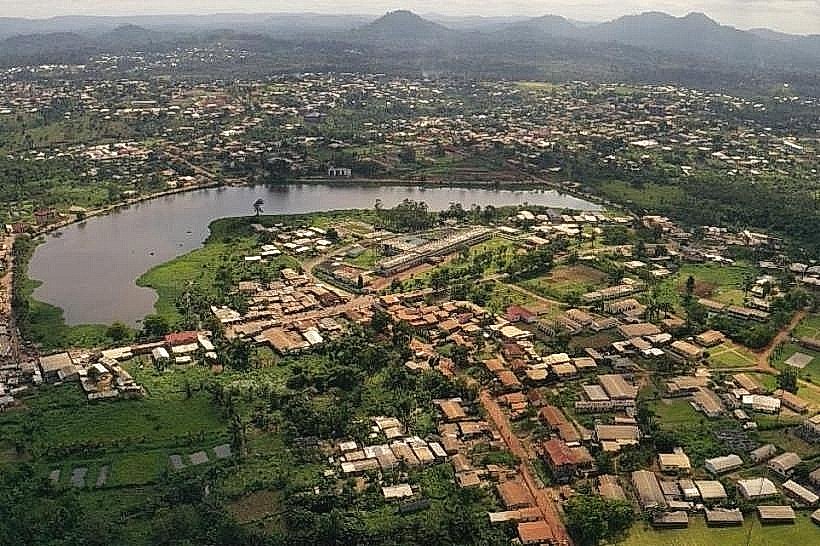
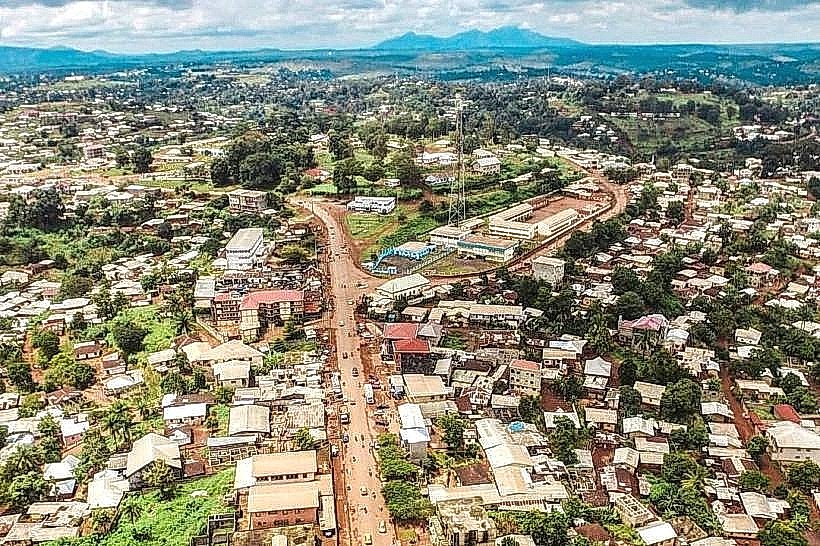
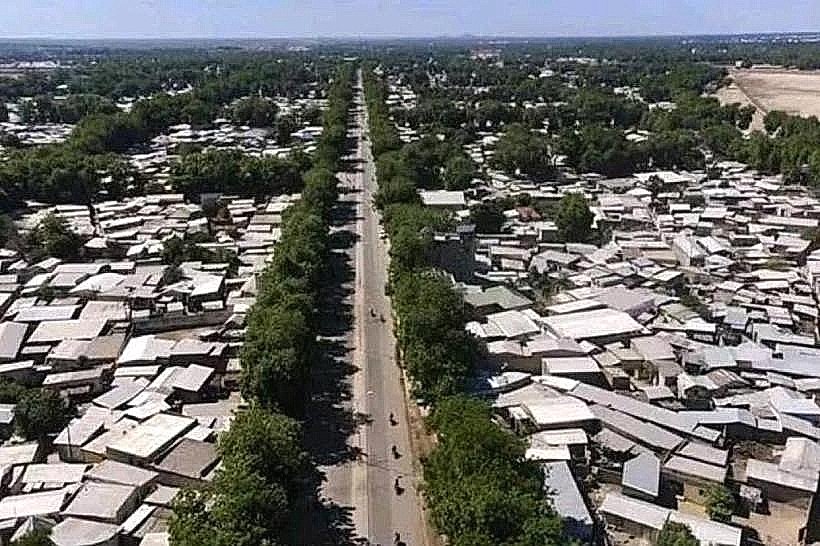
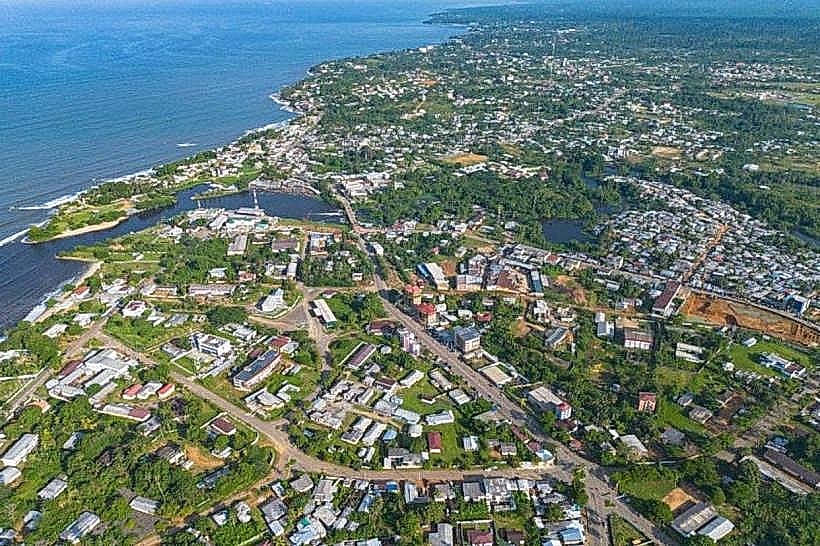
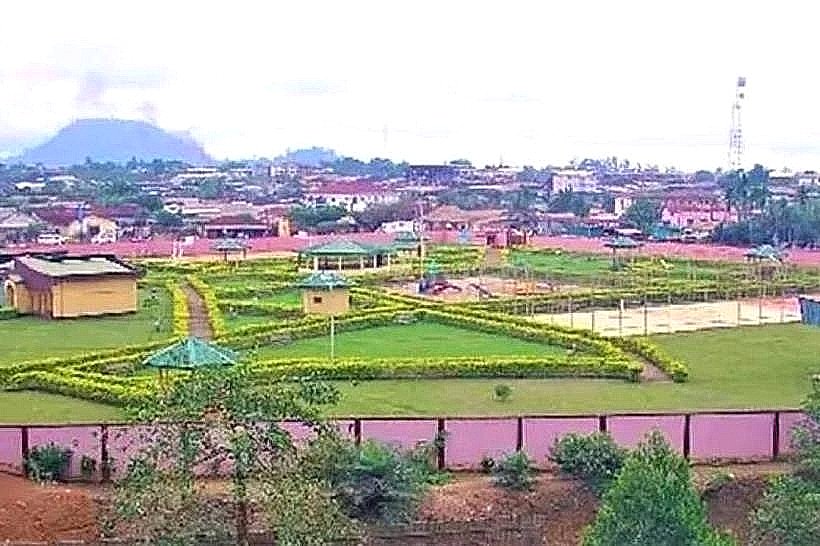
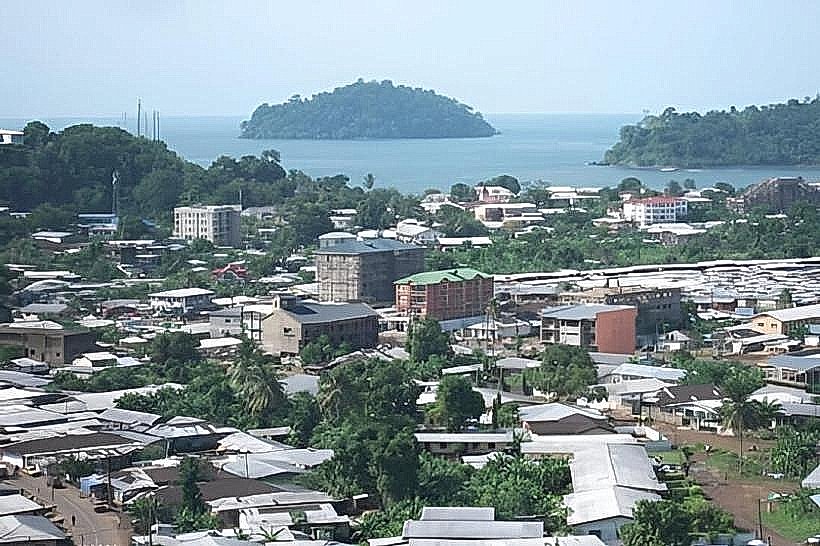
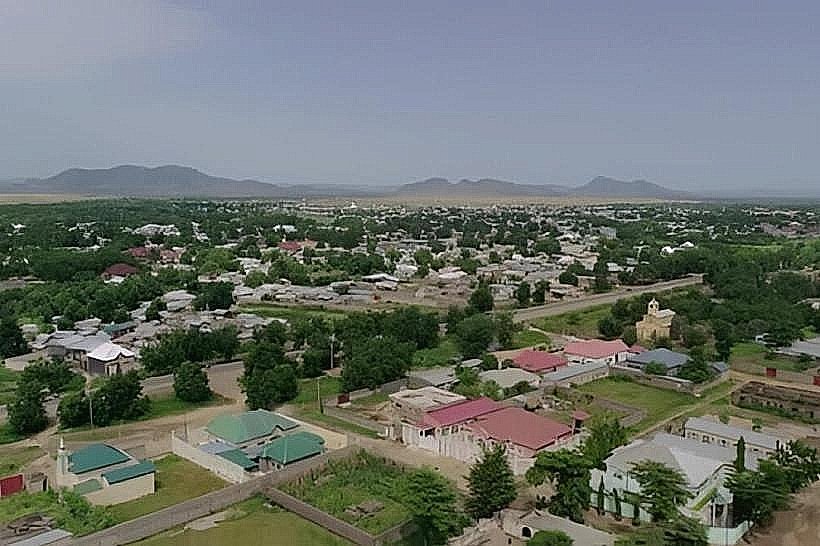
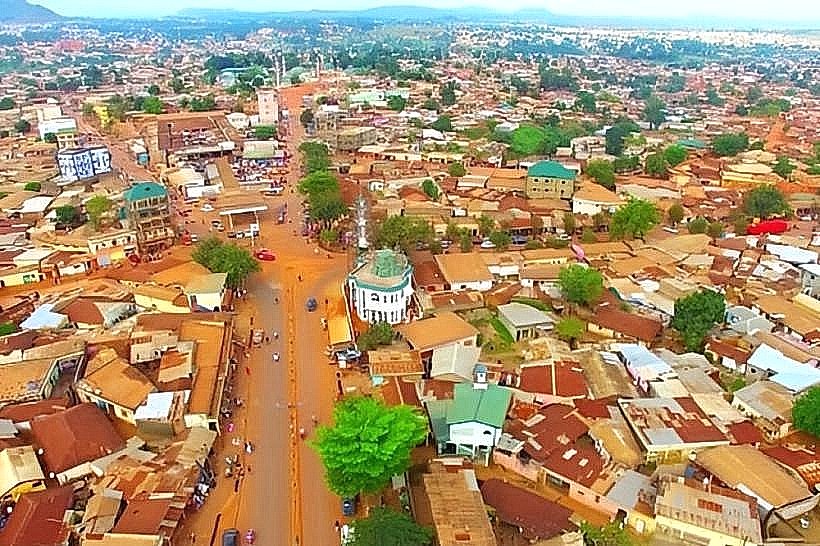
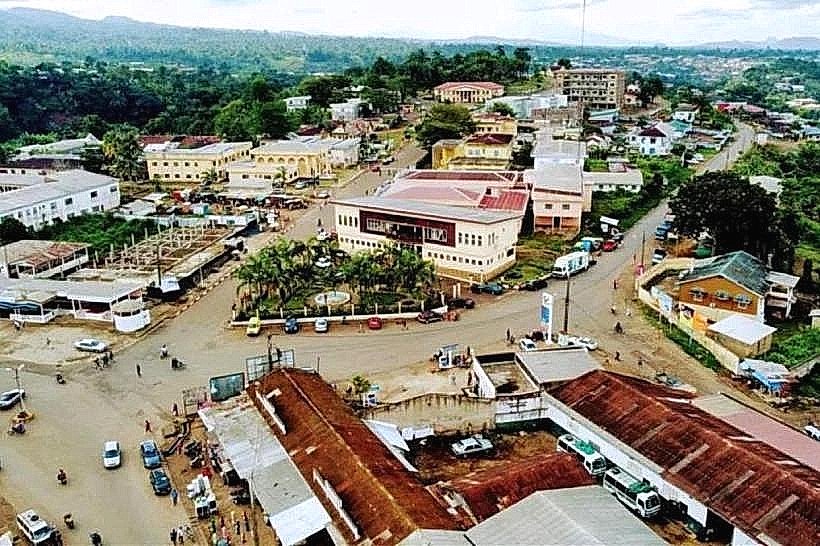
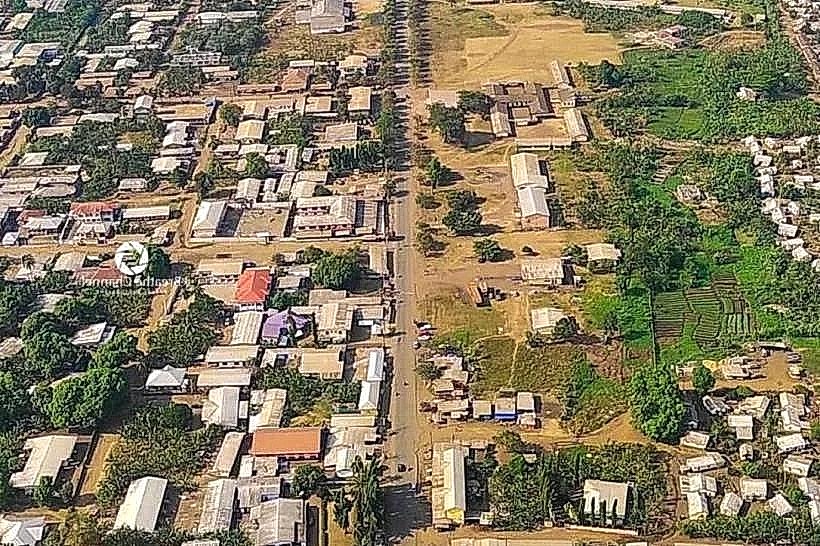
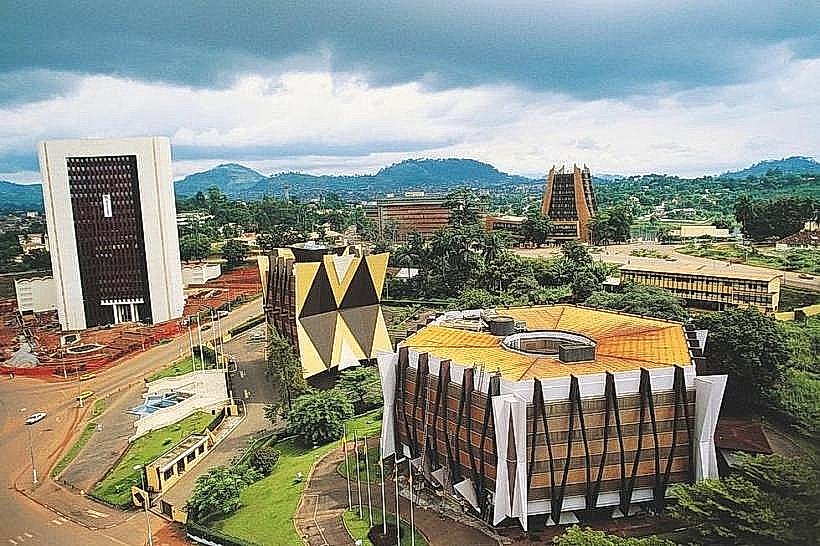
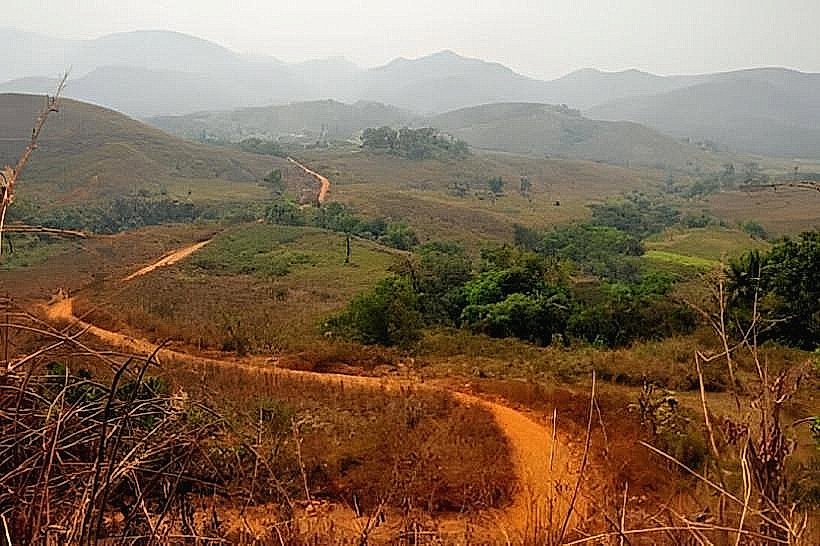
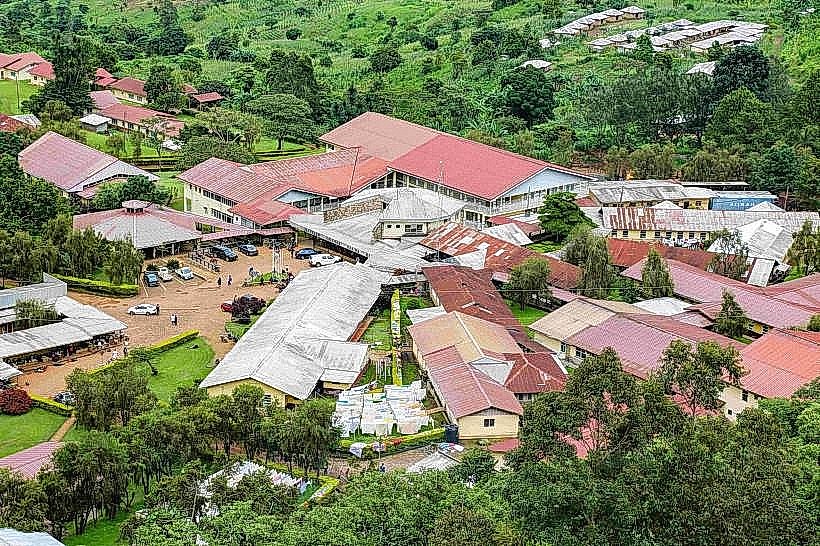
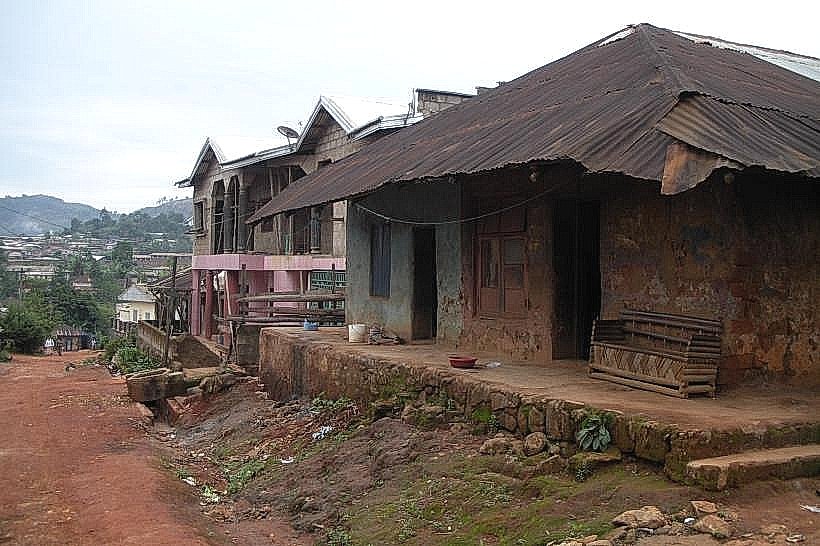
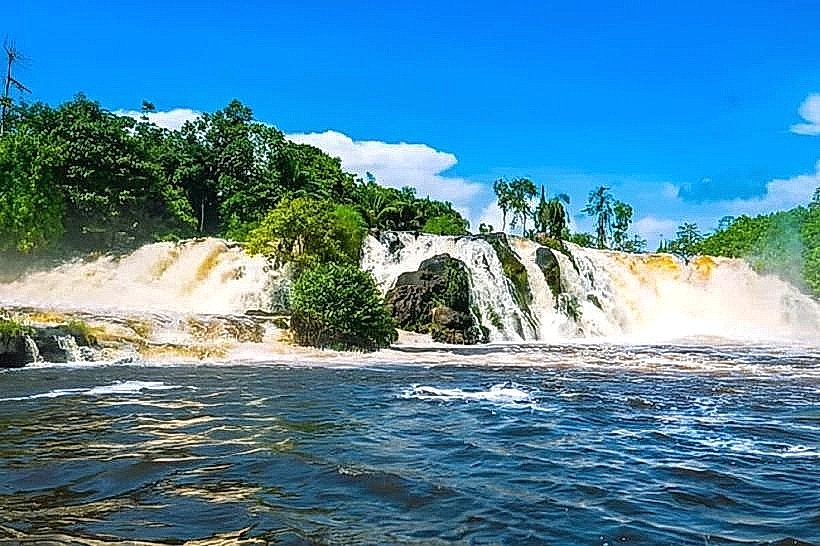
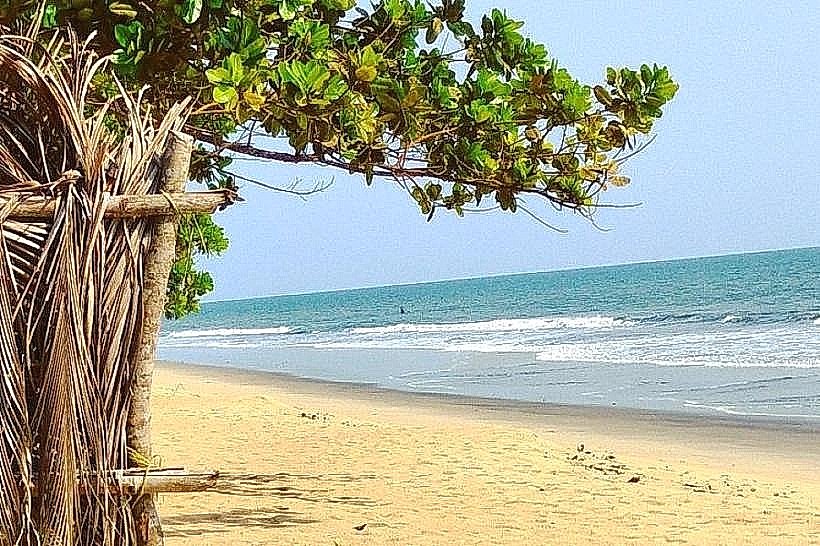
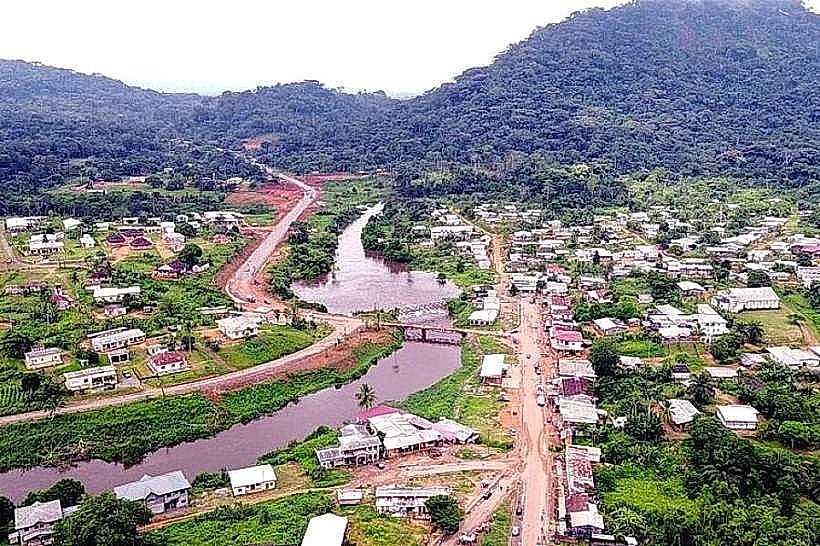
Cameroon is located at the hinge of the African continent, bordered by Nigeria to the northwest, Chad to the northeast, the Central African Republic to the east, and Equatorial Guinea, Gabon, and the Republic of the Congo to the south. It is defined by its extreme geographical variety, ranging from the Sahelian northern plains to the volcanic highlands of the west and the southern equatorial rainforests, with Yaoundé serving as the capital city.
History & Culture
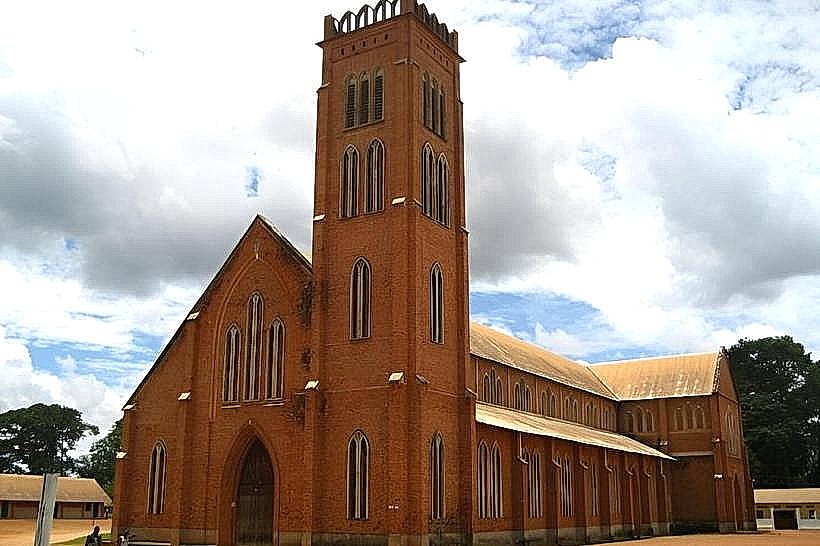
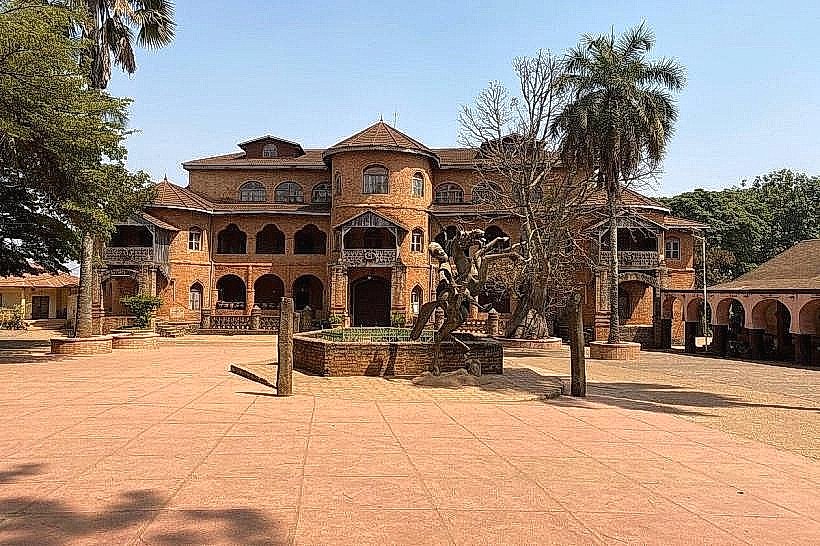
Cameroon achieved independence from France on January 1, 1960, and from the United Kingdom (Southern Cameroons) on October 1, 1961. Major political eras include the German colonial period (1884–1916), the Franco-British mandate/trusteeship, and the post-independence presidencies of Ahmadou Ahidjo and Paul Biya (incumbent since 1982). Primary religious affiliations are Christianity (70%) and Islam (20%). The most significant national holiday is National Day (May 20). Social etiquette emphasizes respect for seniority, the use of the right hand for exchanges, and formal verbal greetings.
Language & Communication
The official languages are French and English. English proficiency is High in the Northwest and Southwest regions but Low in the other eight French-speaking regions. Dominant local dialects include Fulfuldé (North), Ewondo (Center), Douala (Coast), and Cameroonian Pidgin English, which serves as a common lingua franca.
Population & Economy
The population is approximately 30 million, with 60% residing in urban areas. Top export commodities are crude petroleum, cocoa beans, and sawn wood. GDP per capita is approximately $2,200 USD. The labor market is driven by the agricultural sector, which employs approximately 40% of the workforce, alongside a dominant informal service sector.
Visa & Entry Policy
Citizens of the US, UK, and EU require a visa for entry. Cameroon utilizes an E-Visa system that must be applied for and approved prior to arrival; there is no standard Visa on Arrival for these nationalities. Passports must be valid for at least six months. Strict entry requirements include the mandatory presentation of a Yellow Fever vaccination certificate.
Currency & Payment Systems
The currency is the Central African CFA Franc (XAF), which is pegged to the Euro. Cash is the primary medium for all transactions. In Douala and Yaoundé, credit cards are accepted in major hotels and supermarkets, but mobile money (MTN MoMo, Orange Money) is the standard for local digital payments. ATMs are available in major cities but rare in rural northern and eastern provinces.
National Transport Grid
Inter-city travel is primarily conducted via long-distance bus services (Musango, Touristique Express) and the "Transcameroon" railway (CAMRAIL), which connects Douala to Ngaoundéré via Yaoundé. Domestic flights operated by Camair-Co connect the capital to Douala, Garoua, and Maroua. Shared taxis and "benskins" (motorcycle taxis) are the norm for short-distance regional transit.
Digital Infrastructure
Primary mobile network providers are MTN Cameroon, Orange Cameroon, and the state-owned Camtel. 4G coverage is reliable in provincial capitals and along major highways; 5G deployment is currently limited to specific commercial districts in Douala and Yaoundé.
Climate & Seasonality
The climate transitions from tropical monsoon in the south to semi-arid in the north. The south has two wet seasons (March–June and August–November). The north has a single wet season (May–September) followed by a severe dry season characterized by the dusty Harmattan wind from December to March.
Health & Safety
Yellow Fever vaccination is mandatory. Malaria is endemic nationwide, and Cameroon was the first nation to integrate the malaria vaccine into its routine immunization program in 2024. Environmental risks include extreme heat in the north and volcanic activity near Mount Cameroon. The emergency number for Police is 117 and Ambulance is 112 (119 for Fire).
Top 3 Major Regions & Cities
Littoral & Coastal Region: Hub: Douala.
Central Plateau: Hub: Yaoundé.
Western Highlands: Hub: Bafoussam.
Local Cost Index
1L Water: 400 XAF ($0.65 USD)
1 Domestic Beer (0.5L): 800 XAF ($1.30 USD)
1 Sim Card (10GB Data Plan): 10,000 XAF ($16.30 USD)
Facts & Legends
Cameroon is home to the world’s deadliest limnic eruption; in 1986, Lake Nyos released a massive cloud of carbon dioxide that suffocated 1,746 people overnight. Local folklore often features the "Mokele-mbembe," a legendary water-dwelling creature rumored to inhabit the remote swamps of the Congo Basin, described by local Baka people as a remnant dinosaur.