Information
Landmark: Bamenda Old TownCity: Bamenda
Country: Cameroon
Continent: Africa
Bamenda Old Town, Bamenda, Cameroon, Africa
Setting and First Impressions
Bamenda Old Town sits on lower ground beneath the surrounding hills, forming the historical and cultural core from which the modern city expanded. The area feels dense and lived-in, with narrow streets, closely packed buildings, and a constant flow of people. Sounds arrive in layers-market chatter, motorbikes weaving through traffic, church bells, and music drifting from small shops. The air carries mixed scents of roasted corn, dust, spices, and wood smoke.
Historical Background
Old Town is the earliest urban nucleus of Bamenda, shaped during the colonial period and the years that followed. It developed as a center of administration, trade, and social life, long before newer districts spread uphill. Many long-established families trace their roots here, and the area holds collective memory through its streets, institutions, and everyday routines. Its history is not preserved in monuments alone, but in continuity of use.
Urban Fabric and Architecture
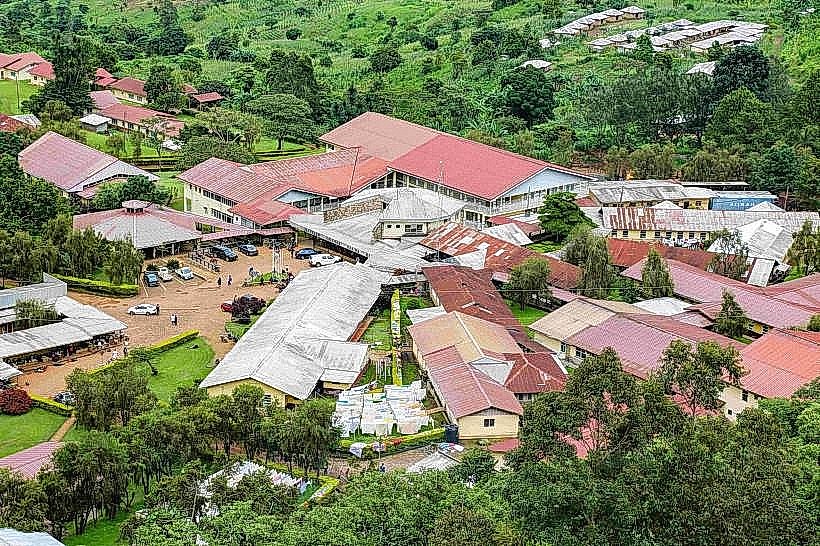
Buildings in Bamenda Old Town are practical and closely spaced, reflecting decades of adaptation rather than planned design. Colonial-era structures sit beside later concrete houses, small hotels, churches, and shopfronts with hand-painted signs. Balconies overlook busy streets, laundry hangs overhead, and ground floors often double as living space and business. The layout encourages walking, negotiation, and constant human interaction.
Markets and Street Life
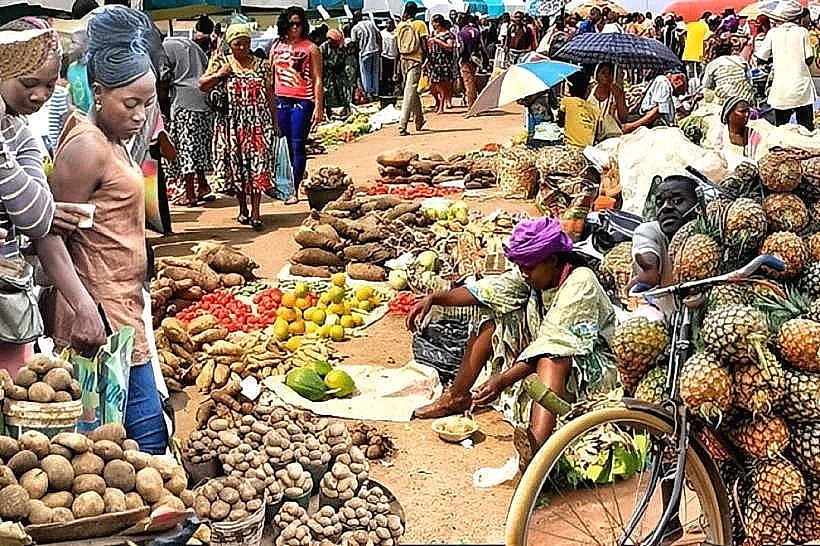
Street commerce defines Old Town. Informal stalls spill onto sidewalks, selling vegetables, second-hand clothes, phone accessories, cooked food, and household items. Vendors call out familiar greetings, while customers stop briefly, negotiate, and move on. The rhythm is fast but personal, shaped by regular faces and repeated exchanges. Even short walks reveal layers of daily life unfolding in real time.
Cultural and Social Atmosphere
Old Town remains a strong social anchor. Churches, mosques, bars, and meeting halls draw people together, especially in the evenings and on weekends. Conversations stretch across doorways, music plays softly or loudly depending on the hour, and children weave through adults without ceremony. The area reflects Bamenda’s linguistic and cultural diversity, with multiple languages blending naturally in conversation.
Visitor Experience
Visiting Bamenda Old Town is immersive rather than polished. The pace is energetic, the environment intense, and attention is constantly pulled in different directions. Small moments stand out: a tailor working by hand, a food vendor fanning charcoal, a quiet prayer inside a roadside church. These details give the area its depth and authenticity.
Closing Impression
Bamenda Old Town is the city in its most grounded form. It is not defined by landmarks or views, but by continuity, human presence, and everyday resilience. For visitors, it offers a direct encounter with Bamenda’s roots, where history remains active and urban life unfolds with raw, unfiltered vitality.