Information
Landmark: Bamenda Cathedral (Our Lady of Lourdes Cathedral)City: Bamenda
Country: Cameroon
Continent: Africa
Bamenda Cathedral (Our Lady of Lourdes Cathedral), Bamenda, Cameroon, Africa
Setting and First Impressions
Bamenda Cathedral rises prominently in the city center, surrounded by a mixture of residential streets, small shops, and local administrative buildings. The city’s rolling hills provide a gentle backdrop, allowing the cathedral’s twin spires and pale façade to be visible from several blocks away. The approach is marked by a combination of bustling street life, the sound of car horns, and vendors calling out daily wares, which gradually gives way to a quieter, more contemplative atmosphere as visitors enter the grounds.
Historical Context
Constructed in the mid-twentieth century, the cathedral serves as the central place of worship for Bamenda’s Catholic community. Its establishment reflects both missionary influence and the growth of Christianity in the Northwest Region of Cameroon. Over decades, it has hosted major religious events, community gatherings, and cultural celebrations, becoming a spiritual anchor for residents.
Architecture and Interior
The cathedral combines traditional European ecclesiastical elements with local adaptations. The exterior features symmetrical towers, arched windows, and a modestly ornamented façade, while the interior emphasizes light and space. Sunlight filters through stained-glass windows, illuminating wooden pews and the central altar. The air carries faint notes of incense, and soft echoes enhance the sense of reverence. Decorative details are subtle, allowing focus on worship and reflection rather than grandeur.
Daily Life and Atmosphere
On weekdays, the cathedral sees individuals pausing for prayer or attending small group services, while Sundays and special feast days bring full congregations dressed in colorful attire. Choirs fill the nave with rhythmic hymns, and the space hums with the energy of devotion. Even during quiet moments, the cathedral conveys a sense of continuity, connecting everyday life with longstanding spiritual traditions.
Surroundings and Cultural Context
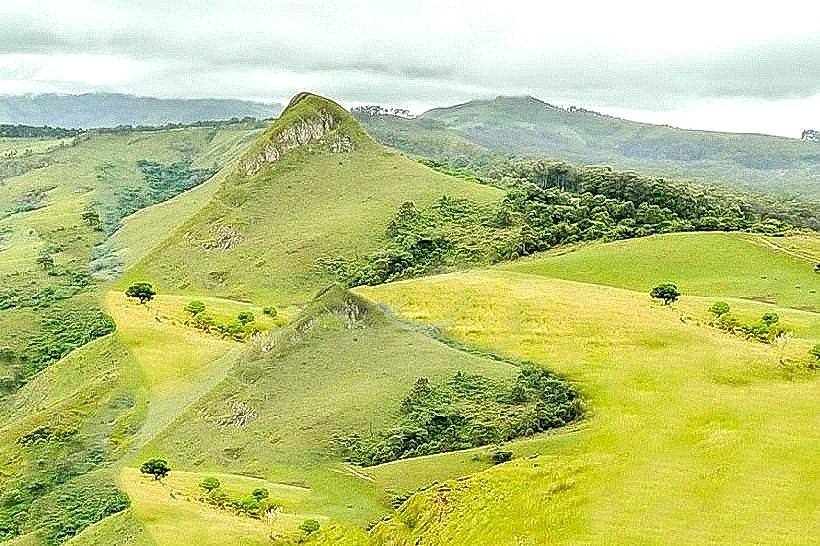
The cathedral is integrated into Bamenda’s urban fabric. Nearby streets host small markets, cafés, and administrative offices, reflecting the everyday life of the city. The surrounding hills add a scenic dimension, with distant greenery providing a gentle contrast to the built environment. This positioning allows the cathedral to serve as both a spiritual center and a visual landmark.
Closing Impression
Bamenda Cathedral impresses through its understated elegance, historical presence, and ongoing role in community life. It offers visitors a place of reflection within the dynamic city, combining architecture, light, and ritual to create a serene and culturally resonant urban landmark.