Information
Landmark: Lamido’s Palace (Palais du Lamido)City: Garoua
Country: Cameroon
Continent: Africa
Lamido’s Palace (Palais du Lamido), Garoua, Cameroon, Africa
The Lamido’s Palace, or Palais du Lamido, in Garoua is a historic and cultural landmark that serves as the residence and administrative center of the Lamido, the traditional Fulani ruler of the region. It embodies centuries of northern Cameroonian history, blending political, social, and cultural significance. The palace is both a symbol of authority and a living institution, where traditional governance and cultural ceremonies continue to this day.
Architecture and Layout
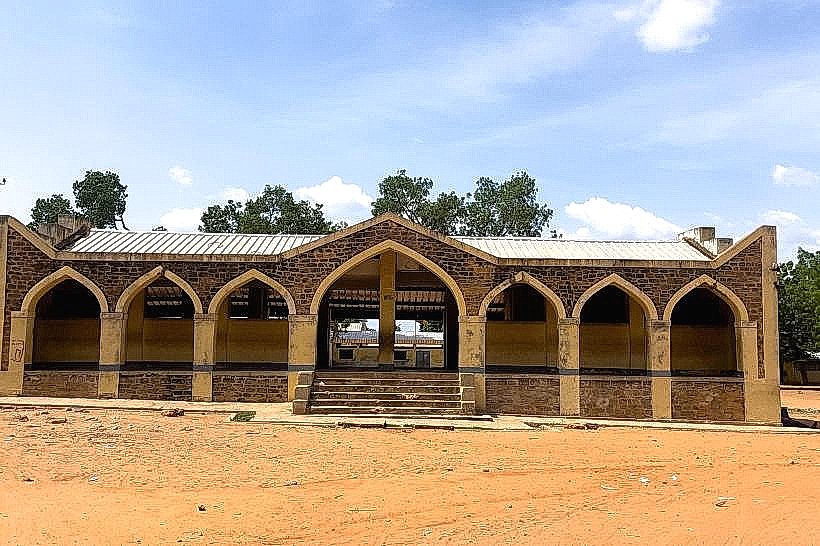
The palace showcases traditional Sahelian architectural styles, characterized by rectangular forms, mud-brick walls, and decorative patterns that reflect Fulani aesthetic sensibilities. Its courtyards are open and spacious, often used for public gatherings, festivals, and ceremonies. The main halls are adorned with modest yet symbolic decorations, including local textiles, traditional artifacts, and motifs that emphasize status and heritage. Some sections of the palace are reserved for administrative purposes, while others host cultural events and receptions.
Cultural and Political Significance
The Lamido’s Palace is not only a royal residence but also a center of governance for the Fulani community in Garoua. The Lamido plays a key role in resolving disputes, overseeing traditional customs, and representing the community in regional affairs. The palace grounds are venues for cultural celebrations, religious festivals, and important rites of passage, such as coronations or traditional weddings. Its presence reinforces the continuity of Fulani traditions and the blending of customary authority with modern civic life.
Visitor Experience
While access to the interior may be limited due to its function as a residence and administrative center, visitors can explore the palace grounds and observe the architectural details, courtyards, and outer walls. Photography often captures the geometric patterns and the harmonious integration of the palace with its surroundings. Visiting during public events or festivals offers a unique glimpse into the living traditions of the Fulani people, from music and dance to ceremonial attire and rituals.
Surrounding Area
The Lamido’s Palace is centrally located in Garoua, making it easily accessible and closely connected to other cultural landmarks such as Garoua Mosque, the Central Market, and the Bénoué River. Its position reinforces its role as a hub of both cultural heritage and urban life, allowing visitors to experience northern Cameroonian history and contemporary traditions in a single visit.