Information
City: GarouaCountry: Cameroon
Continent: Africa
Garoua, Cameroon, Africa
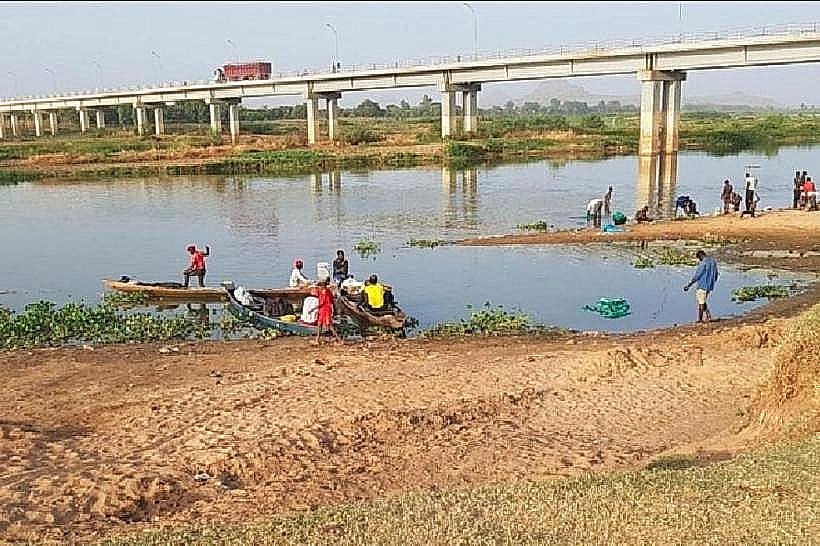
Garoua serves as the capital of the North Region of Cameroon and functions as the primary river port and industrial hub for the country’s northern cotton and textile industries. It is situated on the banks of the Benue River, positioned in a vast savanna basin in the northern Sahelian zone.
Historical Timeline
The city was established as a Fulbe settlement in the 19th century and became a strategic military and trade outpost under German colonial rule in 1901. Primary eras of governance include the German colonial period, the French mandate/trusteeship, and the post-independence era. The most significant architectural and infrastructure development occurred during the presidency of Ahmadou Ahidjo (1960–1982), a native of Garoua. The primary event shaping its current urban form was the mid-20th-century development of the cotton industry and the construction of the international airport.
Demographics & Population
The metropolitan area contains approximately 600,000 residents. The dominant ethnic demographic is the Fulbe (Peul), followed by the Hausa and various northern groups. The median age of the population is 17.9 years.
Urban Layout & Key Districts
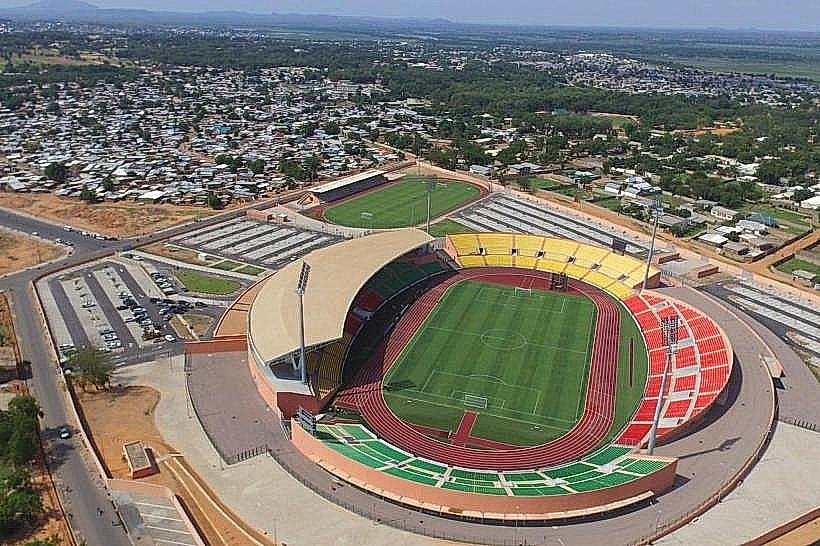
The city is organized around the Benue River and the central administrative zone. Key districts include Plateau (Administrative and upscale residential area) and Roumde-Adjia (site of the major stadium and central markets). The layout is characterized by wide boulevards in the center and traditional dense neighborhoods (Saré) radiating outward.
Top City Landmarks
Roumde Adjia Stadium
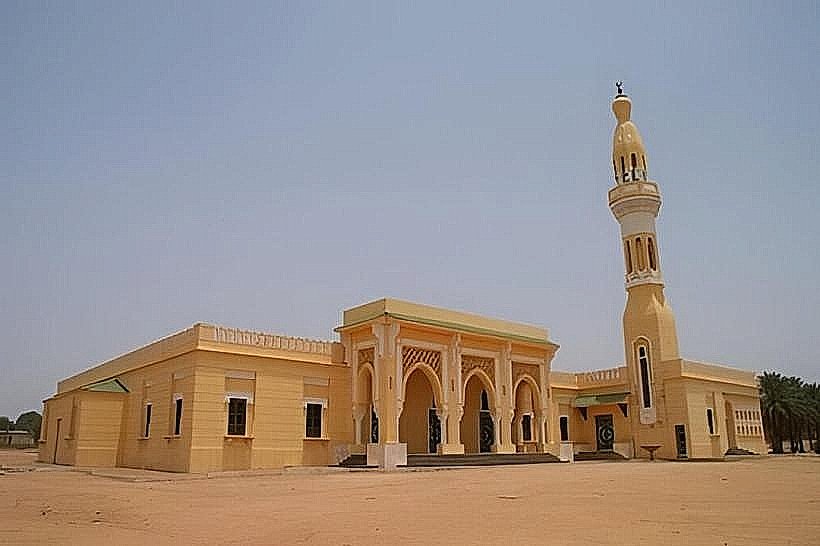
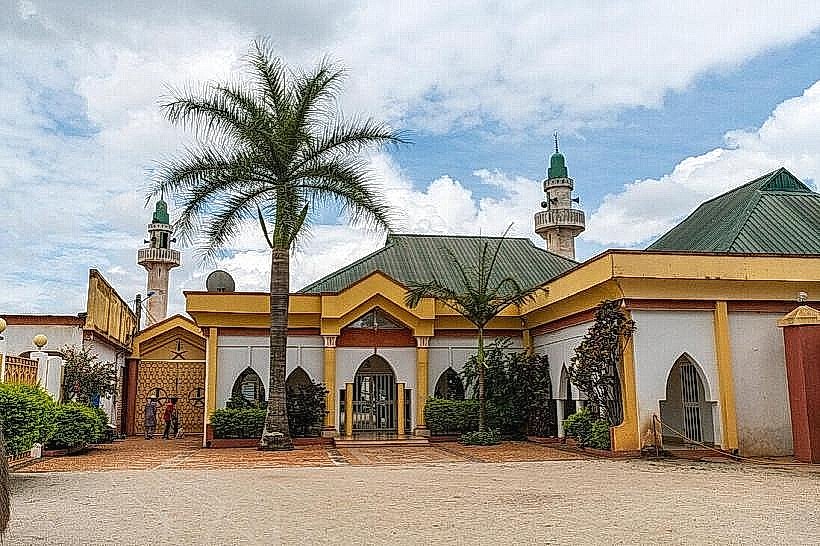
Grande Mosquée de Garoua
The Benue River Port
Lamidat of Garoua (Traditional Palace)
Garoua International Airport
Transportation Network
Movement within the city relies on motorcycle taxis (Benskins) and yellow shared taxis. There is no metro or rail system. Official taxis are yellow. Traffic density is moderate but increases significantly during the cotton harvest season. The city serves as a major node for the Camrail rail-head connection via nearby Ngaoundéré.
Safety & "Red Zones"
The general safety level is moderate. Petty theft occurs in the central market areas. Avoid the peripheral areas bordering the Benue River at night due to poor lighting and limited security. Common risks include "highway bandits" (coupeurs de route) on the inter-city roads leading toward the Nigerian border.
Digital & Financial Infrastructure
Average internet speed is 10-20 Mbps (4G). Main mobile carriers are MTN, Orange, and Camtel. Card acceptance is extremely low; the economy is cash-based (XAF). ATMs are concentrated near the commercial banks in the city center.
Climate & Air Quality
Temperatures range from 22°C to 40°C. The city experiences extreme heat, particularly from March to May. Air quality is severely impacted by the "Harmattan" (Saharan dust) from December to February. There is one short rainy season from July to September.
Culture & Social Norms
Tipping is not mandatory but 500 XAF is appreciated. Social interaction is governed by Islamic traditions; conservative dress is required (shoulders and knees covered). Handshakes are standard among men; men do not typically initiate handshakes with women. Alcohol is restricted to specific licensed venues.
Accommodation Zones
Plateau: Recommended for security, logistical proximity to the airport, and better infrastructure.
Marouaré: Recommended for proximity to the traditional center and the Lamidat.
Local Cost Index
1 Espresso: 1,300 XAF ($2.12)
1 Standard Lunch: 3,500 XAF ($5.72)
1 Metro/Bus Ticket: 250 XAF ($0.41) - (Standard shared taxi fare)
Nearby Day Trips
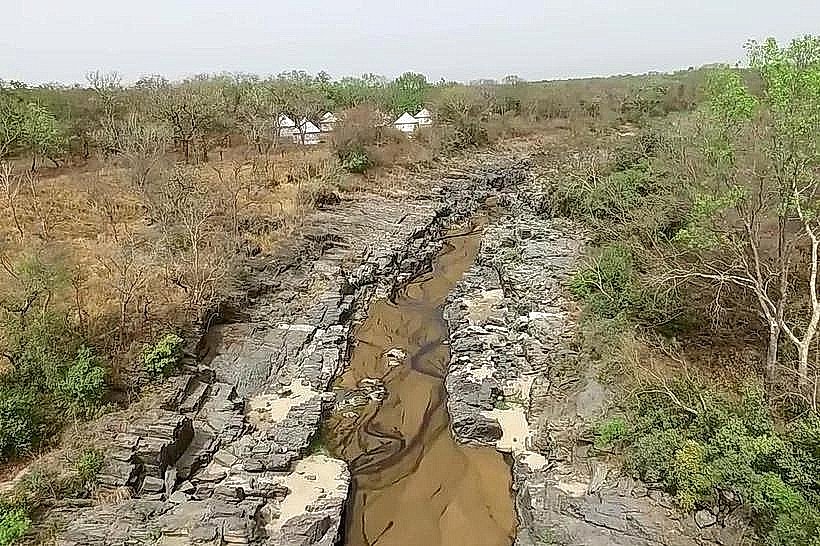
Bénoué National Park (170 km)
Lagdo Dam and Lake (60 km)
Rey Bouba (Traditional Palace) (160 km)
Faro National Park (220 km)
Facts & Legends
A verified historical oddity is that Garoua was the "de facto" second capital of Cameroon for over 20 years, receiving disproportionate infrastructure investment because it was the birthplace of the nation's first president. A local legend concerns the "Protective Spirits" of the Benue River; it is believed that during periods of extreme drought, the traditional Lamido (King) must perform rituals to appease the river spirits to ensure the return of the waters and the safety of the port.