Information
City: LimbeCountry: Cameroon
Continent: Africa
Limbe, Cameroon, Africa
Limbe serves as the principal industrial and seaside center of the South West Region and functions as the headquarters of Cameroon's petroleum refining industry. It is situated on the Ambas Bay in the Gulf of Guinea, positioned at the southern foot of Mount Cameroon.
Historical Timeline
The city was founded as Victoria in 1858 by the British missionary Alfred Saker. Primary eras of governance include the British missionary administration, German colonial rule (1884–1916), British mandate/trusteeship, and the post-1961 period within independent Cameroon. The town was renamed Limbe in 1982. The primary event shaping its current urban form was the 1970s establishment of the SONARA refinery, which shifted the economy from plantation agriculture to industrial energy processing.
Demographics & Population
The total population is approximately 120,000 residents. The top three ethnic demographics are the Bakweri, Bamileke, and various Nigerian expatriate communities (primarily Igbo). The median age is 19.4 years.
Urban Layout & Key Districts
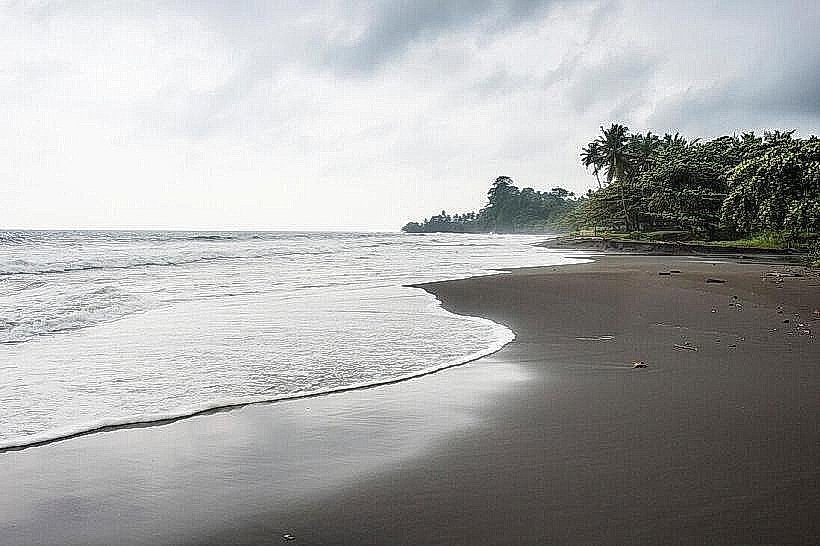
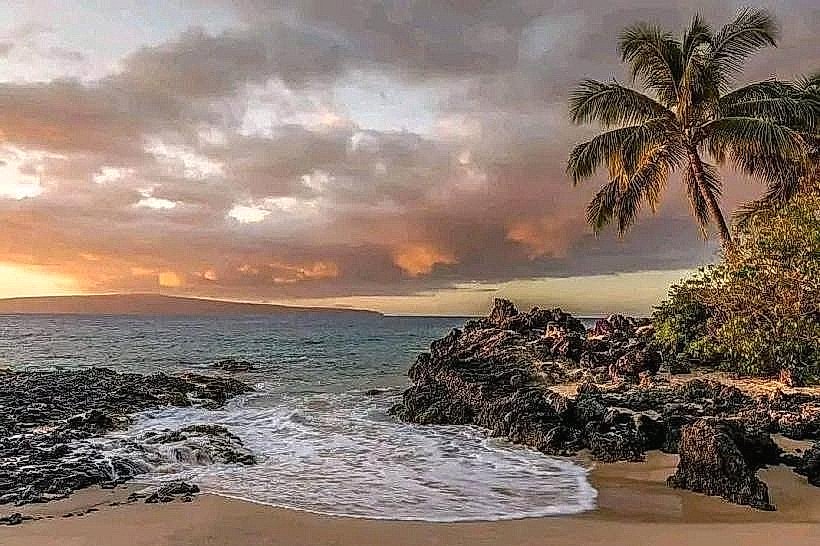
The city is organized along a rugged coastline dominated by volcanic black sand. Key districts include Down Beach (Commercial and Fishing hub) and Bota (Industrial and Administrative district). The city is divided into three administrative communes (Limbe I, II, III) extending from the central bay toward the foothills of Mount Cameroon.
Top City Landmarks
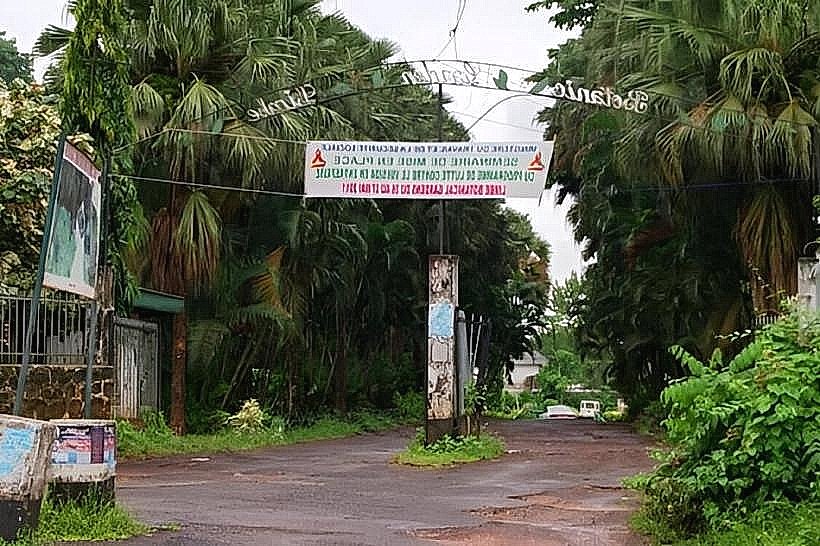
Limbe Botanical Garden (founded 1892)
Bota Island
Down Beach (Black Sand Beach)
SONARA Petroleum Refinery
Transportation Network
Movement within the city relies on motorcycle taxis (Benskins) and yellow shared taxis. There is no metro or rail system. Official taxis are yellow. Traffic density is moderate, with congestion occurring primarily at the Mile 4 junction and the Down Beach market area. The city is the terminal point of the highway from Douala.
Safety & "Red Zones"
The general safety level is low to moderate due to the ongoing Anglophone Crisis in the region. Avoid the Mile 4 and peripheral mountain-side neighborhoods after 18:00. Explicitly avoid travel during "Ghost Town" lockdowns (typically Mondays). Common risks include localized security checkpoints and petty theft in crowded market zones.
Digital & Financial Infrastructure
Average internet speed is 10-20 Mbps (4G). Main mobile carriers are MTN, Orange, and Nexttel. Card acceptance is low, restricted to major hotels. ATMs are available at bank branches (BICEC, Ecobank) in the town center.
Climate & Air Quality
Temperatures range from 23°C to 30°C year-round. Limbe is located near Debundscha, one of the wettest places on earth; the rainy season (June–October) features extreme precipitation. Air quality is generally high due to sea breezes, though localized pollution occurs near the Bota industrial zone.
Culture & Social Norms
Tipping is not mandatory but 500 XAF is appreciated in restaurants. Handshakes are the standard greeting. Dress code is informal; however, the local "Kaba" (traditional gown) is common for women during social events. Public behavior is influenced by both traditional Bakweri customs and British-influenced Anglophone legal/social structures.
Accommodation Zones
Bota / Upper Njoh-Njoh: Recommended for higher security, quiet surroundings, and proximity to the Botanical Garden.
Down Beach: Recommended for logistical access to seafood markets, nightlife, and transport agencies.
Local Cost Index
1 Espresso: 1,200 XAF ($1.96)
1 Standard Lunch: 4,500 XAF ($7.35)
1 Metro/Bus Ticket: 250 XAF ($0.41) - (Standard shared taxi fare)
Nearby Day Trips
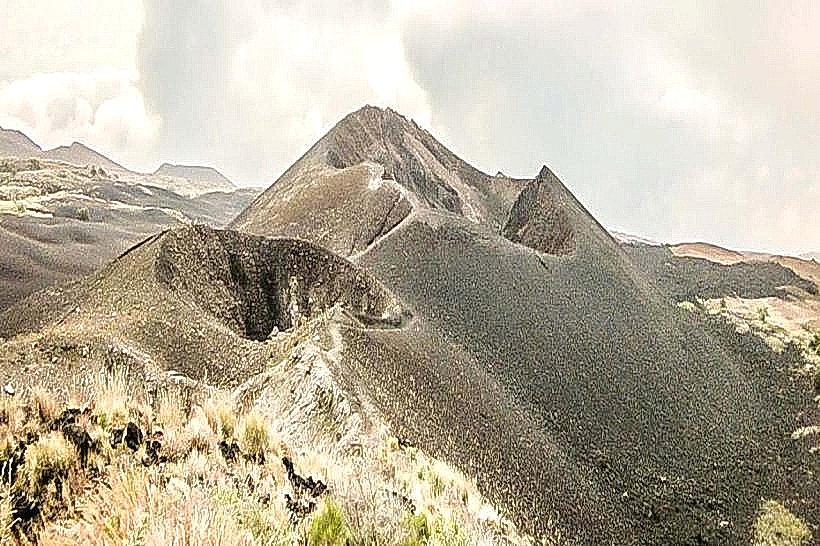
Mount Cameroon (15 km to trailhead)
Debundscha Lake/Lighthouse (15 km)
Idenau Fishing Port (45 km)
Mile 11 / Etisa Beach (11 km)
Facts & Legends
A verified historical oddity is the Limbe Botanical Garden, which was originally established by Germans to acclimatize tropical plants such as cocoa, coffee, and rubber for colonial plantations. Local legend surrounds "Efasa Moto," a half-man, half-stone deity believed to reside on Mount Cameroon; when the volcano erupts (most recently in 1999 and 2000), it is said the lava flows toward the sea in Limbe as a sign of the deity's movement between the peak and the ocean.