Information
City: DoualaCountry: Cameroon
Continent: Africa
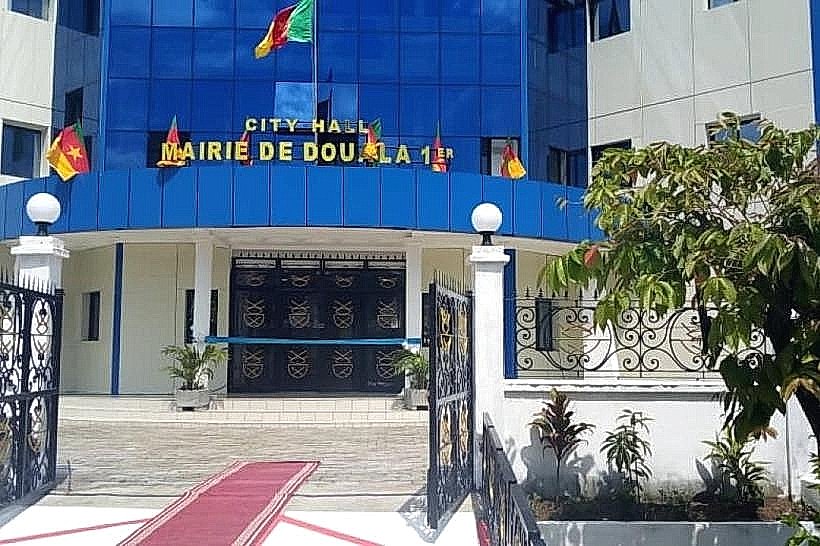
Douala, Cameroon, Africa
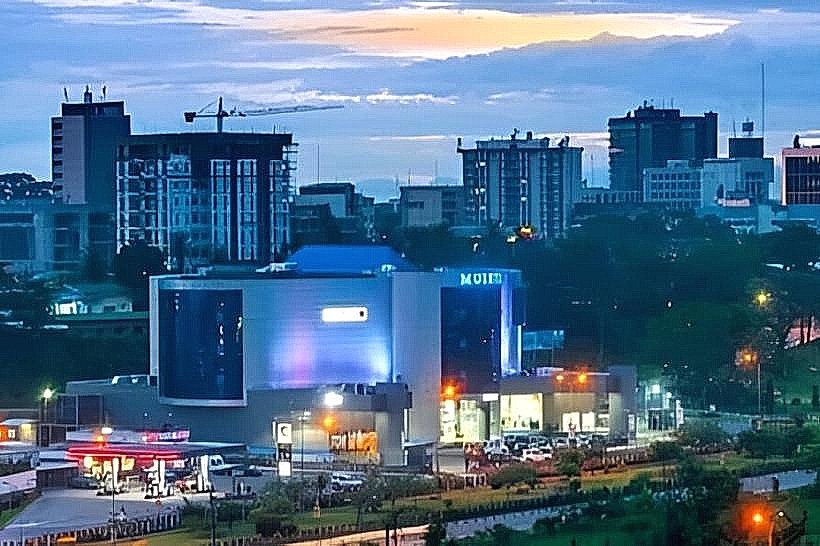
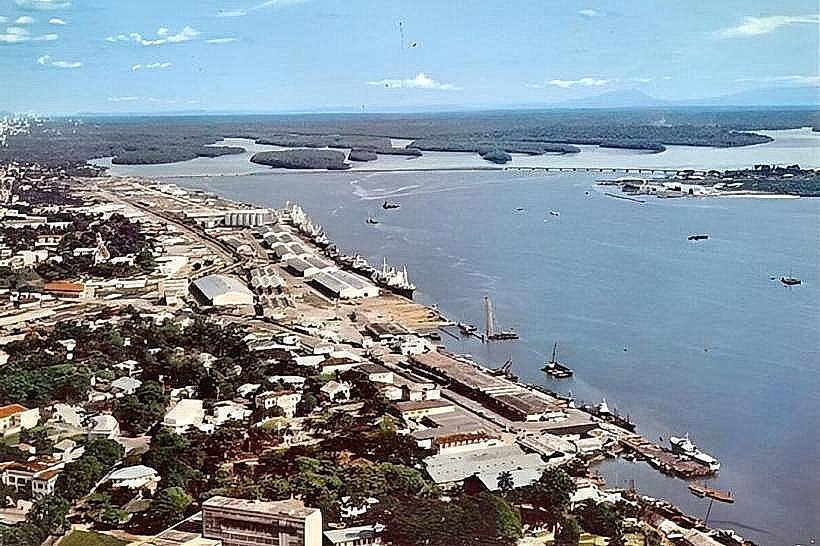
Douala serves as the economic capital of Cameroon and functions as the primary maritime gateway for the Central African sub-region. It is situated on the banks of the Wouri River, approximately 24 kilometers from the Atlantic Ocean.
Historical Timeline
The city was established as a trading post by the Duala people and became a colonial center with the signing of the Germano-Duala treaty in 1884. Primary eras of governance include the German colonial period (as Kamerunstadt), the French mandate after 1919, and the post-independence era from 1960. The most significant architectural and infrastructure reconstruction occurred in the 1980s and again in 2017 with the completion of the second bridge over the Wouri. The primary event shaping its current urban form was the rapid industrialization following the expansion of the Port Autonome de Douala.
Demographics & Population
The metropolitan area contains approximately 3.9 million residents. The top three ethnic demographics are the Duala, Bamiléké, and Bassa. The median age of the population is 18.2 years.
Urban Layout & Key Districts
The city is organized into five main districts on the left bank of the Wouri River and the Bonabéri industrial zone on the right bank. Key districts include Akwa (Commercial and Entertainment center) and Bonanjo (Administrative and Financial district) at the core. The city expands radially from these central points toward the eastern residential peripheries.
Top City Landmarks
Doual'art (Contemporary Art Center)
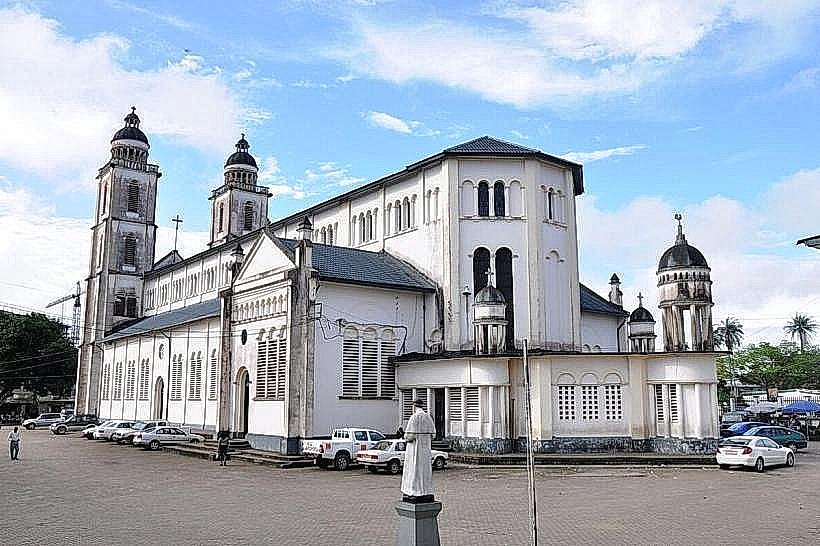
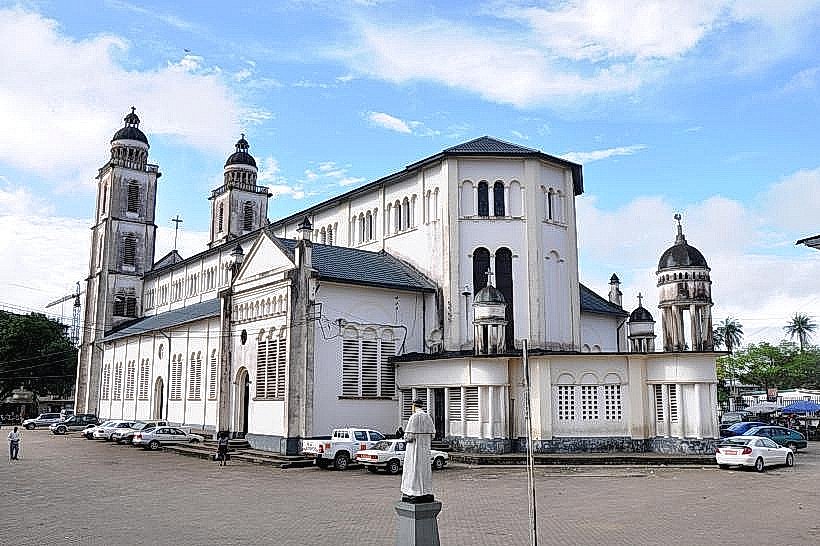
Cathedral of Saints Peter and Paul
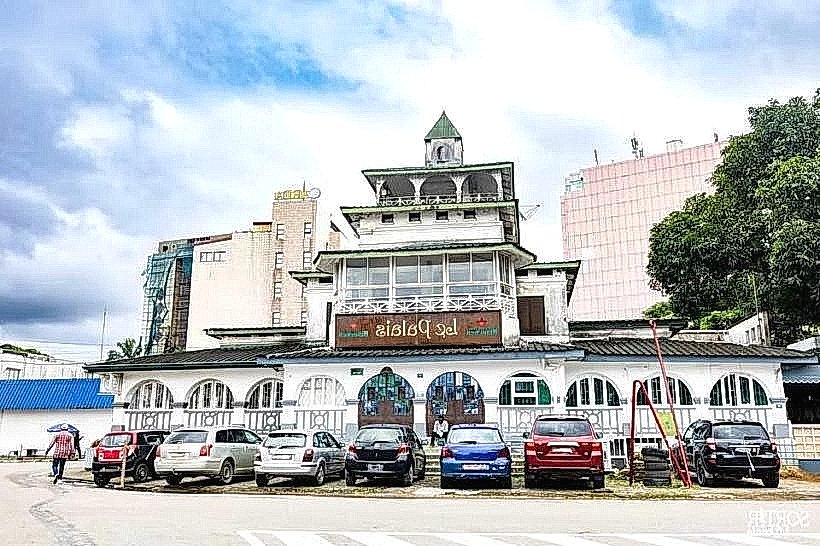
Palace of the Kings Bell (La Pagode)
Maritime Museum of Douala
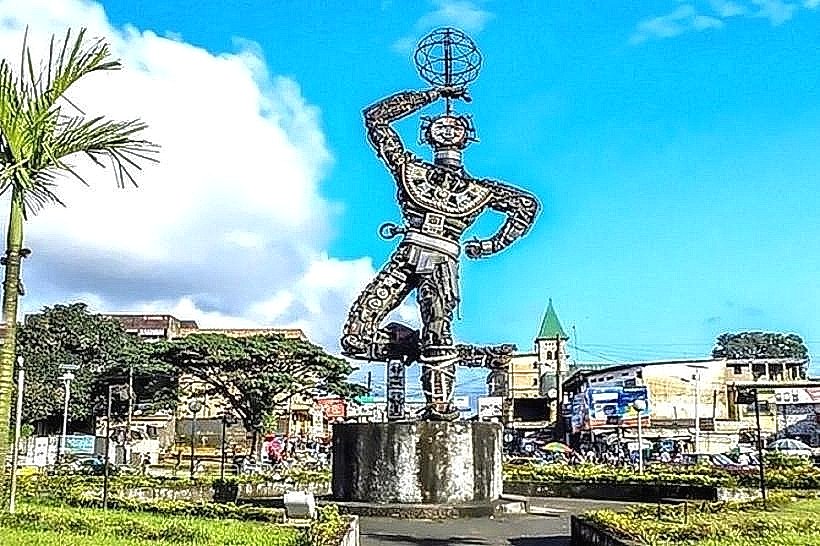
Espace Doual'art/The New Liberty Statue
Transportation Network
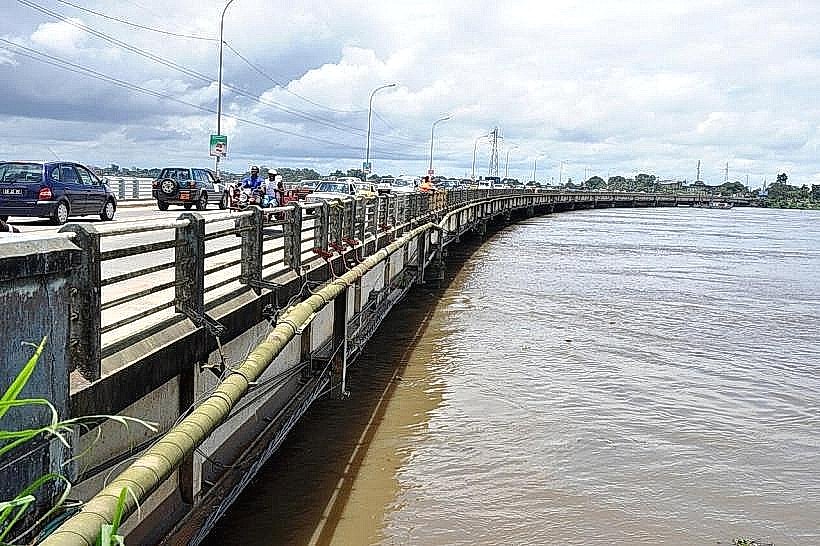
Movement within the city relies on "Taxis Collectifs" (yellow shared taxis) and motorcycle taxis known as "Benskins." The ride-sharing app Yango is the primary digital transport service. Official taxis are yellow. Traffic density is extreme, particularly at the Wouri Bridge crossings and the Rond-Point Deido junction.
Safety & "Red Zones"
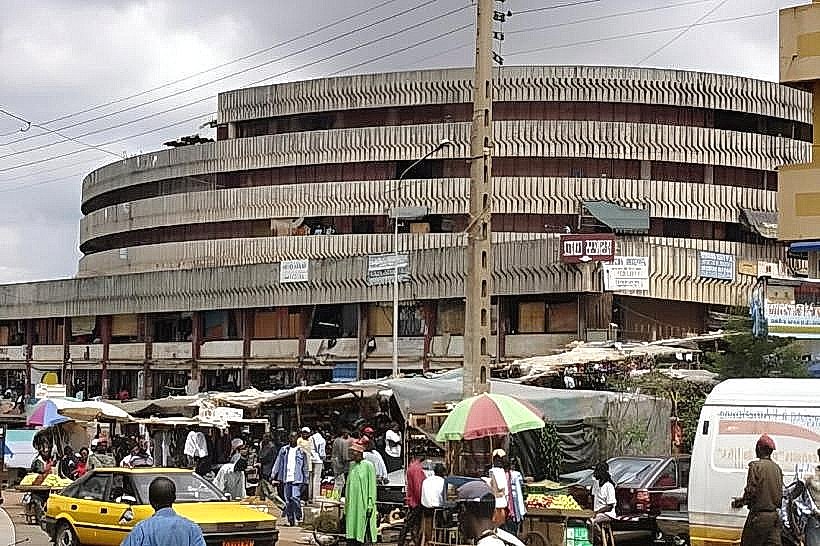
The general safety level is low to moderate. Petty theft and armed robbery occur in high-density areas. Avoid the neighborhoods of New Bell, Bépanda, and Deido at night. Common scams involve "spilled ink" or "distraction" thefts near the Port and Akwa markets.
Digital & Financial Infrastructure
Average internet speed is 15-30 Mbps (4G/LTE). Main mobile carriers are MTN, Orange, and Nexttel. Card acceptance is low; the economy is heavily cash-dependent (XAF). ATMs are concentrated in the Bonanjo and Akwa districts.
Climate & Air Quality
Temperatures range from 23°C to 32°C year-round. Douala is one of the wettest cities in Africa, with a massive monsoon season from June to October. Air quality is poor due to high industrial emissions from Bonabéri and heavy particulate matter from unpaved roads and diesel exhaust.
Culture & Social Norms
Tipping is expected in service industries (approx. 500-1000 XAF). Handshakes are the standard greeting; prolonged eye contact with authority figures is sometimes avoided as a sign of respect. Dress code is informal due to humidity, though professional environments require suits. Smoking is common in outdoor public spaces.
Accommodation Zones
Bonanjo: Recommended for security, logistical proximity to banks, and professional infrastructure.
Bonapriso: Recommended for high-end dining, expat-standard housing, and proximity to the airport.
Local Cost Index
1 Espresso: 1,800 XAF ($2.95)
1 Standard Lunch: 6,000 XAF ($9.80)
1 Metro/Bus Ticket: 250 XAF ($0.41) - (Standard shared taxi fare)
Nearby Day Trips
Kribi Beaches (170 km)
Limbe Botanical Garden (80 km)
Mount Cameroon/Buea (75 km)
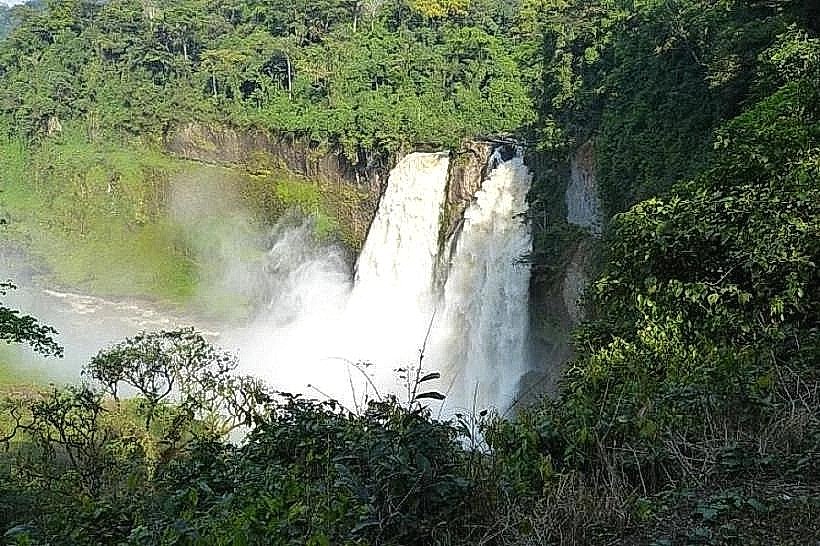
Edea Hydroelectric Dam (70 km)
Facts & Legends
A verified historical oddity is "La Pagode," the palace of the Kings Bell built in 1905, which features unique Chinese-influenced architecture-a rarity in West Africa-resulting from the German colonialists' eclectic aesthetic choices. A local legend concerns the "Ngondo" festival, where traditional priests are said to dive to the bottom of the Wouri River and remain submerged for extended periods to commune with water spirits (Miengu), returning with messages for the Duala people without their robes appearing wet.