Information
Landmark: La PagodeCity: Douala
Country: Cameroon
Continent: Africa
La Pagode, Douala, Cameroon, Africa
La Pagode is one of Douala’s most distinctive historical landmarks, standing near the Wouri River as a symbol of the city’s early urban, commercial, and political life. Built in the early 20th century during the German colonial period, the structure is closely associated with Douala’s traditional kingship and the city’s role as Cameroon’s main port and gateway to the outside world.
Historical Background and Significance
La Pagode was originally constructed as a residence and administrative building linked to King Rudolf Duala Manga Bell, one of the most prominent traditional leaders in Douala’s history. The building later became a focal point of colonial administration and resistance, closely tied to the story of land rights, indigenous authority, and opposition to colonial expropriation. Its history embodies the complex relationship between traditional power, colonial rule, and the emergence of modern Cameroon.
Architecture and Design
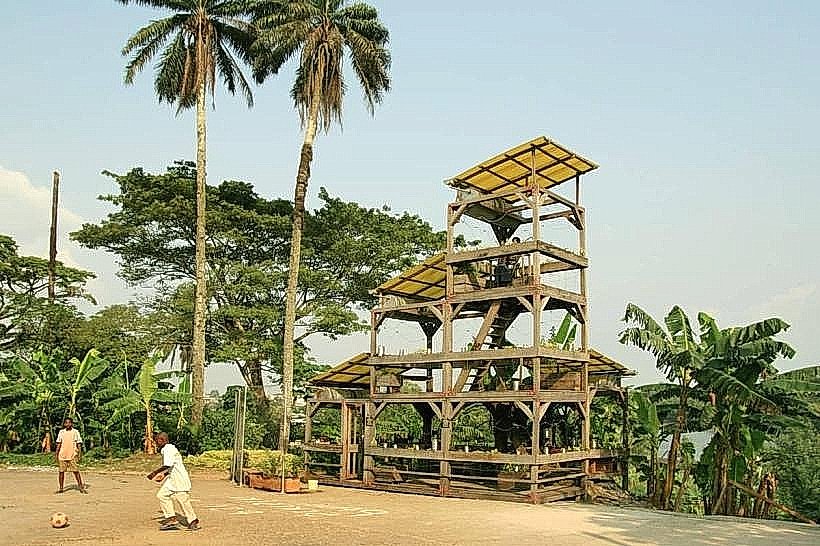
The building’s name comes from its unusual architectural style, inspired by Asian pagodas and adapted to colonial tropical construction. It features a multi-tiered roof, wide verandas, and elevated structures designed for ventilation and protection from heat and humidity. The design blends European colonial engineering with symbolic aesthetics, making it unique within Douala’s architectural landscape.
Cultural Role and Symbolism
La Pagode represents more than architecture; it is a powerful cultural symbol for the Duala people and for Douala as a whole. It stands as a reminder of traditional leadership, resistance, and identity in a city shaped by trade, migration, and external influence. For many locals, it carries emotional weight as a place linked to memory, dignity, and historical struggle.
Surroundings and Atmosphere
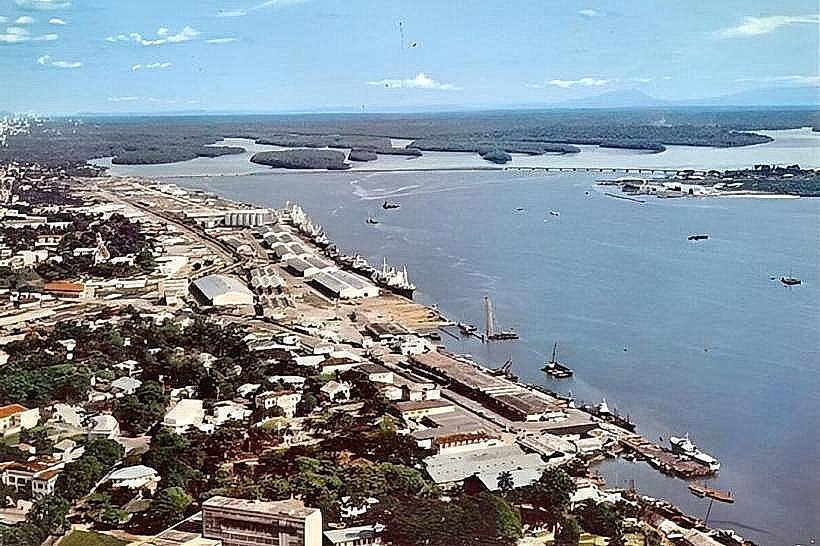
Located near administrative buildings and riverfront areas, La Pagode sits amid the bustle of central Douala. Traffic noise, river activity, and nearby markets contrast with the building’s historic presence. Despite urban pressure, it remains visually striking, its silhouette instantly recognizable against the cityscape.
Visitor Experience
Experiencing La Pagode is primarily visual and contextual. Visitors observe the exterior, study its form, and reflect on its layered history rather than engaging with a conventional museum interior. The experience encourages attention to detail: rooflines, balconies, and the way the structure commands space despite its age and surroundings.
La Pagode stands as one of Douala’s most meaningful heritage sites, embodying the city’s colonial-era architecture, traditional authority, and enduring historical memory within Cameroon’s economic capital.