Information
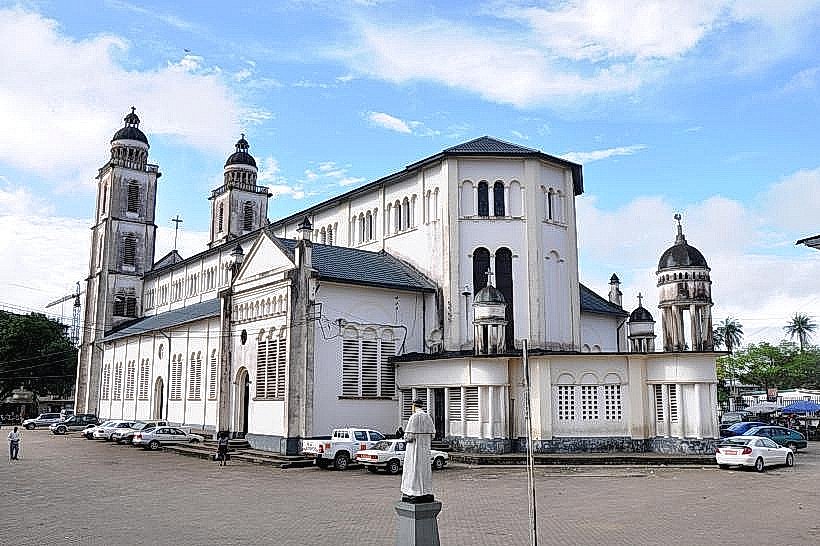
Landmark: Bonanjo Cathedral (Cathedral of Saints Peter and Paul)City: Douala
Country: Cameroon
Continent: Africa
Bonanjo Cathedral (Cathedral of Saints Peter and Paul), Douala, Cameroon, Africa
Setting and First Impressions
Bonanjo Cathedral rises quietly in Douala’s administrative quarter, a few streets back from the busy port roads where horns, engines, and sea air mingle. The area feels orderly and measured compared to the surrounding districts. Palm trees line the avenues, colonial-era buildings sit behind low walls, and the cathedral’s pale façade appears almost suddenly, calm and self-contained amid the city’s constant movement.
History and Spiritual Role
Built during the early twentieth century, the cathedral reflects the period when European missionaries were shaping Douala’s Christian institutions alongside local communities. Over decades, it has become one of the city’s most important Catholic centers, hosting major religious celebrations, state-linked ceremonies, and ordinary weekday masses that draw office workers from nearby ministries. Its long presence gives it a sense of continuity in a city known for rapid change.
Architecture and Interior Atmosphere
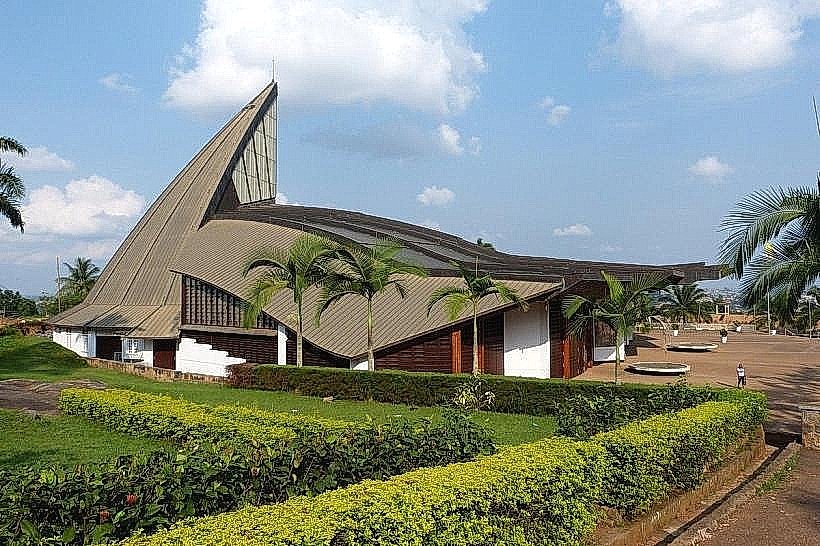
The exterior follows a restrained European ecclesiastical style, with clean lines, balanced proportions, and a modest bell tower rather than dramatic spires. Inside, the mood softens immediately. Light filters through tall windows, landing on wooden pews polished by years of use. The altar is simple, the walls uncluttered, and the air often carries a faint mix of incense and warm dust. On quieter afternoons, footsteps echo gently, and the space feels contemplative rather than monumental.
Daily Life and Visitor Experience
Bonanjo Cathedral is not a museum-like stop but a living place of worship. Visitors may notice choirs rehearsing, a caretaker arranging flowers, or parishioners slipping in for a brief moment of prayer during lunch breaks. On Sundays, the atmosphere shifts completely-colorful clothing fills the nave, hymns rise with rhythmic intensity, and the building feels alive in a way that reflects Douala’s cultural energy.
Surroundings and Cultural Context
Stepping back outside, the contrast is striking. Government offices, embassies, and banks frame the neighborhood, giving the cathedral a civic as well as spiritual presence. A short walk leads toward Bonanjo’s shaded streets and small cafés, where conversations drift between French, English, and local languages. The cathedral fits naturally into this setting, a steady landmark that anchors the district.
Closing Impression
Bonanjo Cathedral does not impress through grandeur alone. Its strength lies in its balance-quiet architecture, deep-rooted history, and everyday human presence. For visitors, it offers a pause from Douala’s intensity, a place where the city’s past and present sit side by side, unhurried and sincere.