Information
Landmark: Dar Jamai MuseumCity: Meknes
Country: Morocco
Continent: Africa
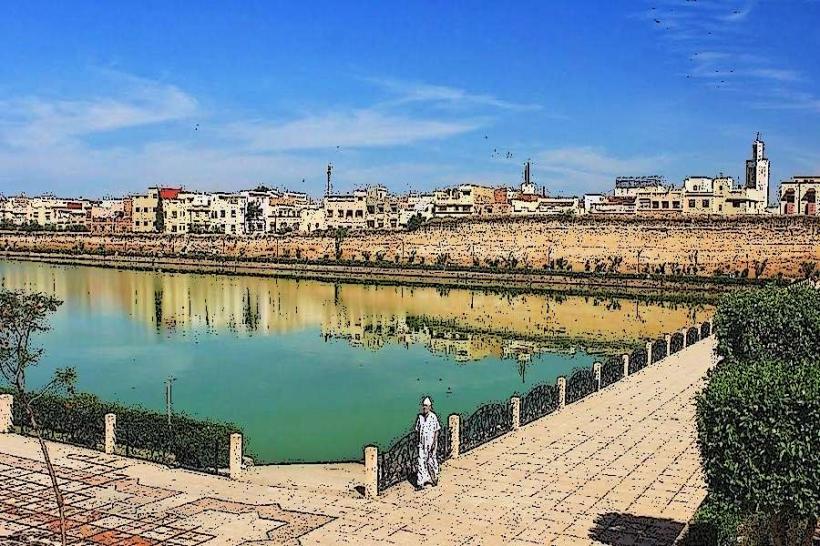
Dar Jamai Museum, Meknes, Morocco, Africa
The Dar Jamai Museum is one of the most significant cultural and historical landmarks in Meknes, Morocco. It offers an extraordinary insight into Morocco’s rich craftsmanship, architecture, and artistic traditions. Situated in a stunning 19th-century palace, the museum highlights the country’s diverse cultural heritage, from pottery and textiles to metalwork and music.
Historical Background
Construction of the Palace:
The Dar Jamai Palace was built in 1882 by the Jamai family, a prominent and influential family in Meknes during the late 19th century. The Jamai family played a vital role in Moroccan politics and governance, and the palace was constructed to reflect their power and status.
After the French Protectorate began in 1912, the palace was repurposed as a military hospital. Later, in 1920, the building was officially recognized as a historical monument and was converted into a museum.
Evolution of the Museum:
Originally, the museum housed collections related to indigenous Moroccan arts and crafts. However, in 2014, the focus shifted to a more specialized exhibition of Morocco’s musical heritage. Today, the Dar Jamai Museum is often regarded as the National Museum of Music, with a diverse array of exhibits representing Moroccan art, craftsmanship, and traditions.
Architectural Design
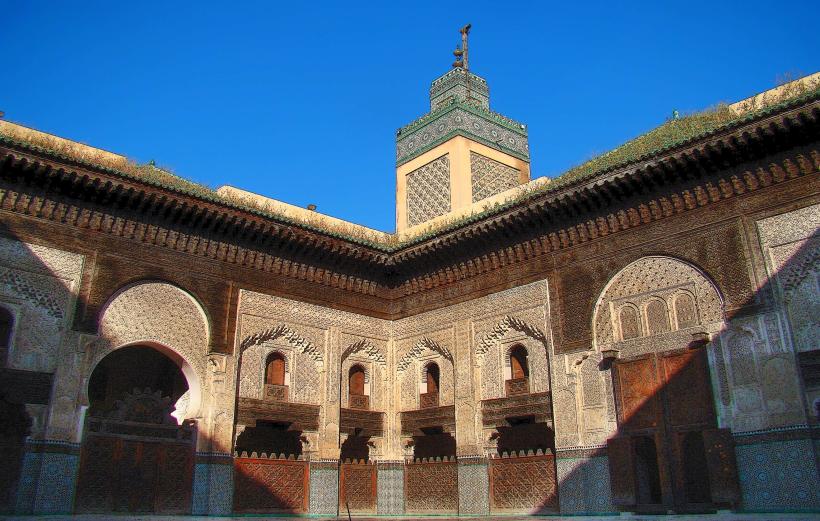
The Dar Jamai Palace itself is a beautiful example of Moroccan architecture. The building features classic Moorish design elements, including intricate tilework, ornate stucco, and wooden carvings. The architecture of the palace has an elegant courtyard design, with a large central open space and various rooms branching off it.
The interior features classic Moroccan craftsmanship, with decorative arched doorways, geometric patterns, and elaborate wooden paneling that highlight the architectural heritage of the era.
Museum Exhibits and Collections
The museum's collections are housed in multiple rooms, each dedicated to different aspects of Morocco's rich cultural heritage.
Ceramics Rooms:
The museum features a significant collection of traditional Moroccan ceramics, particularly from regions like Fez, Tafilalet, and Meknes itself. These ceramics include intricately designed pottery, tiles, and mosaics showcasing Moroccan craftsmanship, such as zellij (decorative tiles) and pottery with stunning colors and patterns.
Woodwork Room:
The woodwork collection is another important feature of the museum. It displays beautifully painted and carved wood furniture, doors, and panels that reflect the high level of craftsmanship in Morocco. Intricate latticework and wooden screens are typical examples of the delicate artistry.
Traditional Costumes & Jewelry:
A section of the museum is dedicated to traditional Moroccan costumes, which provide a glimpse into the clothing styles of both urban and rural Morocco. The collection also includes exquisite jewelry, showcasing the varied designs and styles worn by different regions of Morocco.
Moorish Bath (Hammam):
The museum has a unique display related to Moroccan hammams, or public baths, showcasing wooden buckets, copperware, and other tools used in these traditional cleansing rituals. This exhibit provides visitors with insight into Moroccan daily life and culture.
Ironwork Room:
The ironwork exhibit highlights the metalworking skills prevalent in Moroccan culture. It includes a variety of iron items, from decorative objects to tools and weapons, showcasing the fine craftsmanship involved in Moroccan metal arts.
Pottery Rooms:
The museum features an extensive collection of traditional pottery, including pieces from Zerhoun and the Rif mountains. This collection offers a great representation of regional diversity in Moroccan ceramics, with variations in style, design, and technique.
Copperware Room:
Another important section is dedicated to copperware, a key aspect of Moroccan metalwork. The pieces on display include intricate copper items, such as plates, cups, teapots, and decorative objects.
Dining Room & Bride's Room:
The Dining Room offers a glimpse into traditional Moroccan domestic life, with furnishings and utensils used during mealtimes. The Bride's Room provides insight into Moroccan wedding customs, displaying ceremonial clothing, jewelry, and other items associated with weddings in Morocco.
Qobba (Ceremonial Salon):
The Qobba is a ceremonial room that reflects the Makhzen (the royal court) tradition. The room features beautiful decorative details, including tilework, stucco, and woodwork, providing an immersive experience of what a royal or high-ranking Moroccan official’s living space might have looked like.
Arms Room:
The Arms Room features a fascinating collection of historical weapons. This includes a variety of swords, daggers, guns, and armor, reflecting Morocco’s martial heritage and the role of warfare throughout the country’s history.
Music and Cultural Heritage
Since 2014, the museum has been home to the National Museum of Music. The museum’s new focus highlights Moroccan music and its evolution over centuries, with collections of traditional instruments and exhibits dedicated to Moroccan musical heritage.
The museum hosts displays of traditional musical instruments such as ouds, lutes, and drums, and provides educational material related to the role of music in Moroccan culture. The museum also promotes the preservation and appreciation of Moroccan folk music.
Visitor Information
Location:
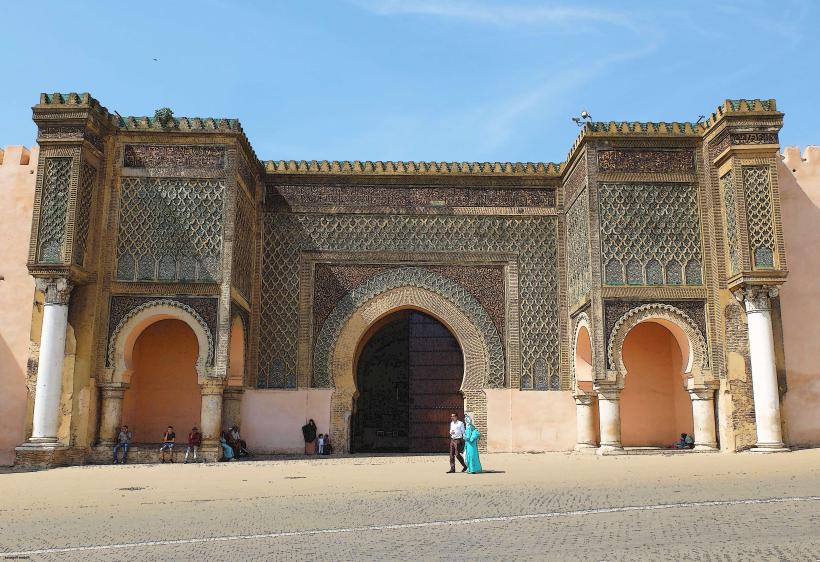
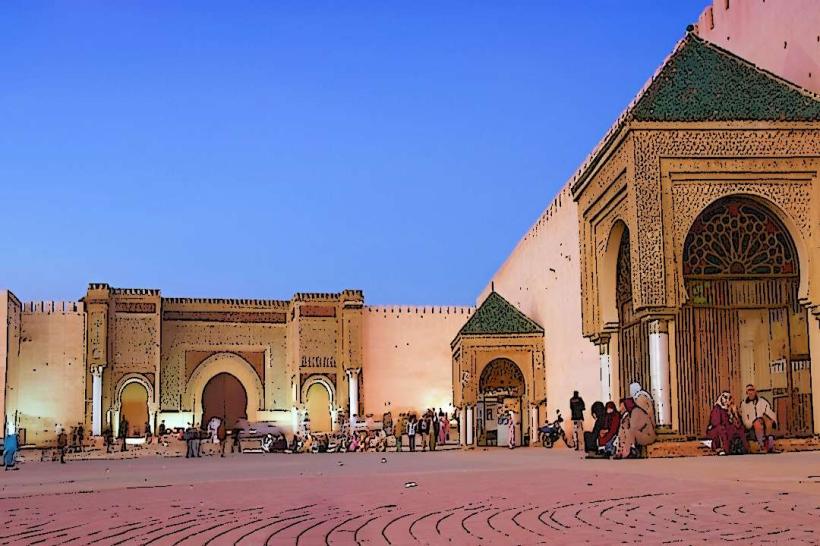
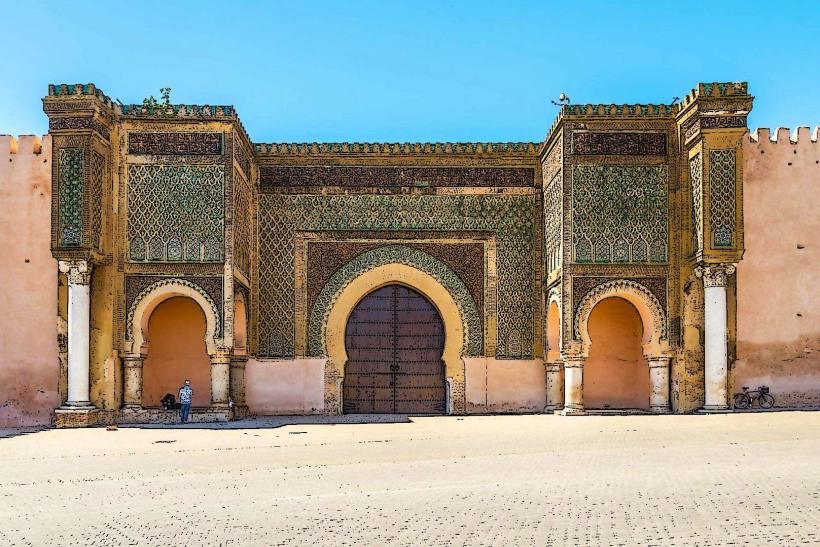
The museum is centrally located in the heart of Meknes, at Place el-Hedim, close to other notable landmarks such as the Bab Mansour Gate and the Place el-Hedim Square.
Opening Hours:
The museum is generally open daily from 10:00 AM to 5:30 PM, but it is closed on Tuesdays.
Entrance Fee:
The entrance fee is approximately 30 MAD (about €3), which makes it an affordable option for those interested in exploring Morocco's cultural and historical heritage.
Guided Tours:
While the museum is open to independent visitors, guided tours are available for those who wish to learn more in-depth about the exhibits. Hiring a local guide can enrich your experience, offering insight into the history and cultural significance of the exhibits.
Photography:
Photography is generally allowed in the museum, but visitors should respect any specific guidelines provided by the museum staff. The intricate details of the architecture and exhibits provide great opportunities for capturing Morocco's craftsmanship.
Nearby Attractions:
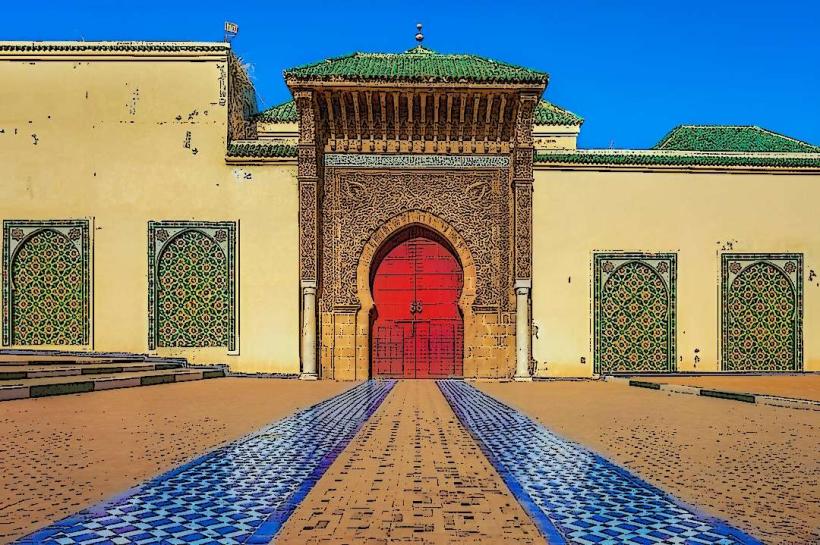
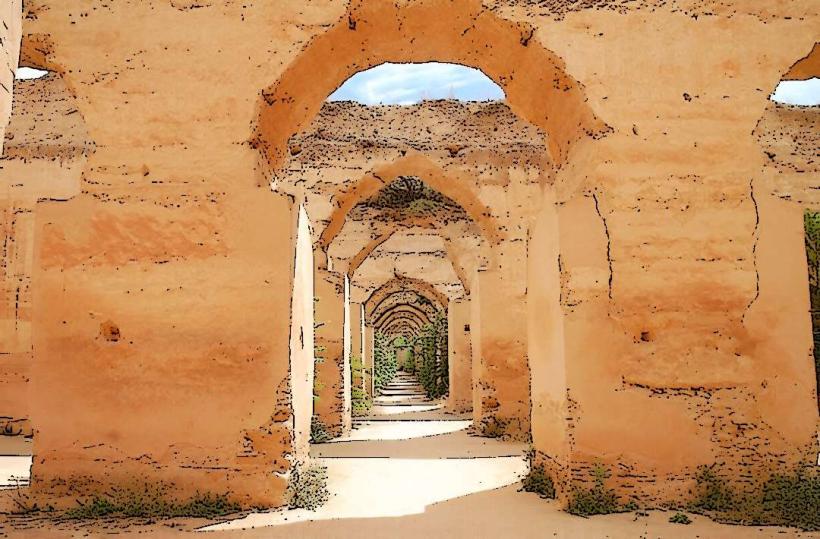
The museum is in a prime location to explore other Meknes attractions, such as Place el-Hedim, the Bab Mansour Gate, and the Mausoleum of Moulay Ismail. The Royal Stables and Heri es-Souani are also nearby and make for excellent additions to your visit.
Conclusion
The Dar Jamai Museum is a must-see for anyone visiting Meknes. Its rich collection of traditional Moroccan crafts, art, and musical heritage offers a comprehensive look at the country's vibrant culture. Whether you're interested in Moorish architecture, traditional art, or Moroccan history, the museum provides an engaging and educational experience. The Dar Jamai Museum is an essential stop for anyone wanting to understand the artistry and cultural traditions that define Meknes and Morocco.