Information
Landmark: Darling HarbourCity: Sydney
Country: Australia
Continent: Australia
Darling Harbour, Sydney, Australia, Australia
Darling Harbour is a waterside precinct located west of the Sydney central business district in Sydney, Australia. It functions as a mixed-use area featuring entertainment, cultural institutions, and public spaces.
Visual Characteristics
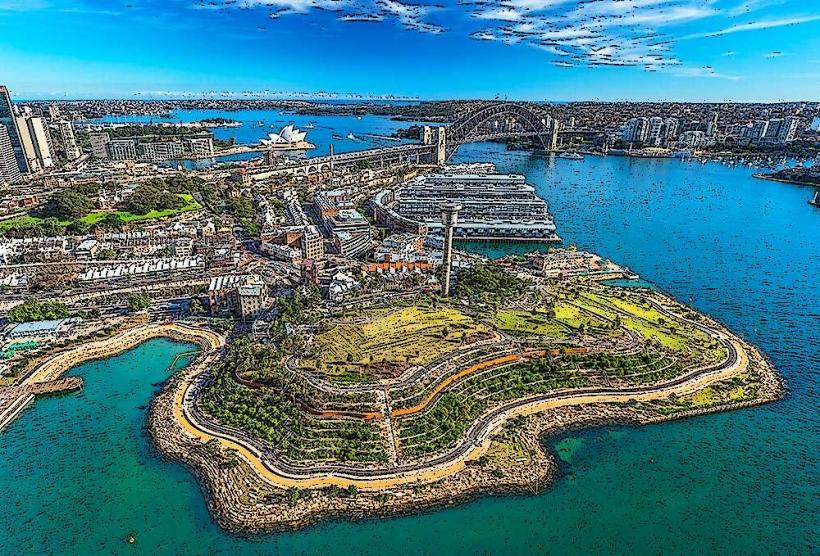
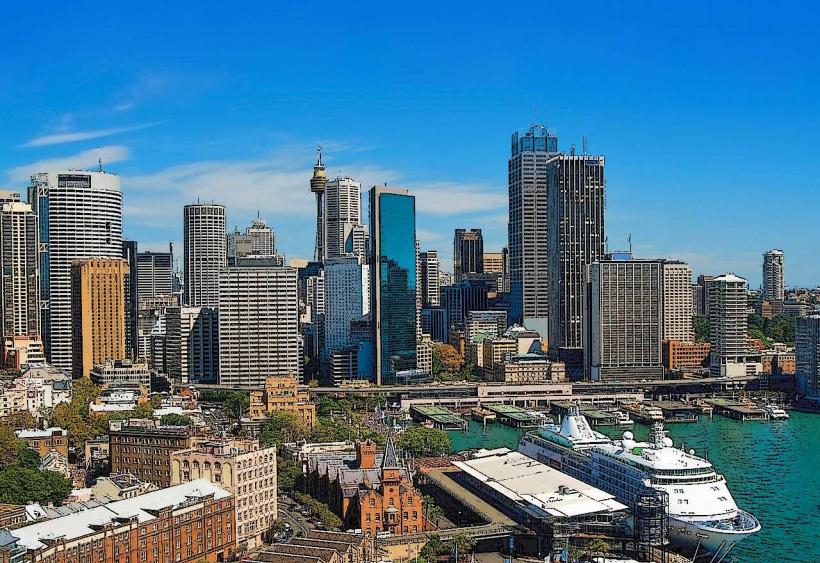
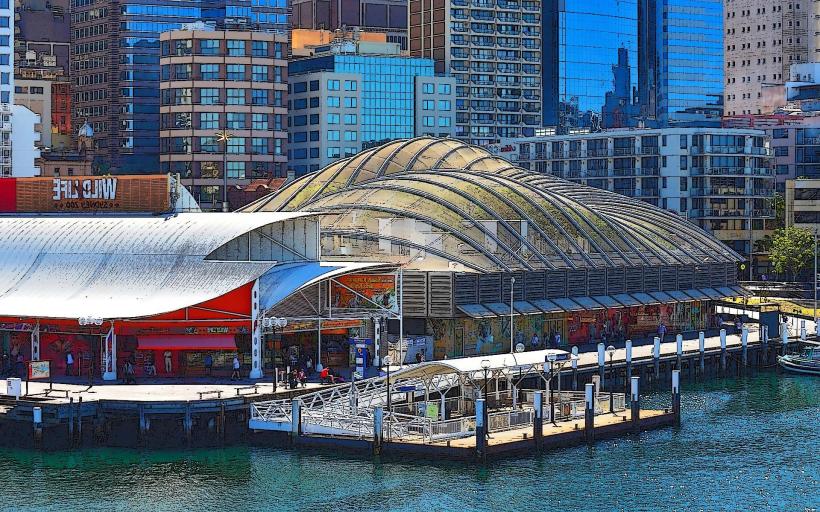
The harbour itself is an inlet of Port Jackson, characterized by its calm waters. The surrounding precinct is a mix of modern architecture, including glass and steel structures, alongside some older brick buildings. Public spaces feature paved walkways, grassy areas, and significant water features like fountains. The dominant colors are the blue of the water, the grey and white of modern construction, and the green of landscaped areas.
Location & Access Logistics
Darling Harbour is situated approximately 1km west of Sydney's CBD. Access is via Darling Drive and Cockle Bay Road. Parking is available in several multi-story car parks, including the Sydney ICC Car Park and the Darling Quarter Car Park, with rates varying by duration. Public transport options include light rail services (L1 Dulwich Hill Line) with stops at Convention, Exhibition, and Pyrmont Bay. Numerous bus routes terminate or pass through the nearby Central Station, with a 10-15 minute walk to the harbour. Ferry services operate from Circular Quay to Darling Harbour Wharf.
Historical & Ecological Origin
The area was originally a natural cove used by Indigenous Australians. In the colonial era, it became a significant port and industrial area, primarily for shipping and warehousing, from the early 19th century. Redevelopment began in the late 1980s, transforming it into a public leisure and entertainment precinct.
Key Highlights & Activities
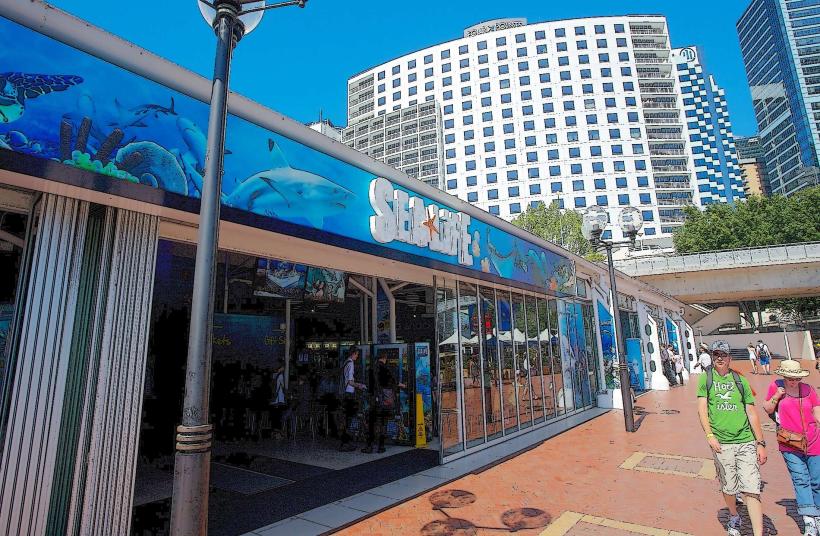
Activities include visiting the Australian National Maritime Museum, exploring the SEA LIFE Sydney Aquarium, and attending events at the Sydney International Convention Centre (ICC). The Darling Quarter playground offers interactive water features. Boat tours of Sydney Harbour depart from the wharves. The pedestrian bridge, Pyrmont Bridge, offers views of the harbour.
Infrastructure & Amenities
Restrooms are available throughout the precinct. Shade is provided by trees in landscaped areas and awnings on some buildings. Cell phone signal (4G/5G) is generally strong. Numerous food and beverage vendors, ranging from casual eateries to fine dining restaurants, are located within Darling Harbour and the adjacent Darling Quarter and King Street Wharf areas.
Best Time to Visit
For photography, early morning or late afternoon offers favorable lighting conditions. The best months for weather are typically September to November (Spring) and March to May (Autumn), with average temperatures ranging from 15°C to 25°C. High tide is not a significant factor for access or activities within the harbour itself.
Facts & Legends
Pyrmont Bridge, which crosses the harbour, was originally a swing bridge, opening to allow tall-masted ships to pass. It was the first electrified tramway bridge in the world when it opened in 1902. A local anecdote suggests that the ghost of a former dockworker is sometimes seen near the Maritime Museum.
Nearby Landmarks
- Sydney CBD (0.5km East)
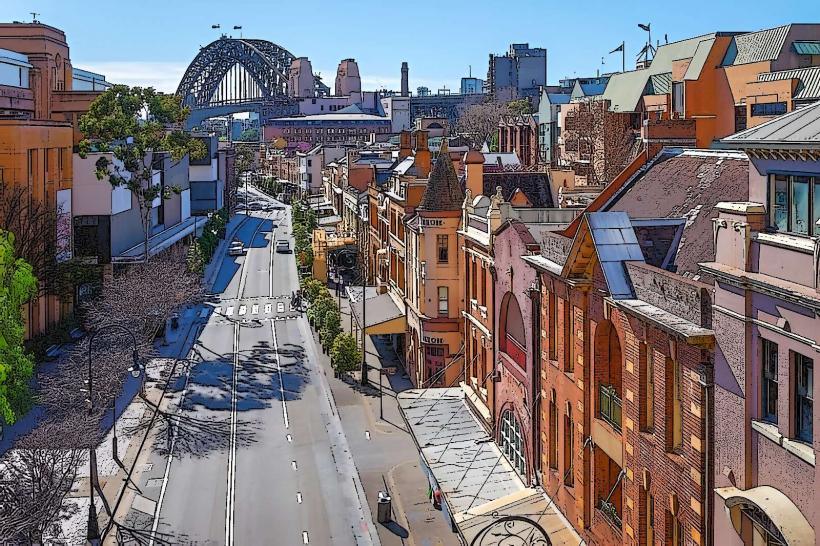
- The Rocks (1.5km Northeast)
- Barangaroo Reserve (1km Northwest)
- Powerhouse Museum (1.2km Southwest)
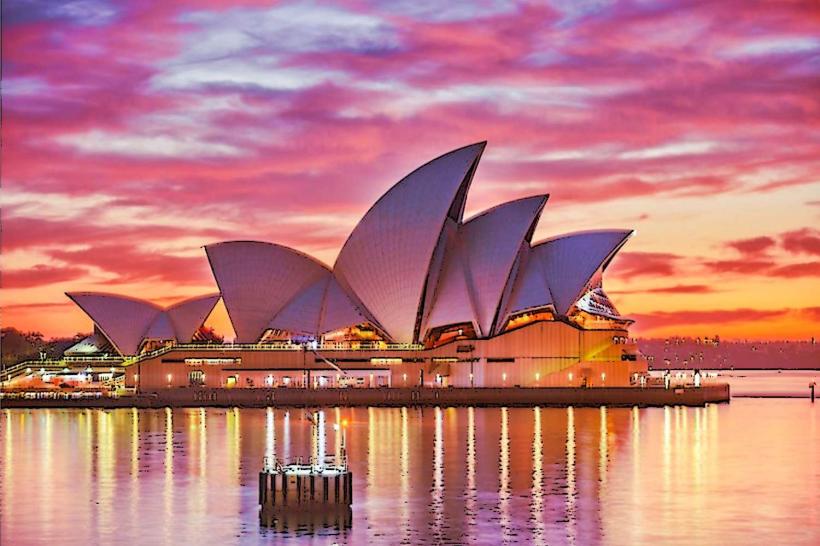
- Sydney Opera House (2km East)