Information
Landmark: El Oued KsarCity: El Oued
Country: Algeria
Continent: Africa
El Oued Ksar, El Oued, Algeria, Africa
Overview
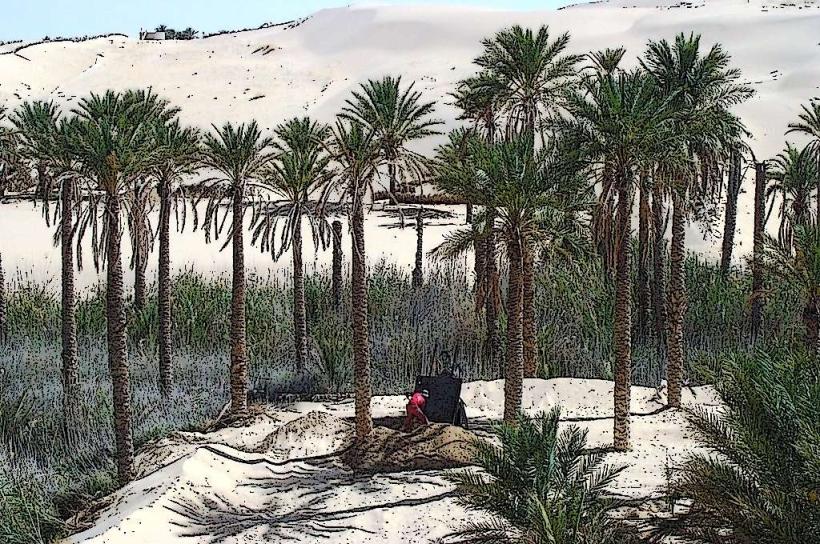
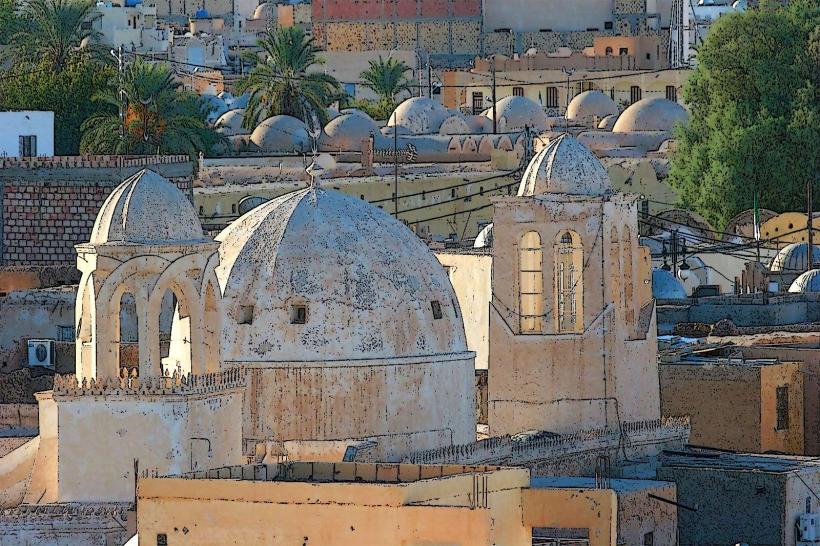
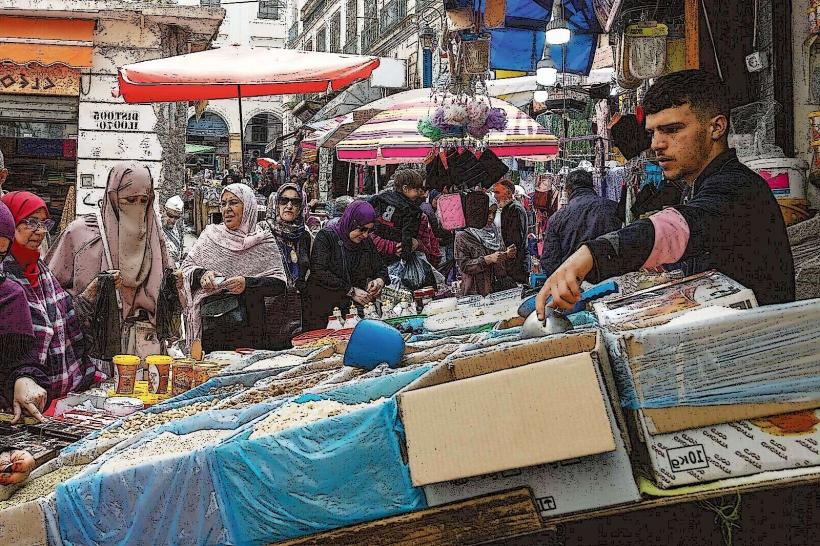
El Oued Ksar is a traditional fortified settlement in Algeria’s El Oued Province, set in the sunbaked northeastern reaches of the Sahara Desert, on top of that the ksar, a walled village of sunbaked mud bricks, carries the weight of the region’s history, culture, and distinctive architecture, more or less El Oued Ksar, with its sunbaked adobe and mudbrick walls, shows how desert dwellers shaped their homes to withstand the relentless heat and dry winds of the Sahara, as well as first, somewhat Believe it or not, El Oued Ksar’s story stretches back centuries, shaped by Arab and Berber traditions and the constant fight to endure the Sahara’s searing heat and endless sand, after that the ksar once thrived as a vital settlement, offering sturdy walls and reliable refuge to locals while bustling with merchants moving goods along the trans-Saharan trade routes.One, simultaneously the El Oued Ksar settlement probably goes back several hundred years, to a time when its walls still caught the desert wind.Long ago, Berber and Arab communities built ksars like this to shield themselves from danger, from invading armies to raiding tribes sweeping in under the desert sun, simultaneously the ksar sat in a prime spot along busy trade routes, offering weary caravans a spot to rest before they pushed on across the sun-scorched Sahara.Thanks to its design and prime location, the settlement bustled as a trading hub, where merchants swapped salt, sweet dates, colorful textiles, and hand-shaped pottery, moreover number two, under certain circumstances Because it sat at the crossroads of key trade routes, El Oued Ksar grew into a bustling hub, where merchants haggled over spices and fabrics in the dusty afternoon heat, besides caravans wound through the region’s dusty roads, carrying spices, fabrics, and ideas from far-off places, slightly Truthfully, Number two, after that the architecture of El Oued Ksar stands out as one of its defining treasures, with sun-baked walls glowing softly under the desert light.The ksar is a walled village built to shield its people from sandstorms, scorching heat, and any danger that might come through its narrow gates, consequently the architecture here mirrors that of Saharan towns, especially in Algeria, with sun-baked walls the color of warm clay.One, likewise in El Oued Ksar, most buildings rise from sun‑baked mudbrick and smooth adobe, their walls warm to the touch under the afternoon sun.In the desert, these materials are easy to find, and they do a great job of keeping heat out by day and holding warmth at night, in conjunction with thick building walls trap the heat on icy desert nights and shut it out when the sun blazes, so inside stays comfortable.The ksar’s domed roofs trap heat in winter and keep rooms cool in summer, shielding the buildings from the desert’s fierce temperature swings, subsequently the domes work hard, shielding the homes from wind and rain, and they give the village a bold, unmistakable silhouette against the sky.In a way, Number two, simultaneously like many vintage ksars, El Oued Ksar is a maze of narrow, twisting lanes, where the walls seem to lean in close, serving more than one purpose.They cast cool shade, block the biting wind, and help guard the village from would‑be invaders, in conjunction with tall defensive walls ring the ksar, with watchtowers jutting up at the corners so people can scan the horizon for danger and guard their home.Three, what’s more in El Oued Ksar, homes cluster around a central courtyard, where sunlit walls enclose a quiet, shared space, partially The courtyards sit at the heart of family life, where people cook, talk, and share meals, and in some homes, a goat might wander through, also the ksar’s shared spaces bring people together, whether they’re chatting in the shaded courtyard or standing guard at the gate, strengthening bonds that protect and unite them.Number four, alternatively like many ksars in the region, El Oued Ksar places its mosques and other religious buildings at the heart of the community, their whitewashed walls catching the desert sun.The mosque often stands at the village’s center of life, where neighbors pray under its cool stone arches, children learn their lessons, and friends gather to share news, in turn three.Even in the blistering heat of the desert, the people of El Oued Ksar have long fed themselves through farming and clever water systems, channeling precious drops through narrow, sun-baked canals, simultaneously first, maybe The khettara system, an ancient network of underground channels, carries cool, hidden water from deep aquifers to the fields above, on top of that this system delivers water to crops like dates, olives, and luminous, sun-heavy citrus.The khettara system also shields the water from the desert’s searing heat, so it stays cool-like a clay jar in the shade-and ready for the fields, furthermore number two.As it happens, In this region, date palms dominate the fields, their tall fronds swaying in the dry, warm breeze, simultaneously el Oued is known for its sweet, golden dates, a prized crop that plays a large role in the local economy, partially Farmers grow these dates, sell them in the local market, and ship them off to other regions, where they might end up in a sunlit stall or a packed crate, simultaneously date palms thrive in the oasis heat, and the sweet, amber fruit gathered in El Oued remains a staple on local tables.Number three stood alone, a slight mark on the page like a pebble on smooth sand, along with alongside crop production, raising livestock plays a major role in the economy-think herds of cattle grazing under a wide, pale sky.People often raise goats, camels, and sheep for their milk, meat, and wool, like the warm, lanolin-rich fleece from a freshly sheared sheep, simultaneously these animals thrive in the harsh desert, moving easily across warm sand, and they’re essential to keeping the region’s way of life in balance.Number four, as a result in El Oued Ksar, people live in a way that keeps the Saharan community’s vintage values alive, from shared evening tea under the date palms to the stories passed quietly between generations.One, consequently in the ksar, family sits at the heart of daily life-sharing bread, stories, and the day’s modest victories, sort of Extended families often share a single home or gather daily around the same sunlit courtyard, where meals, chores, and laughter knit them closely together, as a result in this society, the tribal structure grows from shared heritage, where bloodlines matter and everyone carries a part of the work-like cousins gathering to repair a neighbor’s roof.Number two, and islamic traditions run deep in the community’s daily life, from the call to prayer echoing at dawn to the shared meals during Ramadan.In El Oued Ksar, daily prayers, festive gatherings for Eid al-Fitr and Eid al-Adha, and the month-long swift of Ramadan weave together the heart of community life, likewise the region embraces its traditions through lively music, spirited dances, and intricate handicrafts-pottery warm from the kiln, richly woven carpets, and finely stitched embroidery.These cultural elements shape the ksar’s identity and carry its heritage, like the worn patterns carved into a wooden doorway, along with number five, mildly El Oued Ksar still stands as a striking glimpse into traditional Saharan life, with mud-brick walls that glow red at sunset, but today it’s grappling with a host of modern pressures, in conjunction with first, to some extent Like much of the Sahara, the ksar now faces a growing threat from climate change, as hotter winds and longer dry seasons strain its ability to endure, then the region is struggling with water running low, hotter days, and deserts slowly creeping across the land.If I’m being honest, People are working to protect traditional farming methods, like the khettara irrigation channels that carry cool water through the desert, so El Oued can keep thriving, along with number two.More and more people are eager to protect El Oued Ksar’s cultural and architectural heritage, from its sun-baked sandstone walls to the narrow alleys that wind like ribbons through the historic quarter, then to help the region hold on to its identity, local groups are running projects to protect and restore its traditions-like preserving the heritage stone market where vendors still call out in the early morning.
Author: Tourist Landmarks
Date: 2025-09-20