Information
Landmark: Mount ManengoubaCity: Nkongsamba
Country: Cameroon
Continent: Africa
Mount Manengouba, Nkongsamba, Cameroon, Africa
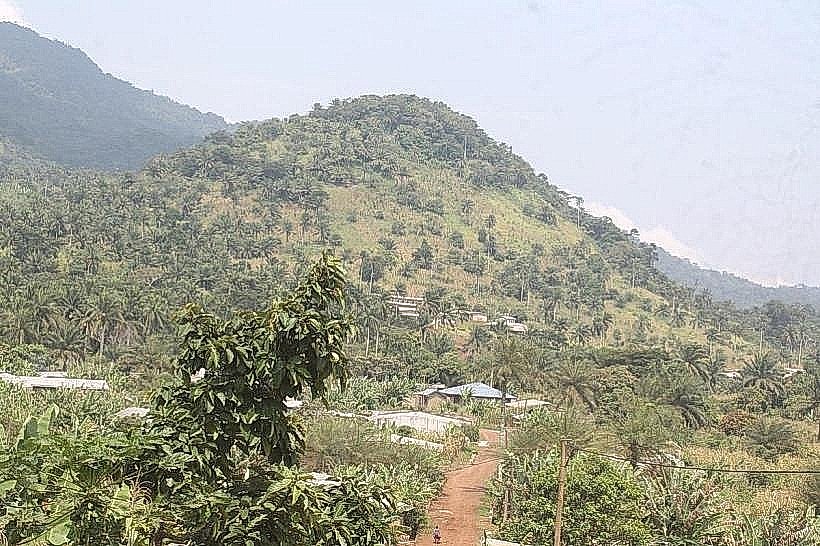
Mount Manengouba rises quietly in western Cameroon, a broad volcanic massif that feels remote, cool, and contemplative compared to the country’s better-known peaks. Located in the Littoral Region, between the towns of Nkongsamba and Loum, it forms part of the Cameroon Volcanic Line and offers a landscape shaped more by silence and space than by drama.
Geographic Setting and Formation
Manengouba is a shield volcano, wide rather than sharply pointed, with gentle slopes that stretch outward for kilometres. Its highest point reaches around 2,400 metres above sea level, enough to noticeably change the air, the vegetation, and the rhythm of life as one ascends. The volcano is long dormant, its last eruptions dating back thousands of years, leaving behind a stable but clearly volcanic terrain of dark soils, lava fields, and crater formations.
The Twin Crater Lakes
The mountain’s defining feature is its double crater, locally known as the Male and Female lakes. These two circular lakes sit close to each other inside a broad volcanic depression, each with a distinct character.
The Male Lake is deeper, darker, and steeper at the edges, its water often appearing almost black under cloudy skies.
The Female Lake is shallower and greener, ringed by grass and low plants, with a softer, more open feel.
Standing between them, visitors often notice how still the air feels, broken only by wind moving through grass or distant bird calls. Local traditions attach symbolic meaning to the lakes, and guides sometimes share quiet stories rather than firm explanations, leaving space for interpretation.
Landscapes and Vegetation
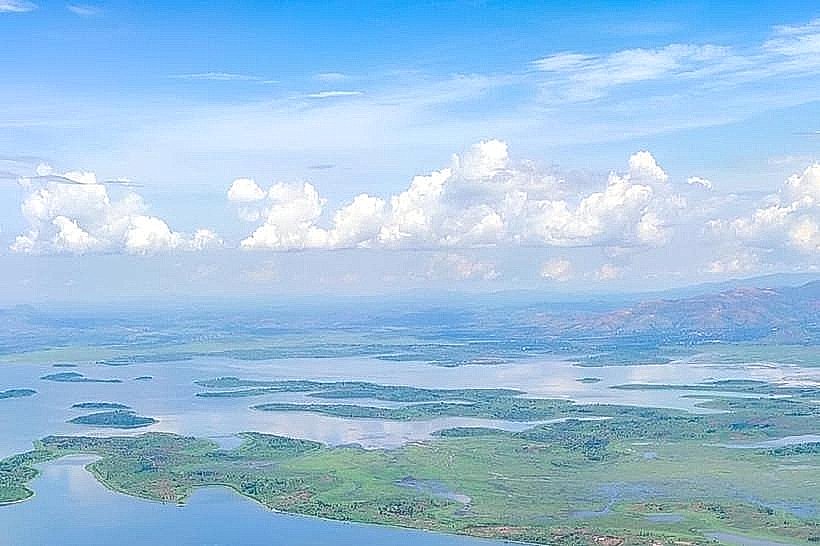
As you climb Mount Manengouba, the landscape shifts gradually. Lower slopes are covered with farmland and scattered forest, where farmers grow crops in rich volcanic soil. Higher up, the terrain opens into montane grasslands, dotted with shrubs and wildflowers. Mist rolls in quickly, especially in the afternoon, softening outlines and muting colors. On clear days, wide views stretch toward the Mungo plains, with layered hills fading into blue distance.
Wildlife and Natural Atmosphere
The mountain is not known for large, easily spotted wildlife, but it supports a range of bird species, insects, and small mammals adapted to cooler highland conditions. The experience is less about sightings and more about atmosphere: the crunch of grass underfoot, the sudden hush when clouds pass overhead, and the sense of being far from busy roads and towns.
Hiking and Visitor Experience
Exploring Mount Manengouba typically involves hiking rather than technical climbing. Trails are informal and often best navigated with a local guide, especially in mist or rain. Walks can take several hours, depending on starting point and pace, with the crater lakes as the natural destination. Weather changes quickly, and the mountain rewards patience rather than speed. Many visitors describe a moment of quiet surprise on reaching the crater, when the land suddenly opens and the lakes appear almost without warning.
Cultural Context
Nearby communities regard Manengouba with a mix of familiarity and respect. It is part of the local mental landscape, not a distant monument but a presence that shapes weather, agriculture, and stories. While not heavily ritualized today, the mountain still carries a sense of quiet significance, reflected in how people speak about it rather than how they advertise it.
Overall Impression
Mount Manengouba is not a spectacle in the loud sense. It does not overwhelm; it invites. Its appeal lies in space, cool air, and subtle contrasts between grass, water, mist, and sky. For travelers who enjoy slow discovery and landscapes that reveal themselves gradually, it offers one of Cameroon’s most understated and memorable highland experiences.