Information
Landmark: Nkongsamba Central MarketCity: Nkongsamba
Country: Cameroon
Continent: Africa
Nkongsamba Central Market, Nkongsamba, Cameroon, Africa
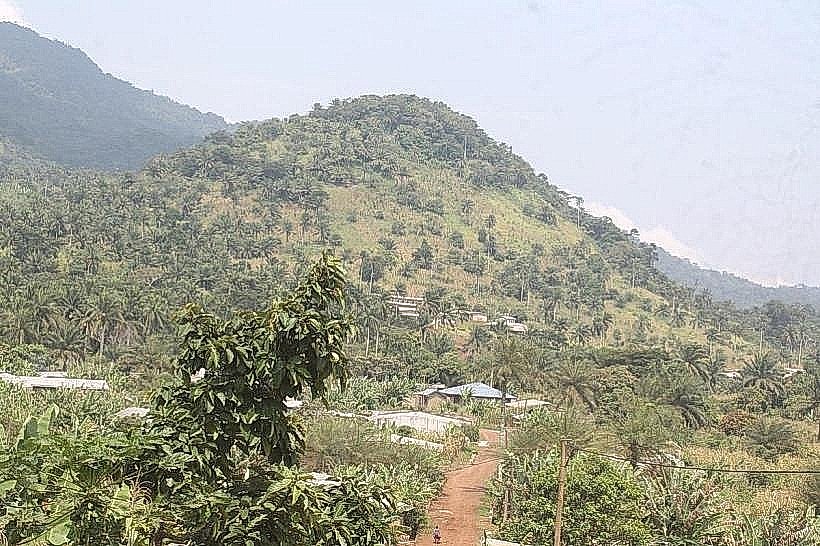
Nkongsamba Central Market sits at the everyday heart of Nkongsamba, a lively highland town in western Cameroon, where Mount Manengouba looms faintly in the distance and trade still follows long-established rhythms. More than a shopping place, the market functions as a social crossroads, a supply hub, and a living record of how the surrounding countryside feeds the town.
Setting and Daily Rhythm
The market occupies a central, slightly sloping area close to main roads linking Nkongsamba with Loum, Melong, and the Mungo plains. From early morning, stalls appear in layers rather than neat rows. Some traders spread goods on low wooden tables, others on mats, others directly from sacks and baskets. By mid-morning the air fills with overlapping sounds: bargaining voices, metal bowls clinking, motorcycle taxis idling nearby. The pace eases slightly after midday, then picks up again toward late afternoon.
Products and Local Trade
Nkongsamba Central Market reflects the region’s fertile volcanic soil. Piles of plantains, cocoyams, yams, and cassava dominate the food sections, often stacked higher than shoulder level. Fresh vegetables arrive daily from nearby farms: green peppers still dusted with soil, bundles of leafy greens tied with twine, tomatoes sorted by size and ripeness.
One corner is usually rich with coffee and cocoa, crops that once made Nkongsamba a colonial economic center. Dried fish, smoked meat, palm oil in reused bottles, ground spices, and fresh peanuts fill the air with layered smells that change as you move from aisle to aisle.
Craft, Clothing, and Everyday Goods
Beyond food, the market supplies daily life. Second-hand clothing hangs from lines or doorframes, while tailors sit behind old sewing machines, ready to adjust garments on the spot. Plastic basins, cooking pots, phone chargers, sandals, soap, and notebooks crowd narrow passages. Nothing feels decorative for tourists; everything has a practical purpose, priced for regular use rather than display.
Human Interactions and Atmosphere
What gives the market its character is not scale but interaction. Vendors greet familiar customers by name, exchange brief news updates, or joke lightly during negotiations. Buyers inspect produce by touch rather than sight alone, squeezing fruit, snapping stems, listening for firmness. Small moments repeat everywhere: a trader fanning flies away with cardboard, a child asleep under a stall, change counted carefully into a folded cloth.
Cultural Role in the Town
Nkongsamba Central Market acts as an informal information network. News travels through it faster than through phones, carried by traders who move between villages and town daily. Prices, weather changes, road conditions, and family updates circulate naturally. On market days, the town feels fuller and louder, as people from surrounding areas arrive not only to trade, but to reconnect.
Overall Impression
Nkongsamba Central Market is not polished or theatrical. Its appeal lies in its honesty and density of life. Every sack, voice, and movement reflects how the region works, eats, and communicates. Spending time there offers a grounded understanding of Nkongsamba itself, not through landmarks or monuments, but through the steady, human exchange that keeps the town alive day after day.