Information
Landmark: Lake MonounCity: Nkongsamba
Country: Cameroon
Continent: Africa
Lake Monoun, Nkongsamba, Cameroon, Africa
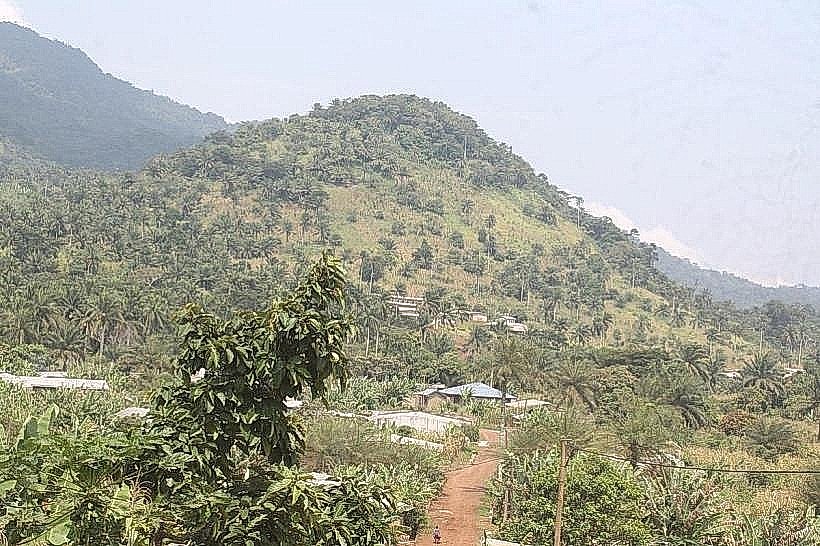
Lake Monoun lies quietly in western Cameroon, near the town of Foumbot, at the edge of the Bamoun Plateau. At first glance it appears calm and unremarkable, a small volcanic lake surrounded by farmland and low hills. Yet beneath its still surface lies one of the most powerful and sobering natural stories in Central Africa, where geology and human life intersected with tragic force.
Geographic and Geological Setting
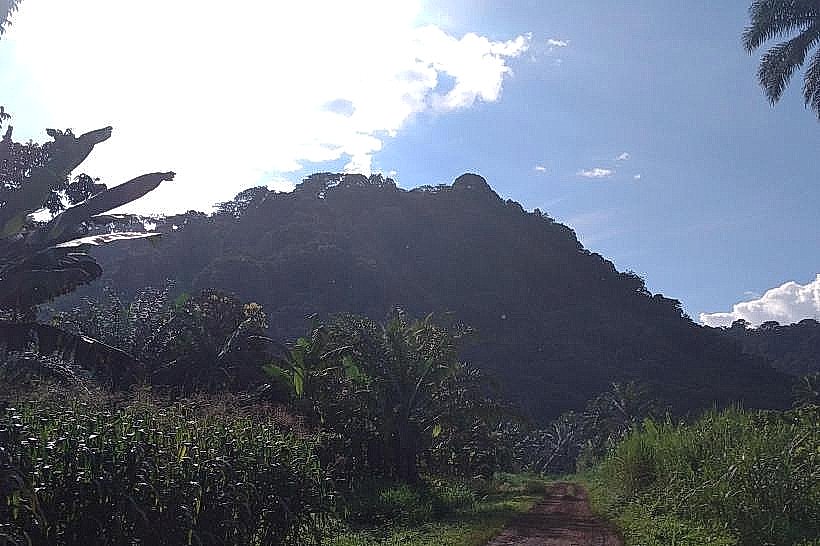
Lake Monoun is a crater lake, formed by ancient volcanic activity along the Cameroon Volcanic Line. It occupies a circular depression, with relatively steep sides and deep waters compared to its surface area. The surrounding landscape is gentle rather than dramatic, shaped by agriculture, dirt roads, and scattered settlements. The lake’s volcanic origin means it is fed not by rivers but by groundwater and rainfall, allowing gases from deep underground to slowly accumulate in its depths.
The 1984 Limnic Eruption
Lake Monoun entered global scientific awareness on 15 August 1984, when it released a sudden cloud of carbon dioxide in a rare natural phenomenon known as a limnic eruption. The invisible gas spilled out of the lake and flowed downhill, displacing oxygen in nearby areas. Within minutes, people and animals in surrounding villages collapsed silently in their homes and fields. By the time the gas dispersed, 37 people had lost their lives.
Unlike floods or eruptions, there was no sound, no warning, and no visible sign of danger. The event reshaped local memory and permanently changed how crater lakes in volcanic regions are studied and monitored worldwide.
Scientific Importance
Following the tragedy, Lake Monoun became a key site for understanding gas-charged lakes. Scientists identified that carbon dioxide had slowly built up at the lake’s bottom, held in place by pressure and temperature layers, until a disturbance caused it to erupt upward. This discovery later helped explain the far larger disaster at nearby Lake Nyos.
As a result, Lake Monoun was equipped with degassing pipes, vertical systems designed to safely release carbon dioxide from deep water in controlled amounts. These installations quietly bubble gas out of the lake, reducing pressure and preventing another sudden release. Today, the lake stands as an early example of how science can intervene to reduce natural risk without altering the landscape dramatically.
Present-Day Atmosphere
Today, Lake Monoun feels calm and restrained. The water is usually still, reflecting the sky and surrounding greenery. There are no crowds, no marked tourist facilities, and little sense of spectacle. The degassing pipes rise subtly from the water, their presence easy to miss unless pointed out. For visitors, the experience is shaped more by awareness than by scenery. Knowing the lake’s history adds weight to its silence.
Relationship with Local Communities
Communities around Lake Monoun continue to live and farm nearby, though with increased understanding of the lake’s behavior. The tragedy remains part of local oral history, spoken about with care rather than fear. The lake is respected, not dramatized. It is neither a recreational site nor a place of avoidance, but a reminder woven into everyday life.
Broader Significance
Lake Monoun is important not for beauty alone, but for what it taught the world about volcanic lakes and invisible natural hazards. Its story changed scientific monitoring practices across Africa and beyond. Standing by its shore, one senses how quiet landscapes can carry deep histories, and how still water can hold lessons far beyond what the eye can see.
Lake Monoun remains a place of reflection, where calm and caution coexist, and where nature’s subtle forces left a lasting imprint on both science and memory.