Information
Landmark: Bamendjin LakeCity: Nkongsamba
Country: Cameroon
Continent: Africa
Bamendjin Lake, Nkongsamba, Cameroon, Africa
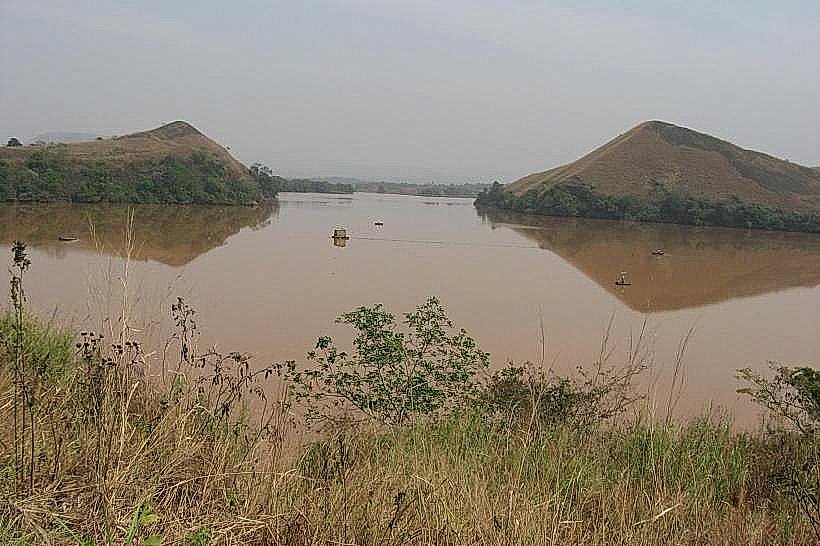
Bamendjin Lake spreads across a wide, quiet basin in Cameroon’s North-West Region, forming one of the country’s largest artificial lakes. Set between rolling highlands and open grassland, it feels expansive rather than dramatic, a landscape shaped as much by engineering as by water, wind, and time.
Creation and Geographic Setting
The lake was formed in the 1970s with the construction of the Bamendjin Dam on the Noun River, a tributary of the Sanaga. The dam was built to regulate water flow and support hydroelectric power generation downstream. When the valley flooded, it created a vast reservoir that now stretches across parts of Bamendjin, Ndop, and surrounding communities, subtly reshaping settlement patterns and land use.
Landscape and Seasonal Change
Bamendjin Lake changes character with the seasons. During the rainy months, the water spreads wide, swallowing low grasslands and turning tree trunks into dark vertical markers in the lake. In the dry season, water levels fall and muddy shorelines emerge, revealing grazing areas and temporary paths. The light is often soft here, especially in the early morning, when mist hovers low and fishermen move quietly across the surface.
Fishing and Daily Life
Fishing is central to life around the lake. Dugout canoes and small wooden boats dot the water, usually worked by one or two people using simple nets or lines. The catch supplies local markets in the Ndop Plain and nearby towns, making the lake an important food source as well as a livelihood. Along the shores, fish are cleaned, smoked, and dried, the smell of wood smoke drifting across the water in the late afternoon.
Birds and Natural Presence
The open water and wetlands attract a wide range of birdlife, especially wading birds and waterfowl. Long-legged birds move slowly through shallow areas, while others circle overhead before settling near reeds. Even without formal protection status, the lake functions as an important informal habitat, its broad, undisturbed stretches offering space and calm.
Communities and Adaptation
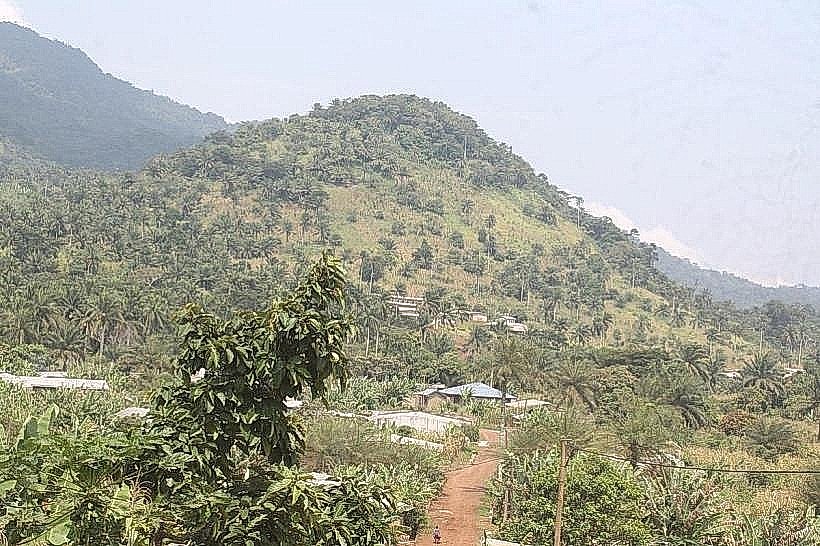
Villages around Bamendjin Lake have adapted to living with shifting water levels. Homes are built on slightly higher ground, and daily routines adjust to seasonal flooding. Paths, fishing spots, and landing areas are known through experience rather than maps. The lake is not treated as a scenic backdrop but as a working environment, woven into everyday survival and routine.
Overall Impression
Bamendjin Lake feels spacious and unhurried. There are no grand viewpoints or built promenades, only water, sky, and steady human activity. Its importance lies in function rather than spectacle, in how it quietly supports life across the Ndop Plain. For visitors, the lake offers a sense of scale and stillness, a reminder of how human-made landscapes can gradually become naturalized, settling into the rhythms of wind, season, and work.